
Ground Cover Plants Canberra
Hardy ground covers that cover bare soil, soften edges and help keep weeds down, all chosen to cope with Canberra conditions. Delivered across Canberra, Queanbeyan, Googong and Jerrabomberra in 2–3 business days. Free delivery on orders over $100.
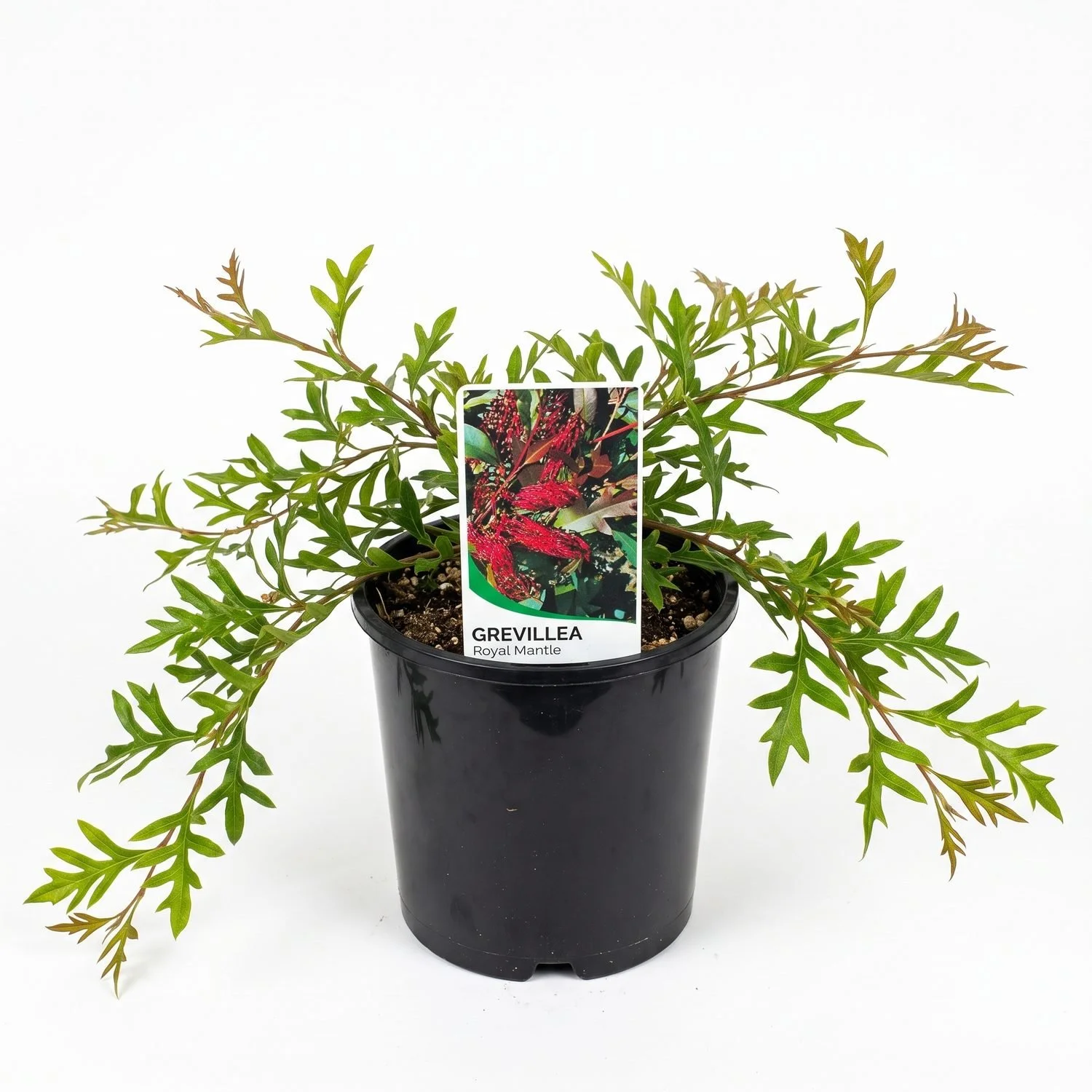
Royal Mantle is a vigorous, carpeting grevillea that quickly forms a dense, weed-suppressing mat of glossy green foliage with coppery-red new growth. Deep red toothbrush flowers appear for much of the year, peaking from late winter through spring, and the honeyeaters love them. It handles frost, drought and even snow, making it one of the best native groundcovers for banks, large beds and spilling over retaining walls in Canberra.
- Mature size: 20-30cm high x 3-5m wide
- Foliage: Glossy green lobed leaves with coppery-red new growth
- Flowers: Deep red toothbrush flowers, late winter to spring and sporadically through the year
- Growth habit: Dense, fast-spreading groundcover
- Position: Full sun to light shade, well-drained soil
- Climate: Frost hardy and drought tolerant once established
- Water needs: Low once established
- Soil: Free-draining, low-phosphorus soil. On heavy Canberra clay, dig in gypsum clay breaker and plant on a slight mound. In pots, use Native Osmocote Potting Mix.
- Feeding: Sensitive to phosphorus, so use a native fertiliser only: Osmocote Native in spring, or Neutrog Bush Tucker as a liquid feed. Avoid general fertilisers and manures.
- Maintenance: Low. Tip prune to keep it dense and trim edges as needed
- Ideal for: Groundcover on banks and large beds, cascading over walls, erosion control and bird-attracting gardens
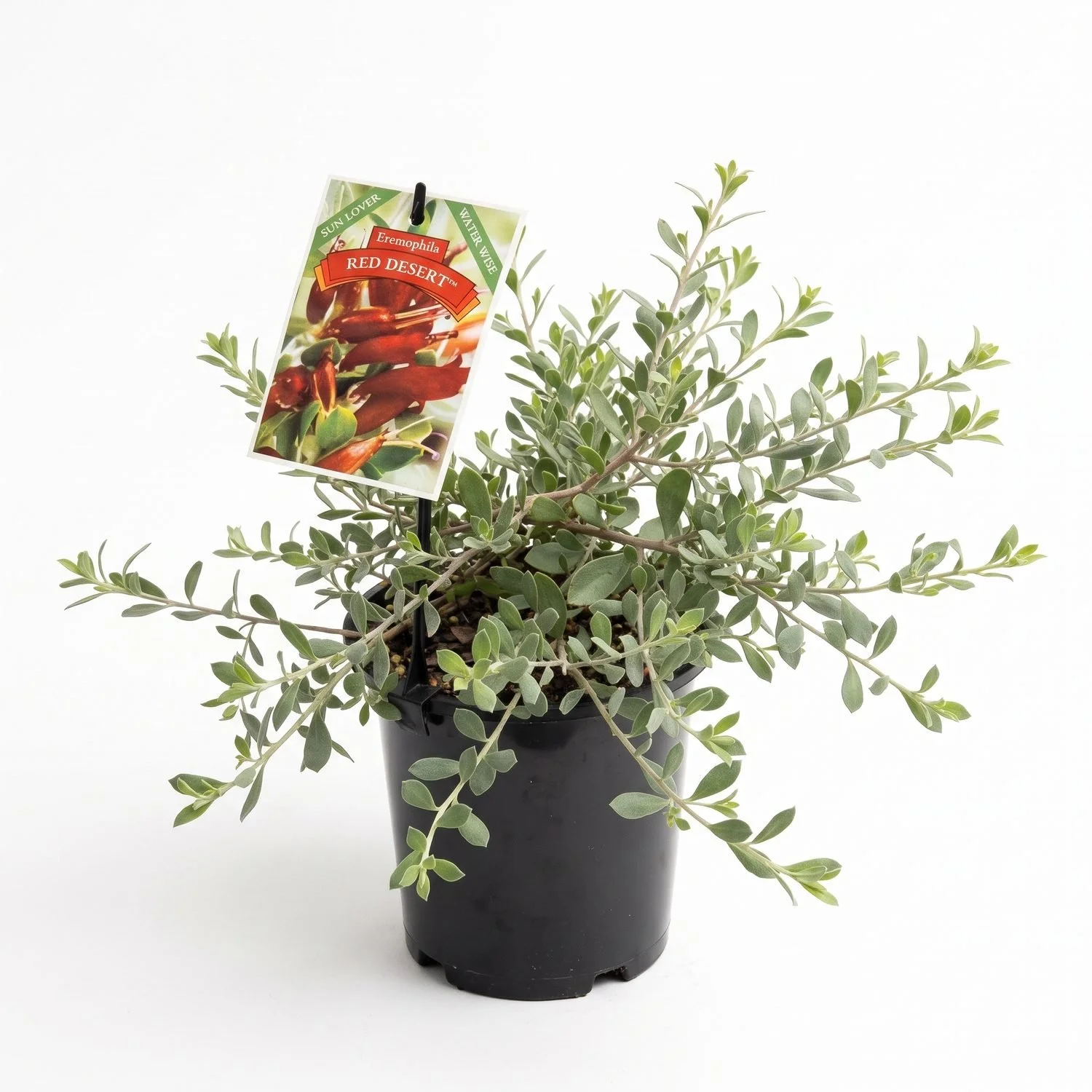
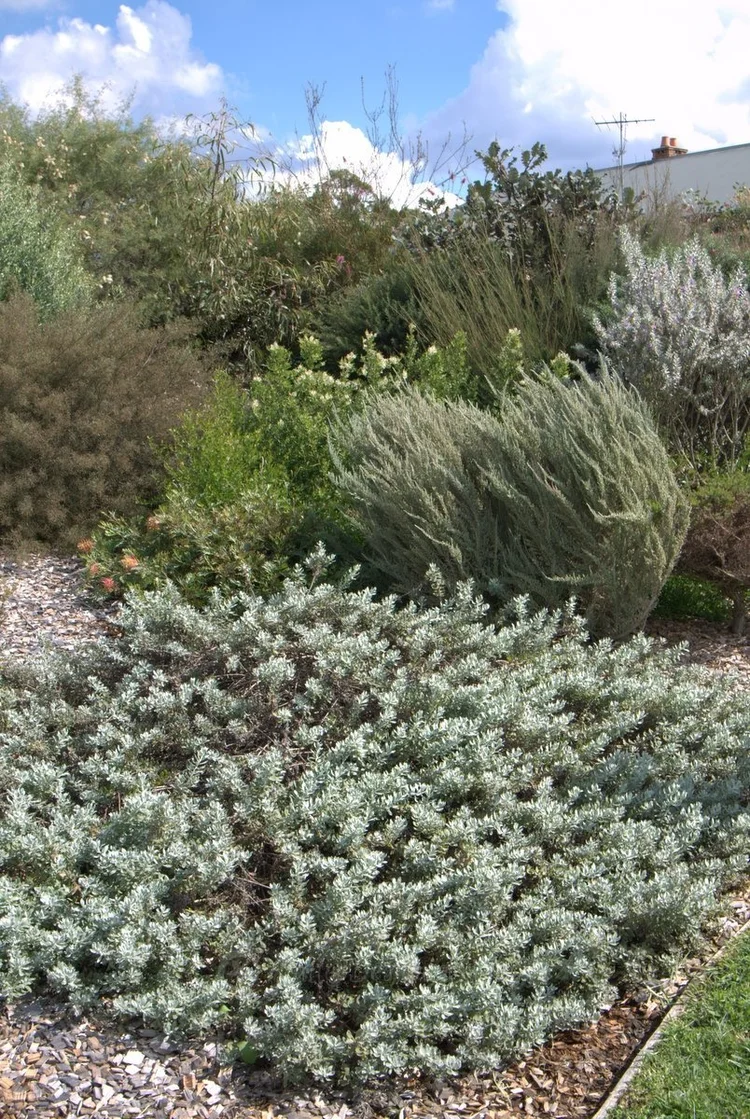
A tough, low-growing emu bush with soft silver-grey foliage and masses of tubular red flowers that honeyeaters can't resist. It spreads into a neat, dense mound that's perfect for covering dry, sunny ground or edging a native garden, and it can be lightly trimmed into a low flowering hedge. Once established it shrugs off heat and dry spells and copes with light Canberra frosts.
- Mature size: Approx. 30-50cm H x 1-1.5m W
- Foliage: Soft, silvery-grey, evergreen
- Flowers: Red tubular flowers, mainly autumn through spring with spot flowering at other times
- Growth habit: Low, dense, spreading mound
- Position: Full sun; needs well-drained soil
- Climate: Very drought tolerant; tolerates light to moderate frost once established
- Water needs: Low once established; avoid overwatering
- Soil: Well-drained soil. On heavy Canberra clay, dig in gypsum clay breaker before planting. In pots, use Native Osmocote Potting Mix.
- Feeding: Osmocote Native in spring, or Neutrog Bush Tucker as a liquid feed. Seasol at planting helps it settle in.
- Maintenance: Low. A light trim after flowering keeps it compact
- Ideal for: Groundcover, low borders, rockeries, native and bird-attracting gardens
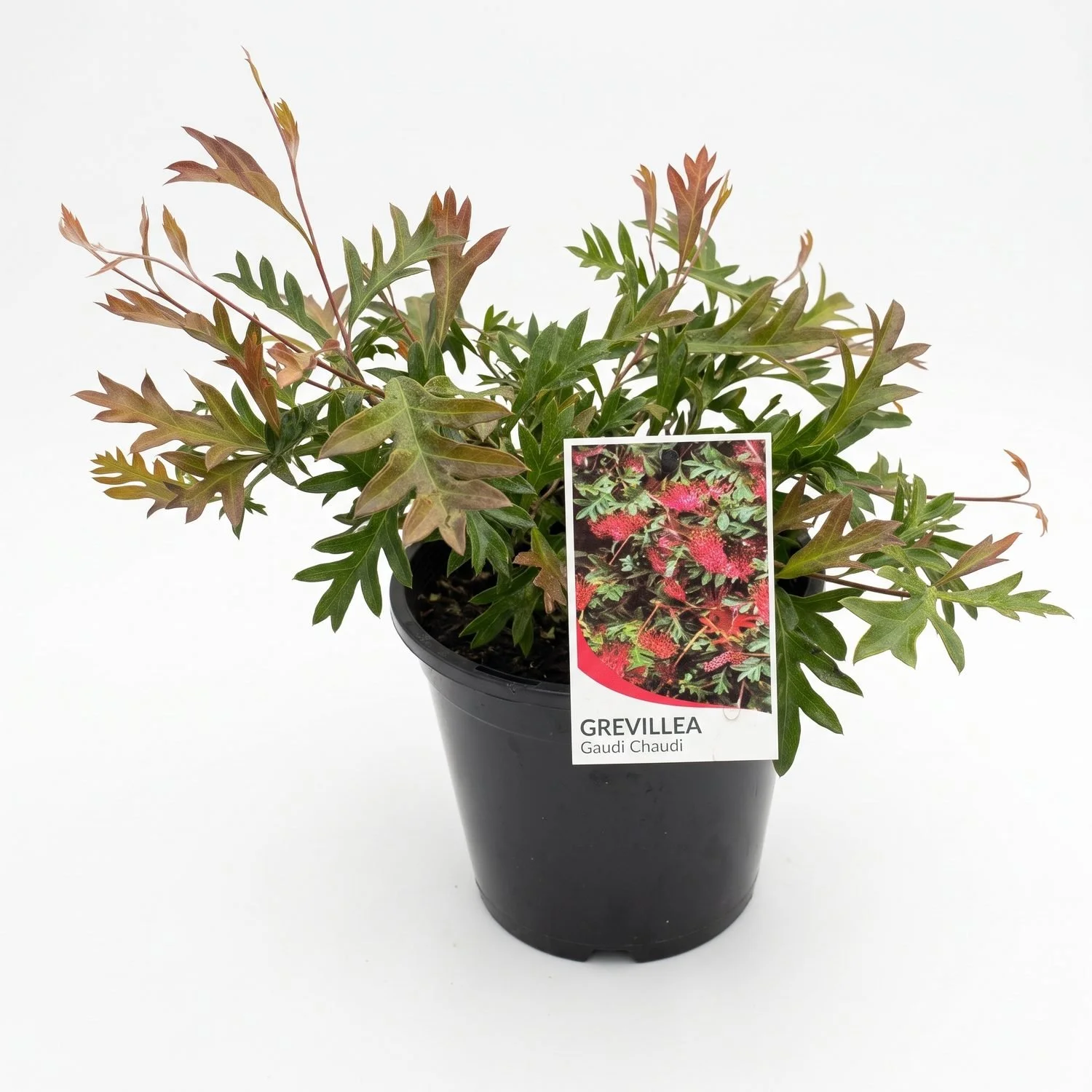
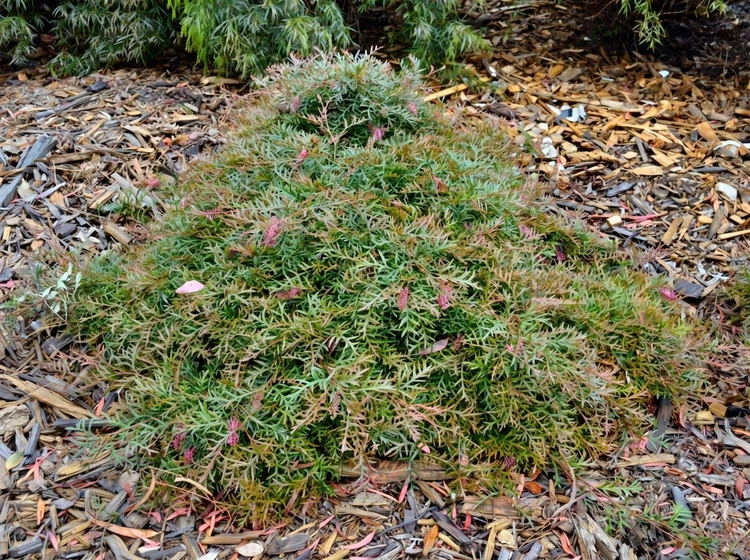
Grevillea 'Gaudi Chaudi' is a vigorous native groundcover with striking oak-leaf shaped foliage that flushes bronze-red on new growth. From spring into summer it's covered in burgundy-red toothbrush flowers that bring honeyeaters and other nectar-loving birds to the garden. It spreads quickly to blanket banks and slopes, and it's tough enough to handle Canberra's frosts and dry summers once settled in.
- Mature size: Around 20–40cm tall, spreading 2–3m or more wide
- Foliage: Deeply lobed, oak-leaf style leaves; new growth is bronze-red, maturing to deep green
- Flowers: Burgundy-red toothbrush flowers, mainly spring to summer
- Growth habit: Low, fast-spreading and trailing
- Position: Full sun to part shade in well-drained soil
- Climate: Frost hardy and handles Canberra winters once established
- Water needs: Low once established; water regularly through its first summer
- Soil: Free-draining, low-phosphorus soil. On heavy Canberra clay, dig in gypsum clay breaker and plant on a slight mound. In pots, use Native Osmocote Potting Mix.
- Feeding: Sensitive to phosphorus, so use a native fertiliser only: Osmocote Native in spring, or Neutrog Bush Tucker as a liquid feed. Avoid general fertilisers and manures.
- Maintenance: Low; trim the edges if it spreads further than you'd like
- Ideal for: Covering banks and slopes, spilling over retaining walls, large garden beds and bird-attracting native gardens
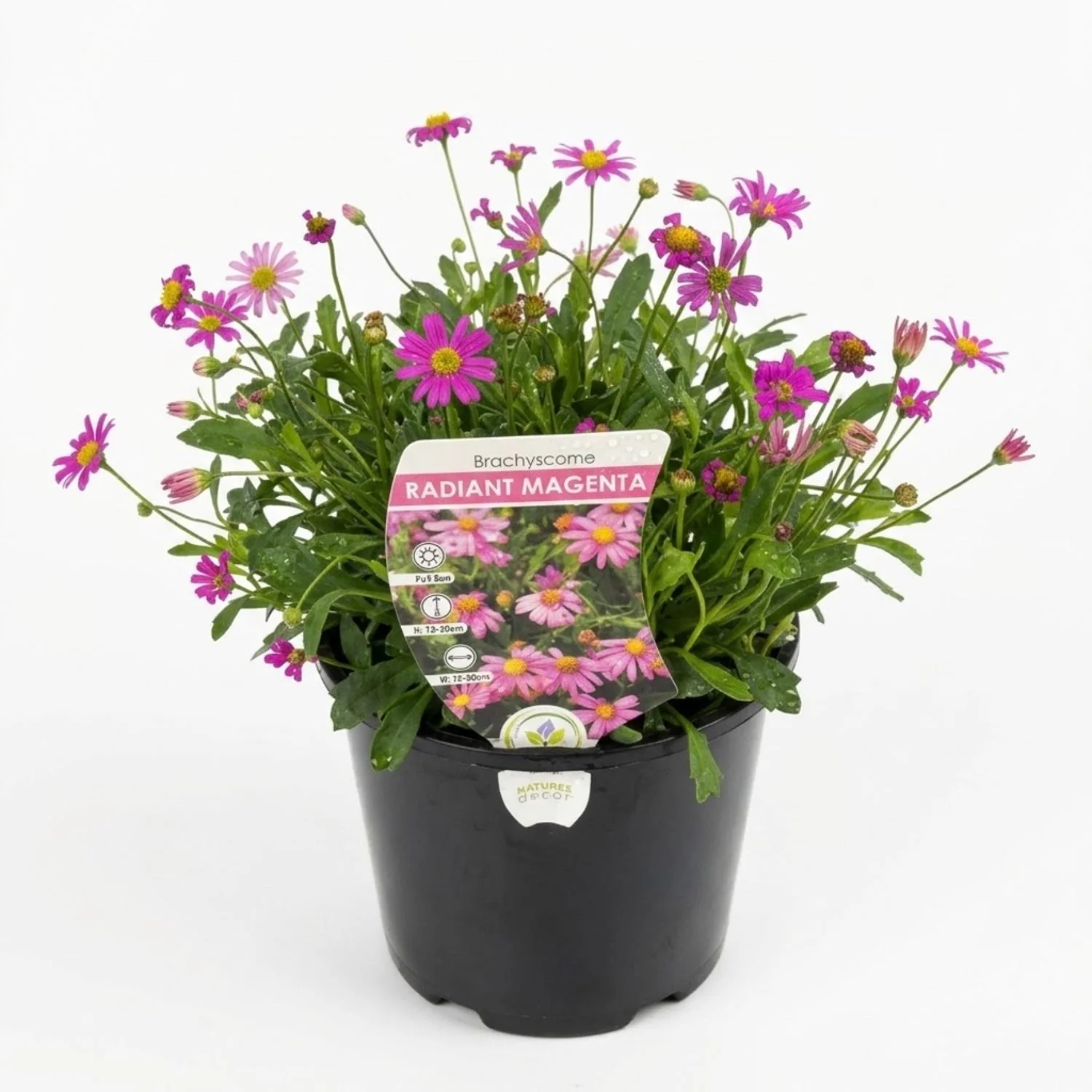
Brachyscome 'Radiant Magenta' is a cheerful Australian native daisy that covers itself in bright magenta flowers with golden centres for most of the year. It forms a neat, low mound of soft green foliage that looks great tumbling over pot edges, rockeries and garden borders, and it brings bees and butterflies into the garden. Tough and waterwise once settled in, it's an easy splash of colour for a sunny Canberra spot.
Mature size: approx. 20-30cm high x 30-40cm wide
Foliage: Soft, fine, mid-green leaves
Flowers: Masses of magenta daisies with golden centres, spring to autumn and on and off for most of the year
Growth habit: Low, mounding and spreading
Position: Full sun (tolerates light shade)
Climate: Light frost tolerant; drought and heat tolerant once established. Protect from heavy frost
Water needs: Low once established
Soil: Well-drained soil. On heavy Canberra clay, dig in gypsum clay breaker before planting. In pots, use Native Osmocote Potting Mix.
Feeding: Osmocote Native in spring, or Neutrog Bush Tucker as a liquid feed. Seasol at planting helps it settle in.
Maintenance: Low. Trim lightly after a flush of flowers to keep it compact and flowering; use a low-phosphorus native fertiliser
Ideal for: Pots, hanging baskets, borders, rockeries, ground cover and attracting bees and butterflies
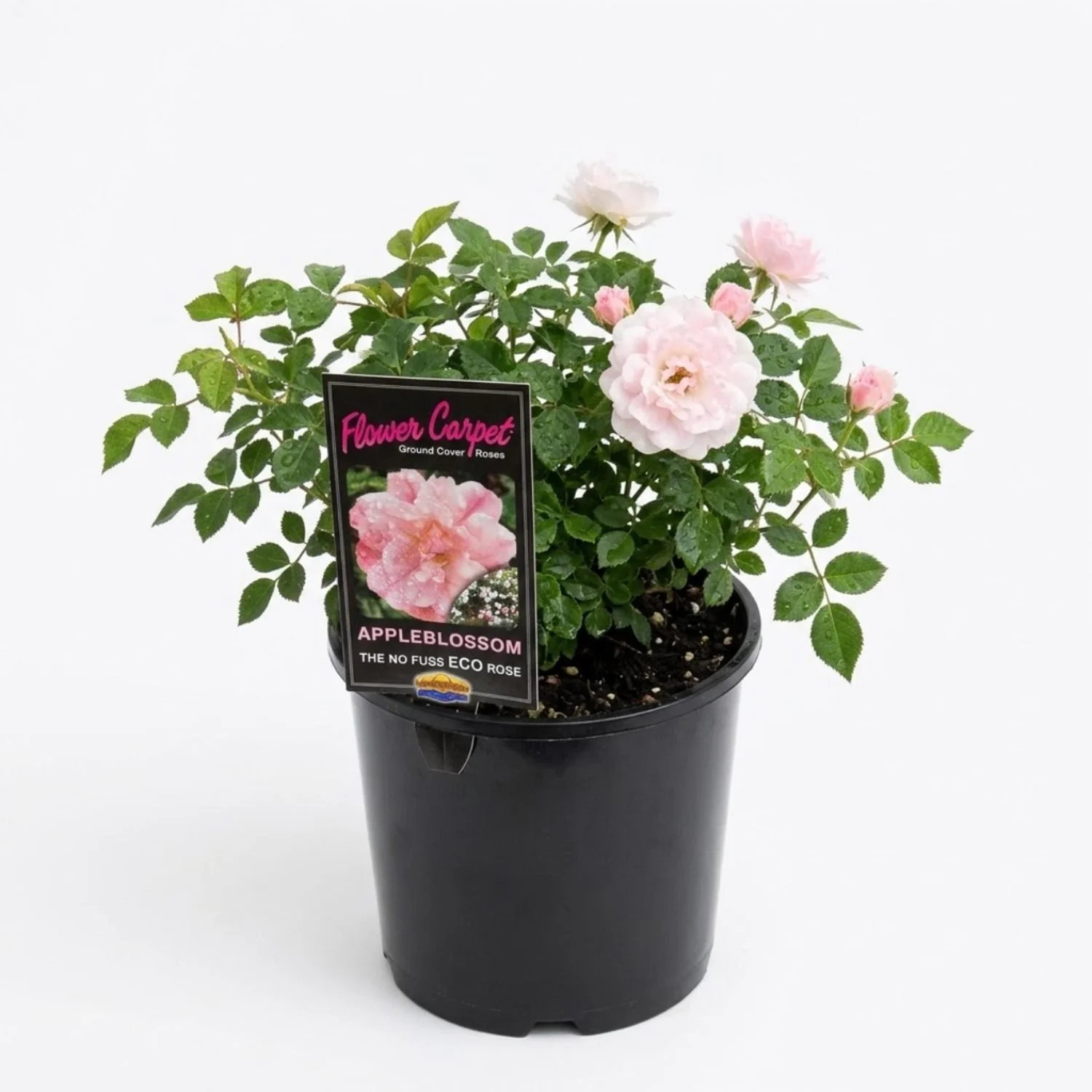
Flower Carpet Appleblossom is a tough, no-fuss ground cover rose that smothers itself in soft apple-blossom pink blooms, fading to near white, from spring right through to late autumn. It has glossy, healthy foliage that's bred to resist black spot and mildew, so there's no spraying needed. It shrugs off Canberra frosts and summer heat, and is happy spilling over a wall, edging a path or filling a big pot.
Mature size: approx. 60cm high x 1m wide
Foliage: Glossy, deep green, highly disease resistant
Flowers: Clusters of soft pink, semi-double blooms, spring to late autumn
Growth habit: Low, spreading ground cover rose
Position: Full sun to part shade (at least 5 hours of sun for best flowering)
Climate: Frost hardy and heat tolerant once established
Water needs: Low to moderate once established
Soil: Well-drained soil improved with compost. Break up heavy Canberra clay with gypsum clay breaker. In pots, use Osmocote Premium Potting Mix.
Feeding: Osmocote All Purpose in spring, or Yates Dynamic Lifter for an organic feed. Seasol at planting and through summer helps with heat stress.
Maintenance: Low. No spraying needed; cut back by about a third in late winter and feed with rose food in spring
Ideal for: Ground cover, borders and path edges, slopes, rockeries, large pots and cottage gardens
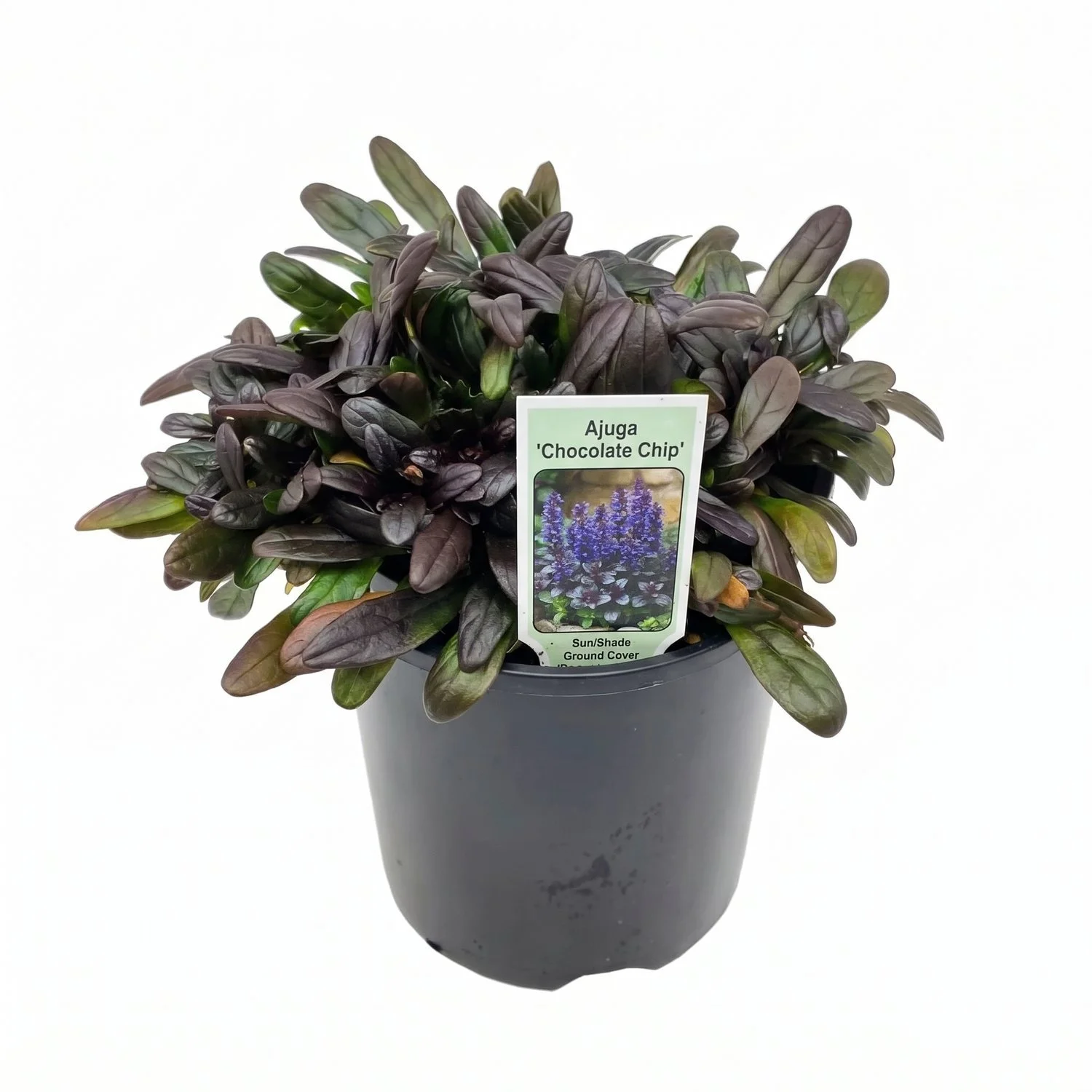
Ajuga 'Chocolate Chip' is a low, tidy groundcover with small, glossy leaves in rich chocolate-bronze tones. In spring it sends up spikes of bright blue flowers that bees love. It's one of the few groundcovers that's happy in shade, and it shrugs off Canberra's winter frosts.
- Mature size: Around 10–15cm tall and 30–40cm wide
- Foliage: Small, narrow, glossy leaves in chocolate, bronze and green
- Flowers: Short spikes of vivid blue flowers in spring
- Growth habit: Low, dense mat that spreads steadily by runners without being aggressive
- Position: Part sun to full shade; afternoon shade is best in summer
- Climate: Very frost hardy and handles cold Canberra winters
- Water needs: Moderate; likes moist, well-drained soil and water in dry spells
- Soil: Well-drained soil improved with compost. Break up heavy Canberra clay with gypsum clay breaker. In pots, use Osmocote Premium Potting Mix.
- Feeding: Osmocote All Purpose in spring, or Yates Dynamic Lifter for an organic feed. Seasol at planting and through summer helps with heat stress.
- Maintenance: Low; trim off spent flower spikes if you like
- Ideal for: Shady garden beds, under trees, edging paths, between pavers and pots
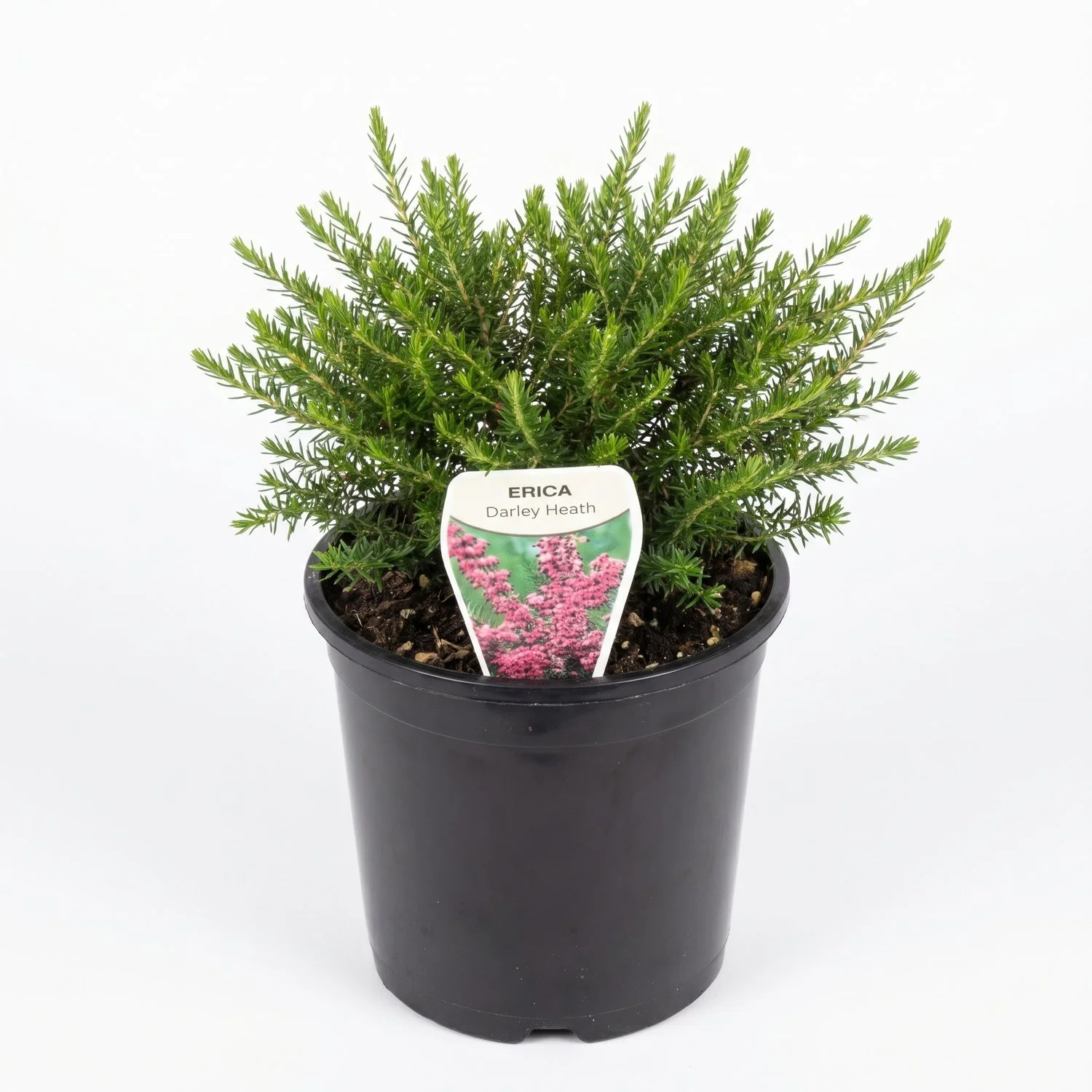
A compact, bushy heath that smothers itself in tiny pink bell flowers from winter into spring, bringing months of colour when little else is in bloom. Its fine, needle-like evergreen foliage forms a neat mound that works beautifully as a low border or massed as a groundcover. A reliable performer in cool climates, it's well suited to Canberra gardens with good drainage.
- Mature size: Approx. 40-60cm H x 60cm W
- Foliage: Fine, needle-like, deep green, evergreen
- Flowers: Masses of small pink bell flowers, winter to spring
- Growth habit: Compact, dense, mounding shrub
- Position: Full sun to part shade; needs well-drained soil
- Climate: Frost hardy; dislikes heavy, waterlogged clay
- Water needs: Moderate; keep moist while establishing, mulch well
- Soil: Slightly acidic, moist but well-drained soil rich in organic matter. Mulch with pinebark mulch to keep roots cool.
- Feeding: A light feed of Osmocote All Purpose in spring, plus Seasol every few weeks through the warmer months.
- Maintenance: Low; lightly trim after flowering to keep it compact
- Ideal for: Low borders, path edging, mass planting, rockeries, cottage gardens and pots
Covering ground the easy way
Fast spreaders
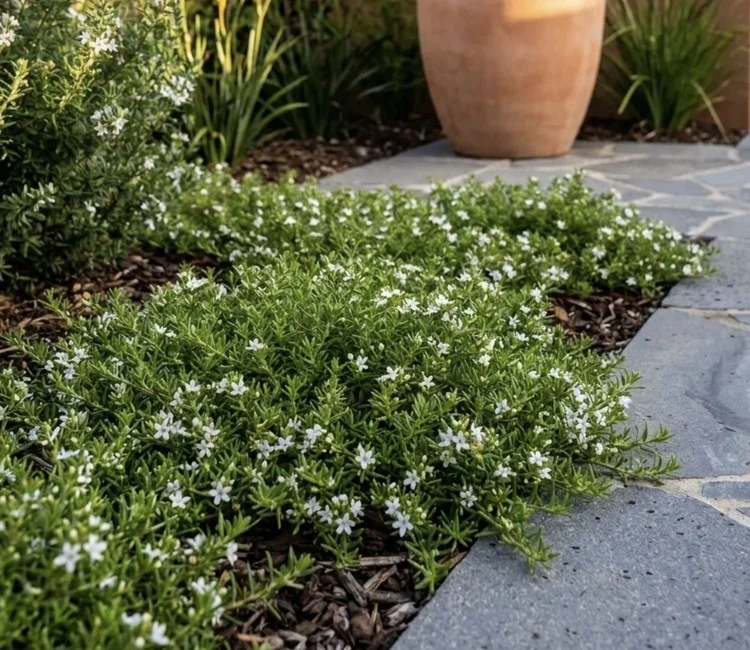
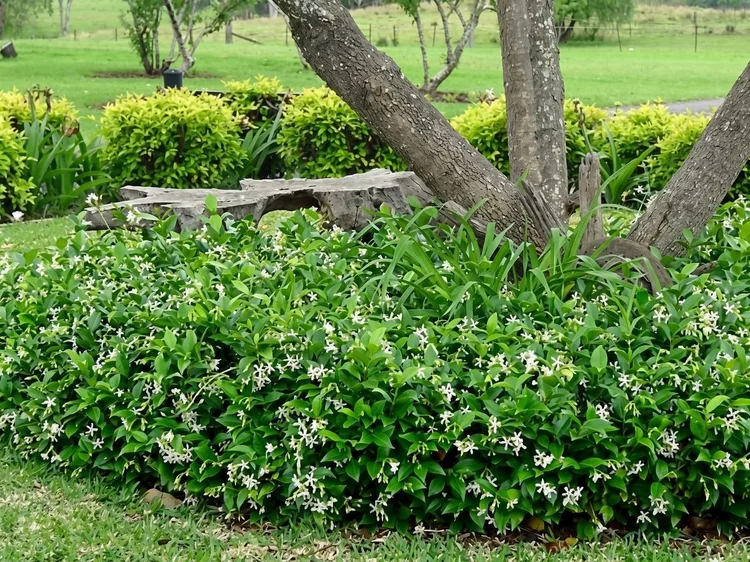
Myoporum, Asian star jasmine and Grevillea 'Bronze Rambler' spread quickly to cover large areas, banks and under trees.
Flowering ground covers
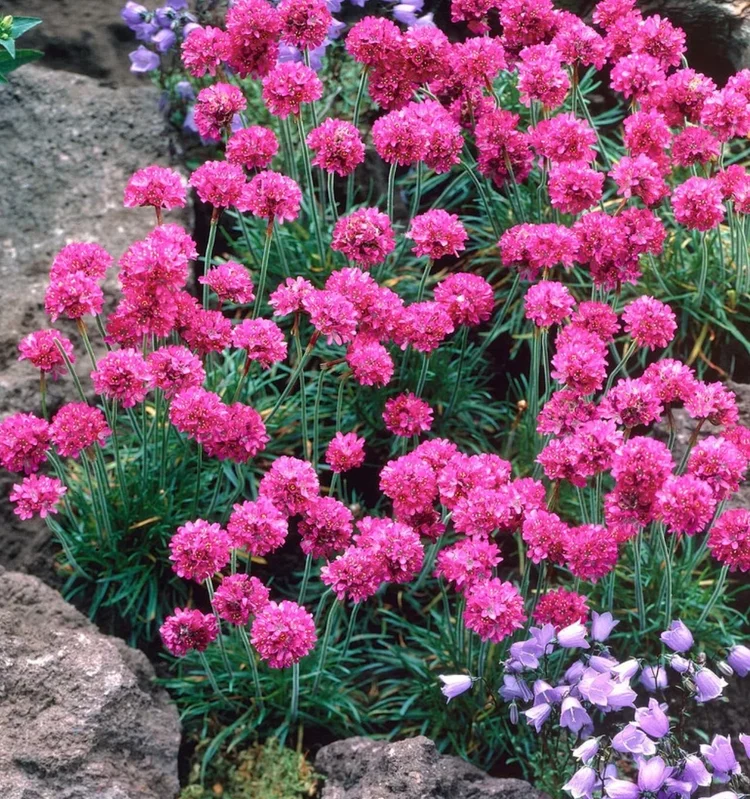
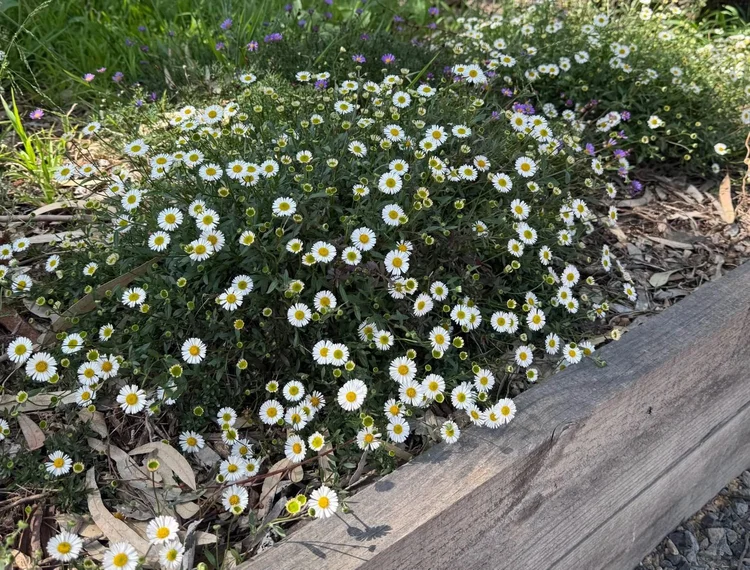
Seaside daisy, pink sea thrift and Eremophila 'Kalbarri Carpet' add flowers along paths, rockeries and garden edges.
Tough and dry spots
Creeping saltbush and Eremophila handle hot, dry and exposed spots once established.
Ground cover questions
How far apart should I plant?
Most ground covers spread to a metre or more, so plant about 50cm–1m apart depending on how fast you want coverage.
How do I stop weeds while they spread?
Mulch well between plants until they knit together.
Where do they work best?
Along paths, under trees, on banks and spilling over low walls.
Not sure which ground cover suits your garden? Call Pat on 0401 260 263 and we'll help you choose.

Sunkissed is a tough, mass-flowering native groundcover from the Bush Magik range, a cross between Grevillea juniperina and Grevillea rhyolitica. It forms a dense, spreading mat of fine, bright green foliage that's covered in clusters of apricot-orange spider flowers, mainly through autumn, and the honeyeaters love them. It's water-wise once established and handles light to moderate frosts, making it a great choice for sunny banks, rockeries and borders in Canberra gardens.