
Trees for Sale Canberra
Feature trees, shade trees and fruit trees chosen to handle Canberra's frosty winters and hot, dry summers. Our trees come in larger pots for real impact from day one, and we deliver to your door across Canberra, Queanbeyan, Googong and Jerrabomberra in 2–3 business days. Free delivery on orders over $100.
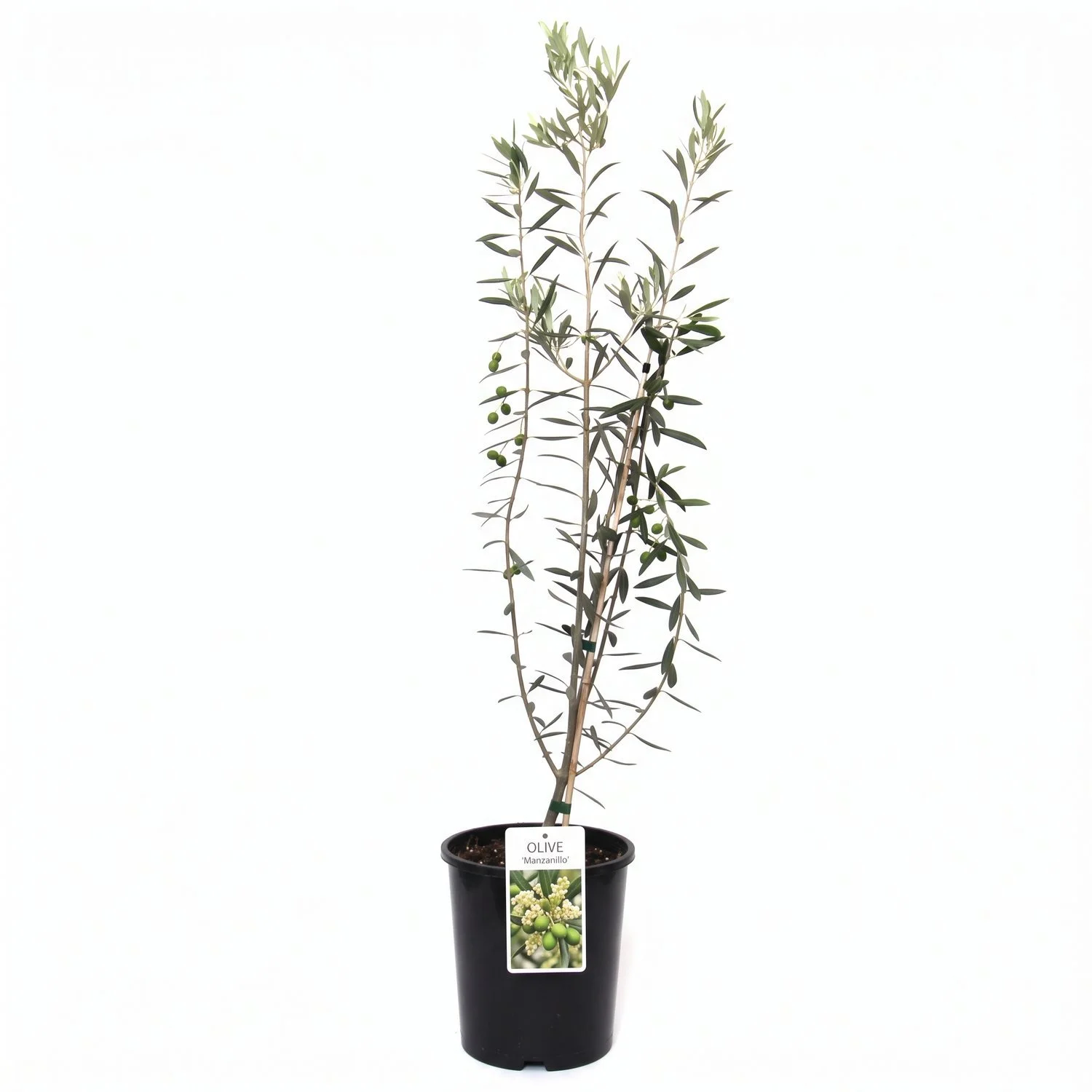
The classic Spanish table olive, 'Manzanillo' is a handsome evergreen tree with silvery grey-green foliage and plump, rounded fruit that's excellent for pickling and also good for oil. Tough, long-lived and drought hardy, it loves Canberra's hot dry summers and handles frost once established. Grow it as a feature tree, an evergreen screen or in a large pot.
- Mature size: Approx. 4-6m H x 3-5m W (easily kept smaller with pruning)
- Foliage: Narrow, silvery grey-green, evergreen
- Flowers: Small cream flowers in late spring
- Fruit: Medium to large rounded olives, green ripening to purple-black in autumn; crops are heavier with another olive variety nearby
- Growth habit: Rounded, spreading small tree
- Position: Full sun; needs well-drained soil
- Climate: Drought hardy; tolerates light to moderate frost once established
- Water needs: Low; regular water while establishing and when fruit is forming
- Soil: Very free-draining soil that can be on the lean side. Avoid wet clay: dig in gypsum clay breaker and plant on a mound.
- Feeding: A light feeder: a small amount of Osmocote All Purpose in spring is plenty. Too much fertiliser gives soft, floppy growth.
- Maintenance: Low; prune after harvest to shape and keep the centre open
- Ideal for: Feature trees, evergreen screens, Mediterranean-style gardens, kitchen gardens and large pots
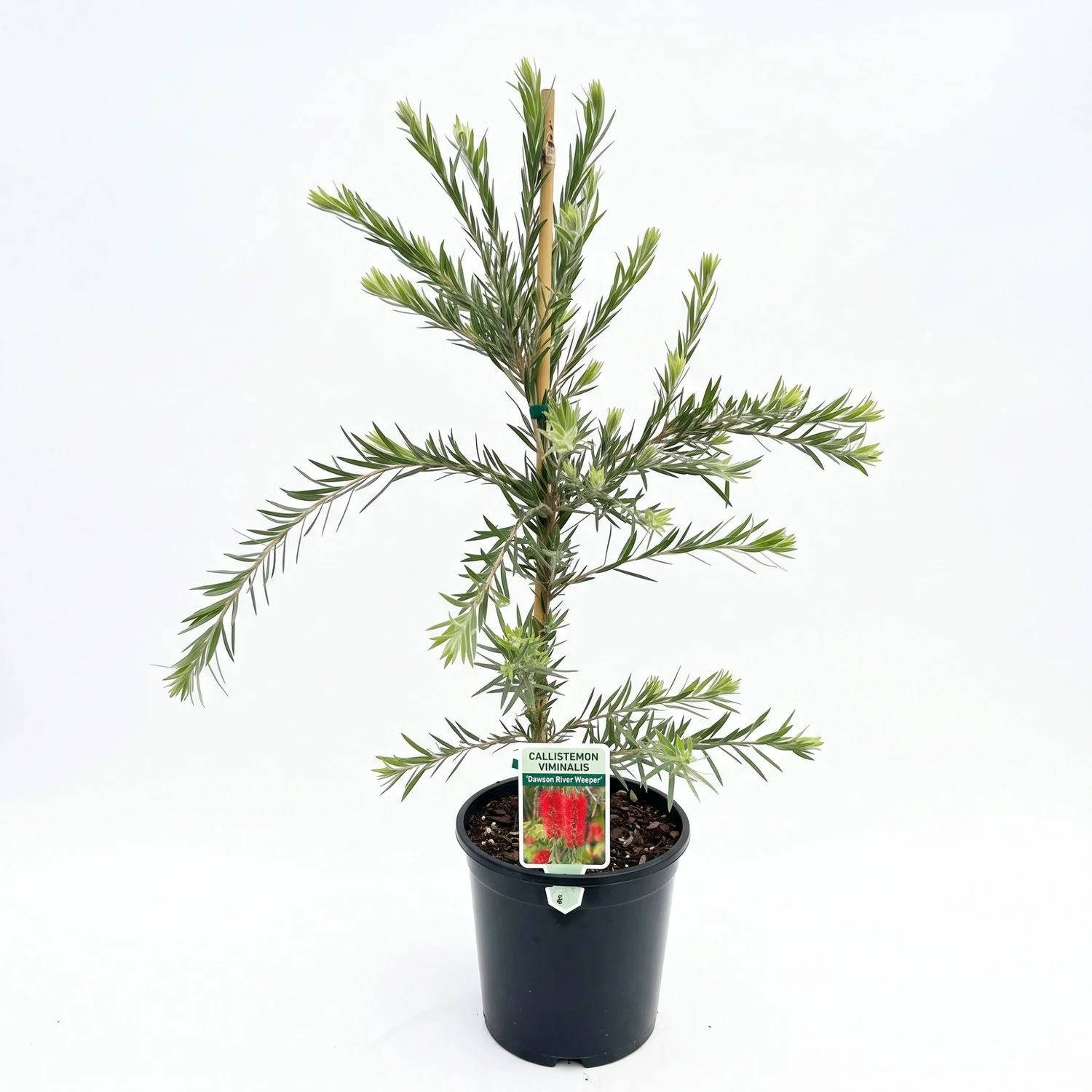
A graceful weeping bottlebrush that grows into a large shrub or small tree, with pendulous branches and masses of bright red brushes in spring and again in autumn. Fast growing and bird-attracting, it makes a beautiful native screen, shade or feature tree, and honeyeaters flock to it in flower. It's widely planted around Canberra and handles local frosts and dry spells once established.
- Mature size: Approx. 4-6m H x 3-5m W
- Foliage: Narrow, soft green, evergreen, on weeping branches
- Flowers: Bright red bottlebrushes in spring and autumn, with spot flowering through the year
- Growth habit: Weeping large shrub or small tree; fast growing
- Position: Full sun to part shade
- Climate: Moderate frost and drought tolerance once established; protect young plants from heavy frost
- Water needs: Low to moderate; regular water while establishing and in long dry spells
- Soil: Copes with most soils, including heavier clay. Dig in gypsum clay breaker to help drainage. In pots, use Native Osmocote Potting Mix.
- Feeding: Osmocote Native in spring, or Neutrog Bush Tucker as a liquid feed. Seasol at planting helps it settle in.
- Maintenance: Low; prune after flowering to shape and encourage dense growth
- Ideal for: Feature and shade trees, informal screens, street-side and native gardens, attracting birds
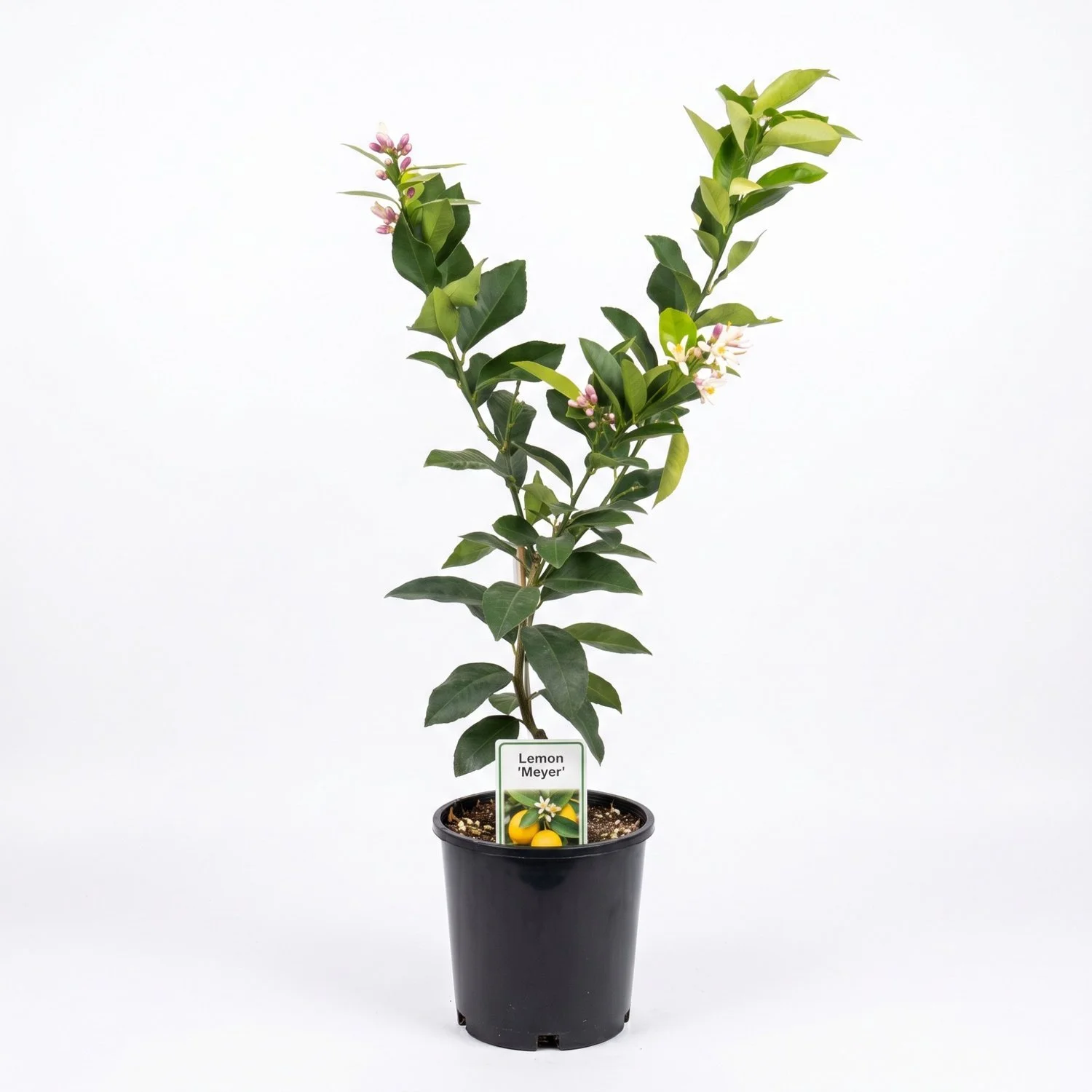
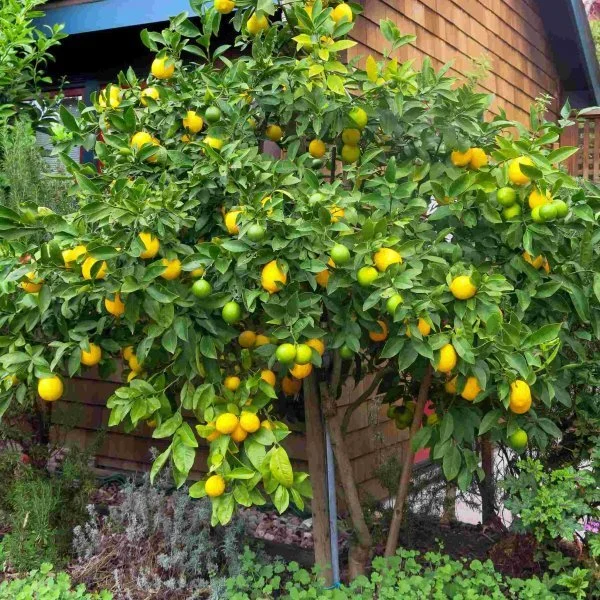
The best lemon for cooler climates, 'Meyer' is a compact citrus tree with glossy evergreen leaves, sweetly scented white blossom and heavy crops of smooth, thin-skinned, juicy lemons that are milder and less acidic than other varieties. It's more cold tolerant than other lemons, which makes it the pick for Canberra gardens, especially in a warm, sunny spot against a north-facing wall. Its smaller size also makes it an excellent choice for a large pot.
- Mature size: Approx. 2-3m H x 2m W (smaller in pots)
- Foliage: Glossy, dark green, evergreen
- Flowers: Fragrant white blossom, mainly spring with flushes through the year
- Fruit: Medium, rounded, thin-skinned, juicy and mildly sweet lemons; main crop winter, with fruit possible through much of the year
- Position: Full sun, sheltered from cold winds; well-drained soil
- Climate: The most cold-tolerant lemon; protect young trees from heavy frost
- Water needs: Moderate; water deeply and regularly, especially when flowering and fruiting
- Soil: Rich, free-draining soil. Break up clay with gypsum clay breaker. In pots, use Osmocote Citrus & Fruit Potting Mix.
- Feeding: A hungry feeder: Black Marvel Fruit & Citrus Food in early spring and again in late summer, with PowerFeed as a liquid boost.
- Maintenance: Feed with citrus fertiliser in spring and late summer, mulch well, light prune after harvest to shape
- Ideal for: Kitchen gardens, courtyards, sunny north-facing walls and large pots
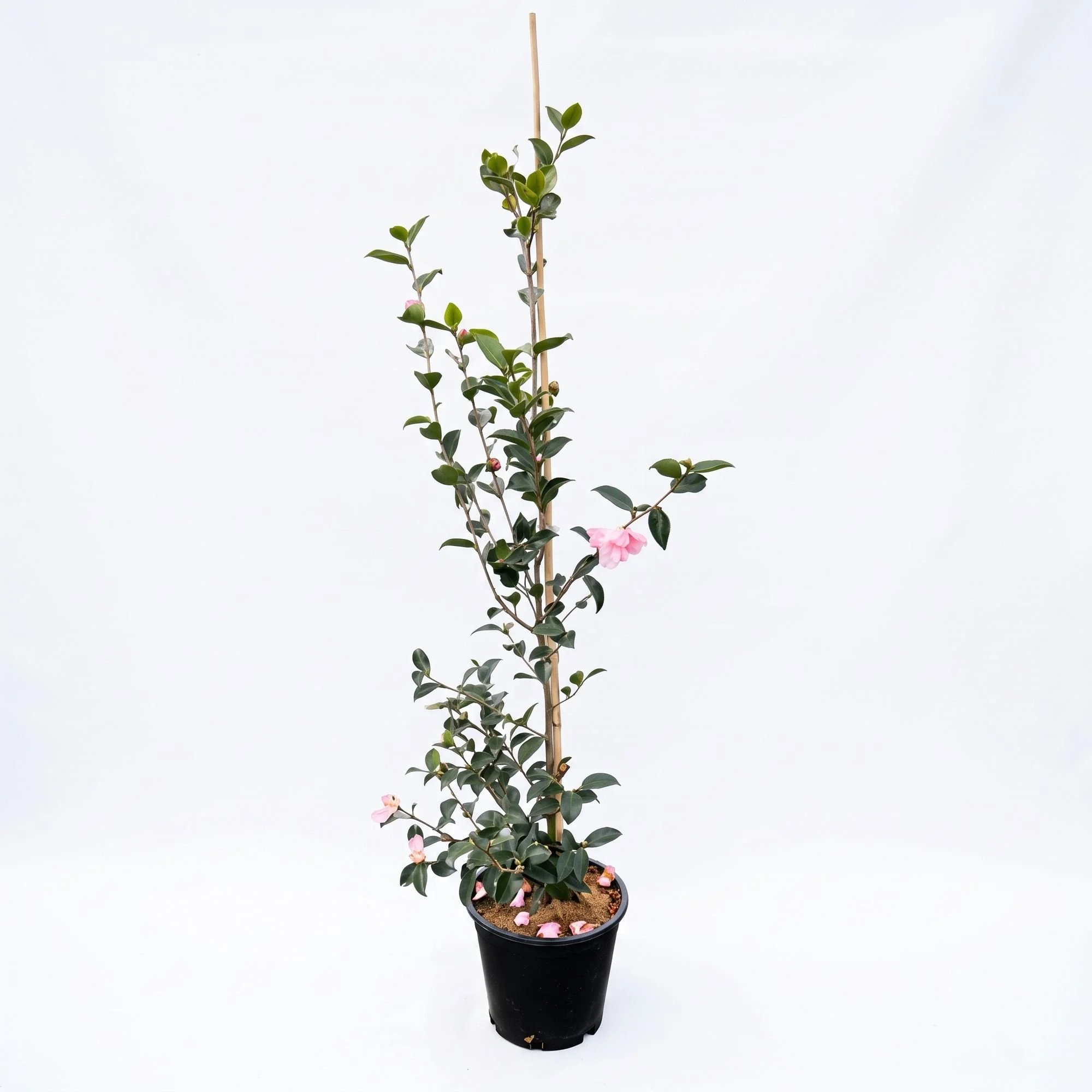
A much-loved Australian-bred sasanqua, Camellia 'Plantation Pink' covers itself in large, soft pink single flowers with golden centres from autumn into early winter, just as the rest of the garden is winding down. The blooms carry a light, sweet fragrance and sit against glossy, dark green leaves that look good all year round. Hardy once established and happy with regular clipping, it's one of the most dependable flowering hedges for Canberra gardens.
Mature size: 2.5–3m tall x 2m wide (easily kept lower with trimming)
Foliage: Small, glossy, dark green evergreen leaves
Flowers: Large single soft pink blooms with golden-yellow stamens, lightly fragrant, autumn to early winter
Growth habit: Upright, dense and bushy; moderate growth rate
Position: Full sun to part shade; a spot with some afternoon shade and shelter from hot winds suits Canberra summers best
Climate: Frost hardy once established; heavy frosts may mark open flowers
Water needs: Regular water while establishing, then moderate; prefers moist, well-drained, humus-rich soil and benefits from mulch
Soil: Slightly acidic, moist but well-drained soil rich in organic matter. Mulch with pinebark mulch to keep roots cool.
Feeding: A light feed of Osmocote All Purpose in spring, plus Seasol every few weeks through the warmer months.
Maintenance: Low; trim lightly after flowering to shape or keep as a tight hedge
Ideal for: Flowering hedges and screens, espalier, standards, specimen planting and large pots
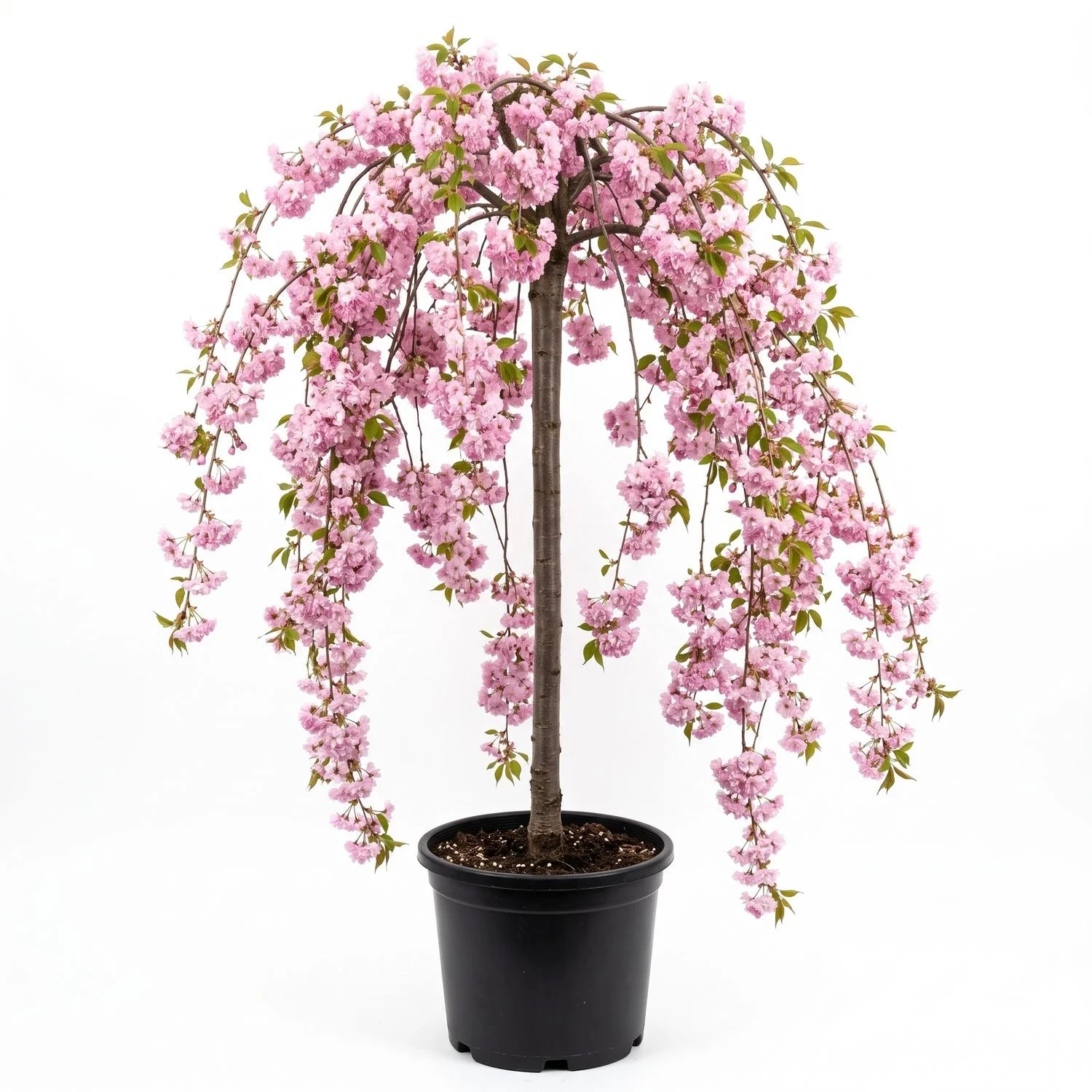
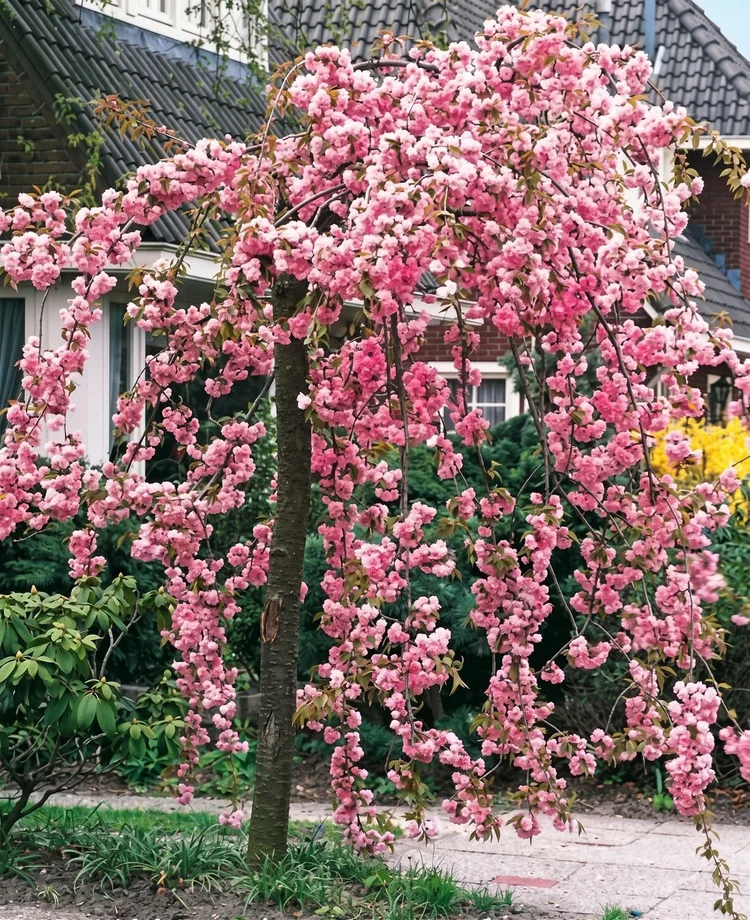
A beautiful weeping flowering cherry with cascading branches covered in clusters of double, rose-pink blossom in spring. New leaves emerge bronze, turn green over summer and colour gold, orange and red in autumn. Grown as a grafted standard, it stays compact, making it a stunning feature for smaller gardens, and it thrives in Canberra's cold winters.
- Mature size: Approx. 2-3m H x 2-3m W (grafted standard)
- Foliage: Bronze new growth, green in summer, gold to red in autumn; deciduous
- Flowers: Double rose-pink blossom, spring
- Growth habit: Weeping standard with cascading branches
- Position: Full sun to part shade
- Climate: Frost hardy
- Water needs: Moderate; regular water while establishing and through dry summers
- Soil: Well-drained soil improved with compost. Break up heavy Canberra clay with gypsum clay breaker. In pots, use Osmocote Premium Potting Mix.
- Feeding: Osmocote All Purpose in spring, or Yates Dynamic Lifter for an organic feed. Seasol at planting and through summer helps with heat stress.
- Maintenance: Low; light prune after flowering to shape, remove any shoots below the graft
- Ideal for: Feature trees, small gardens, lawns, courtyards and large pots
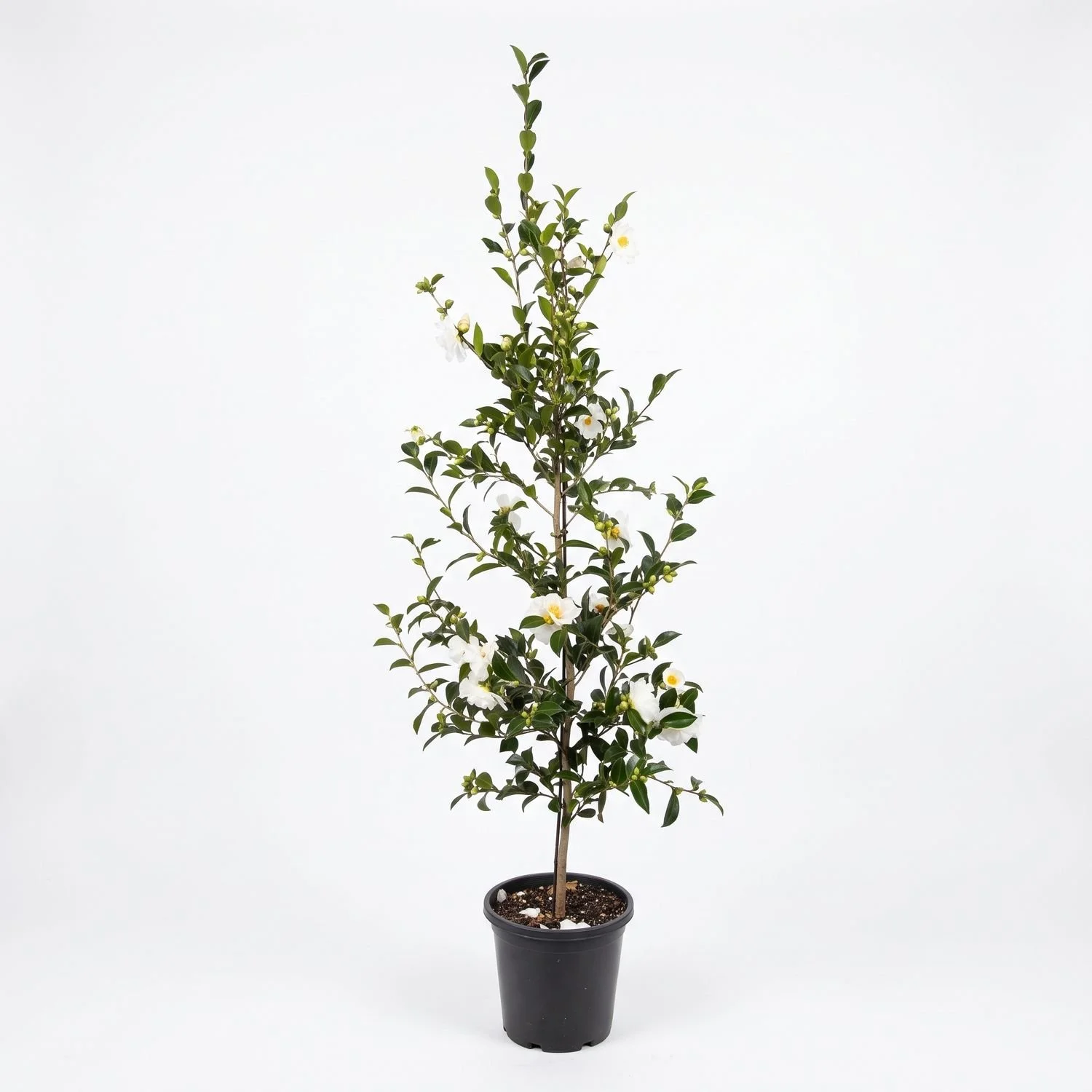
A classic sasanqua camellia with large, semi-double pure white flowers with ruffled petals and golden centres, covering the plant from late autumn into early winter. Its small, glossy dark green leaves and dense, upright habit make it one of the best flowering choices for hedges and screens. Sasanquas handle more sun than japonica camellias and cope with Canberra's frosts once established.
- Mature size: Approx. 3-4m H x 1.5-2.5m W (easily kept smaller with pruning)
- Foliage: Small, glossy, dark green, evergreen
- Flowers: Large semi-double white with golden stamens, late autumn to early winter
- Growth habit: Upright, dense; moderate growth rate
- Position: Full sun to part shade (afternoon shade in hot spots)
- Climate: Tolerates frost once established
- Water needs: Moderate; keep moist while establishing, mulch well
- Soil: Slightly acidic, moist but well-drained soil rich in organic matter. Mulch with pinebark mulch to keep roots cool.
- Feeding: A light feed of Osmocote All Purpose in spring, plus Seasol every few weeks through the warmer months.
- Maintenance: Low; prune after flowering to shape, feed with camellia/azalea food in spring
- Ideal for: Flowering hedges, privacy screens, feature planting and large pots
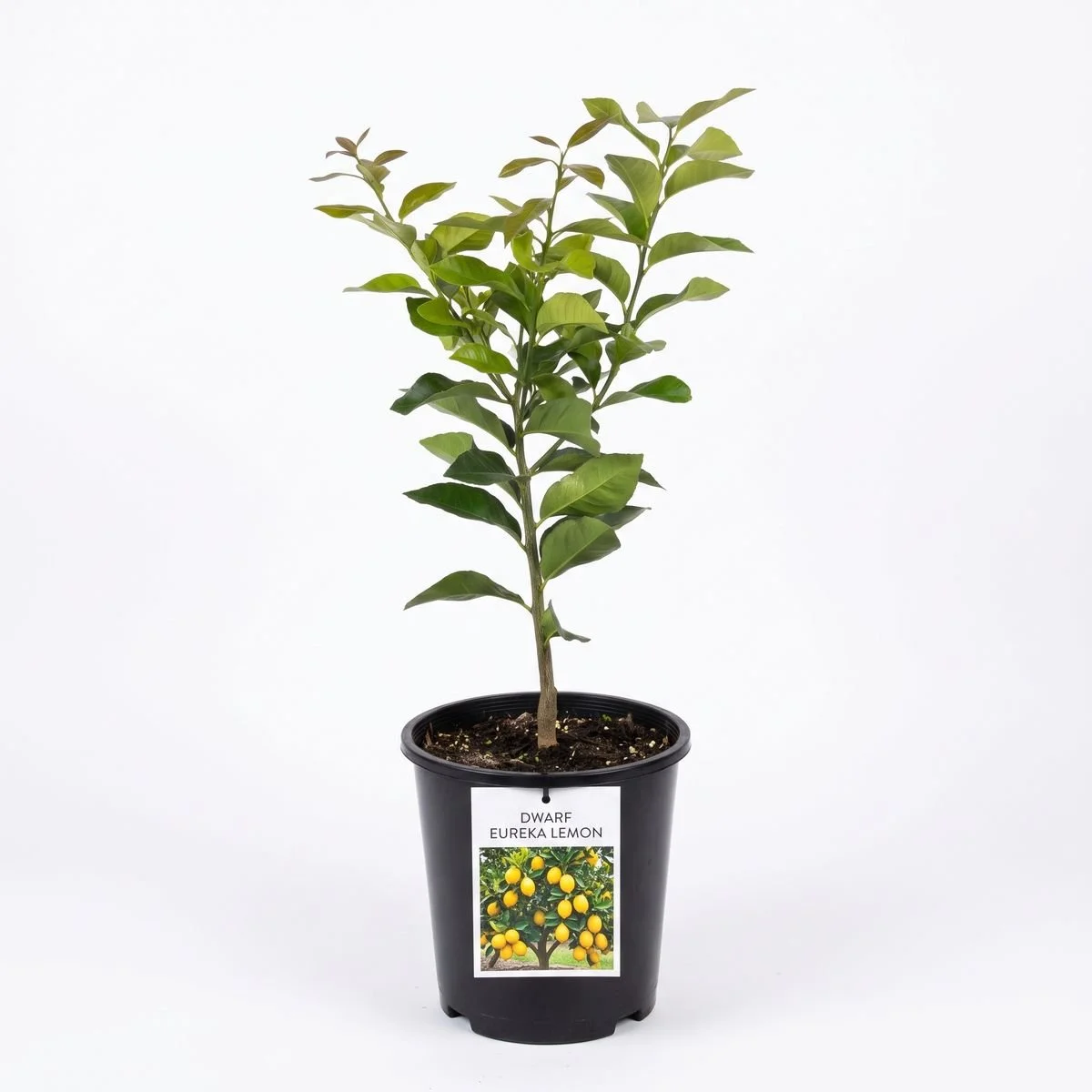
The Dwarf Eureka is the classic backyard lemon, with glossy evergreen leaves, fragrant white blossoms and large, juicy lemons with a true tangy flavour. Because it's grafted onto dwarfing rootstock, it gives you full-size fruit on a compact tree that suits small yards, courtyards and large pots. Its stems carry very few thorns, which makes picking easy. Plant it in a warm, sunny spot sheltered from frost and it will do well in Canberra gardens.
Mature size: Approx. 2–3m H x 1.5–2m W in the ground; smaller when grown in a pot
Foliage: Glossy, dark green, evergreen
Flowers: Fragrant white blossoms, mainly in spring with flushes through the year
Fruit: Large, juicy lemons with a classic tart flavour; main crop in winter, with fruit on and off for much of the year
Growth habit: Compact, bushy and upright
Position: Full sun, sheltered from cold winds
Climate: Tolerates light frost once established; protect young trees in winter (frost cloth, or plant near a north-facing wall)
Water needs: Regular, deep watering, especially over summer and while fruit is forming
Soil: Rich, free-draining soil. Break up clay with gypsum clay breaker. In pots, use Osmocote Citrus & Fruit Potting Mix.
Feeding: A hungry feeder: Black Marvel Fruit & Citrus Food in early spring and again in late summer, with PowerFeed as a liquid boost.
Maintenance: Low; feed with citrus fertiliser in spring and autumn, and lightly prune to shape after harvest
Ideal for: Small gardens, courtyards, large pots (40L+), edible gardens and front-yard feature trees
Choosing a tree for a Canberra garden
Feature and autumn colour
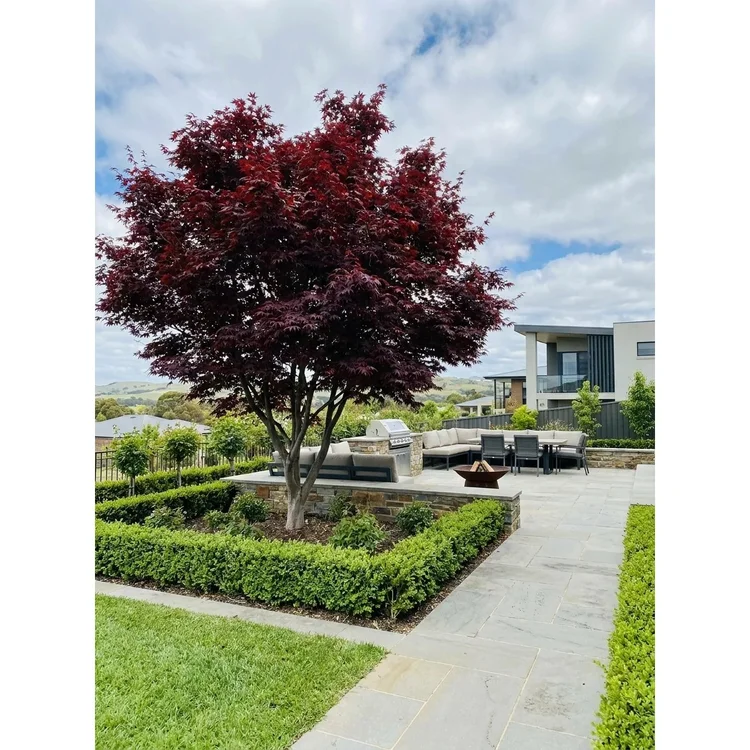
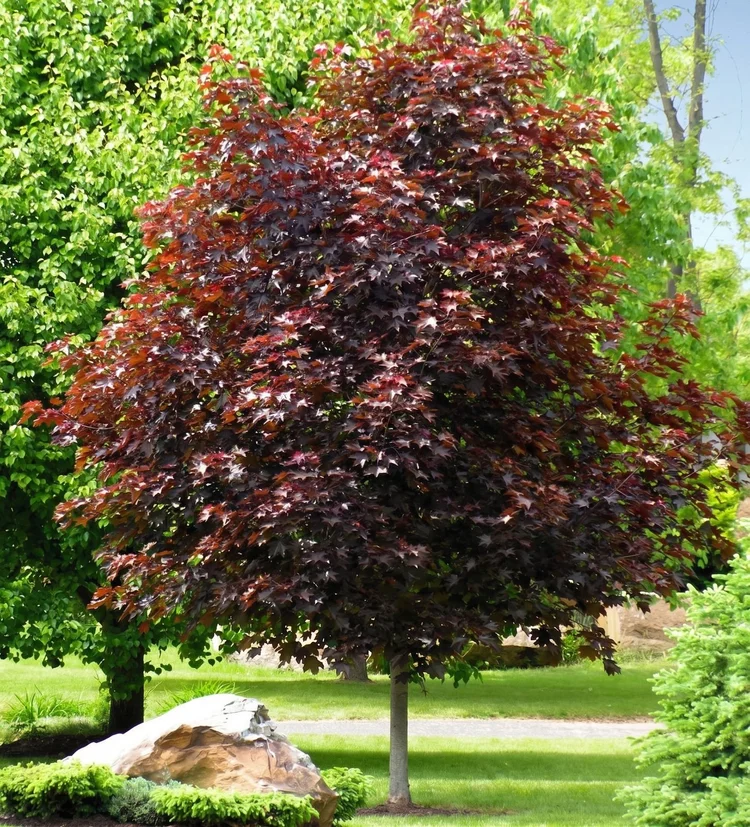
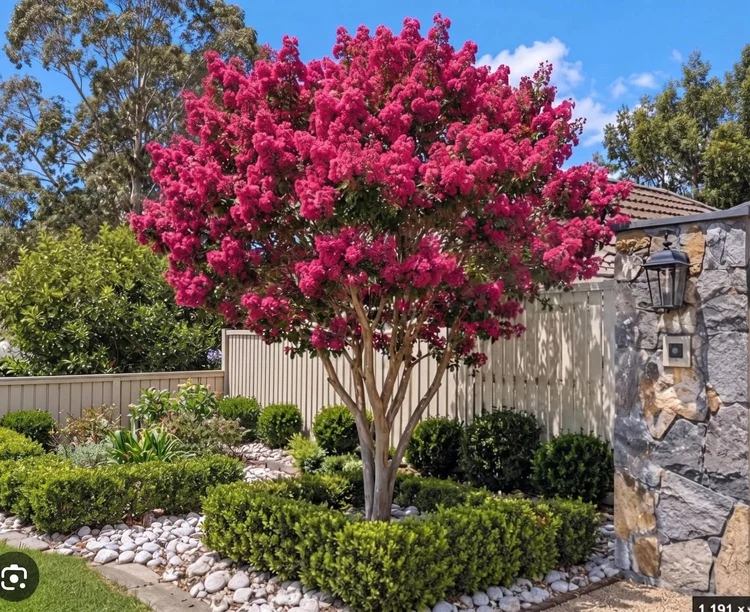
Japanese Maple 'Bloodgood', Acer 'Crimson King', crepe myrtles and Cheal's Weeping Cherry give you a striking focal point, with rich autumn colour before they drop their leaves.
Evergreen screening trees
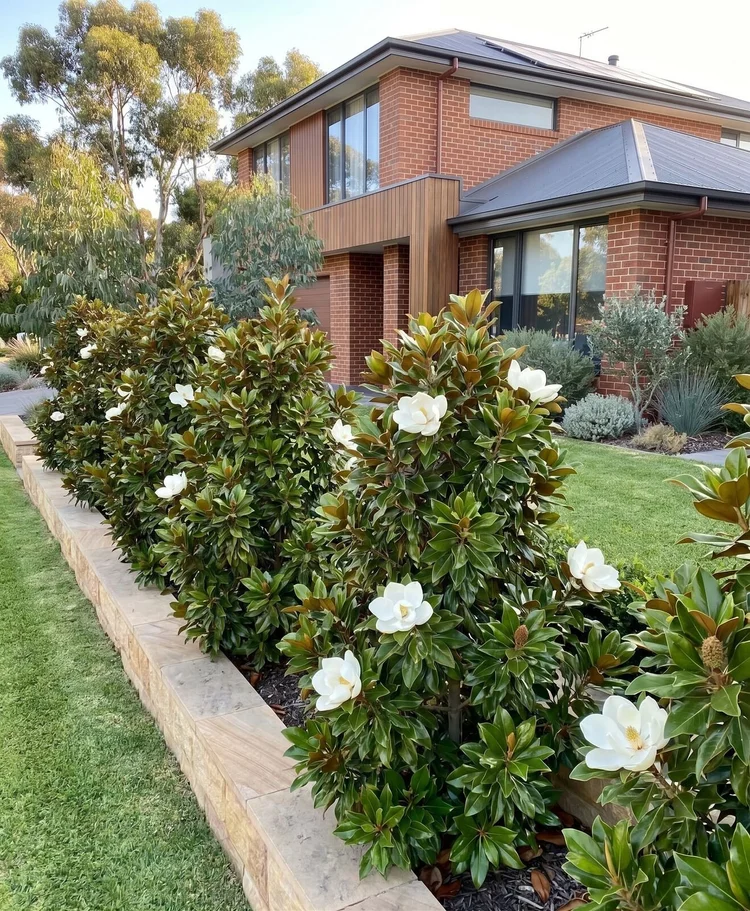
Magnolia 'Little Gem' and the Camellias stay green all year, so they work as a tall screen or a formal feature by an entry or driveway.
Fruit and edible trees
Meyer lemon, Dwarf Eureka lemon, olive and bay are happy in a warm, sunny Canberra spot or a large pot on a sheltered deck.
Tree questions
How big will it grow?
Check the mature size on each product page and plant well clear of the house, pipes and power lines.
Which trees give summer shade and winter sun?
Deciduous trees like crepe myrtle, Capital Pear and Crimson King shade the garden in summer, then drop their leaves to let winter sun through. They suit the north side of a Canberra home.
How do I plant a new tree?
Dig a hole twice as wide as the pot but no deeper, water in well, and stake young trees in windy spots.
How often should I water?
Water deeply once a week through the first summer rather than a little every day, and mulch around the base.
Not sure which tree suits your garden? Call Pat on 0401 260 263 and we'll help you choose.

One of the most popular Japanese maples (Acer palmatum 'Bloodgood'), with deep burgundy leaves that hold their colour through summer before turning brilliant crimson in autumn. It forms a graceful, rounded small tree that makes a stunning feature in the garden or a large pot. Frost hardy and well suited to Canberra's cool winters, it does best with shelter from hot afternoon sun and wind.