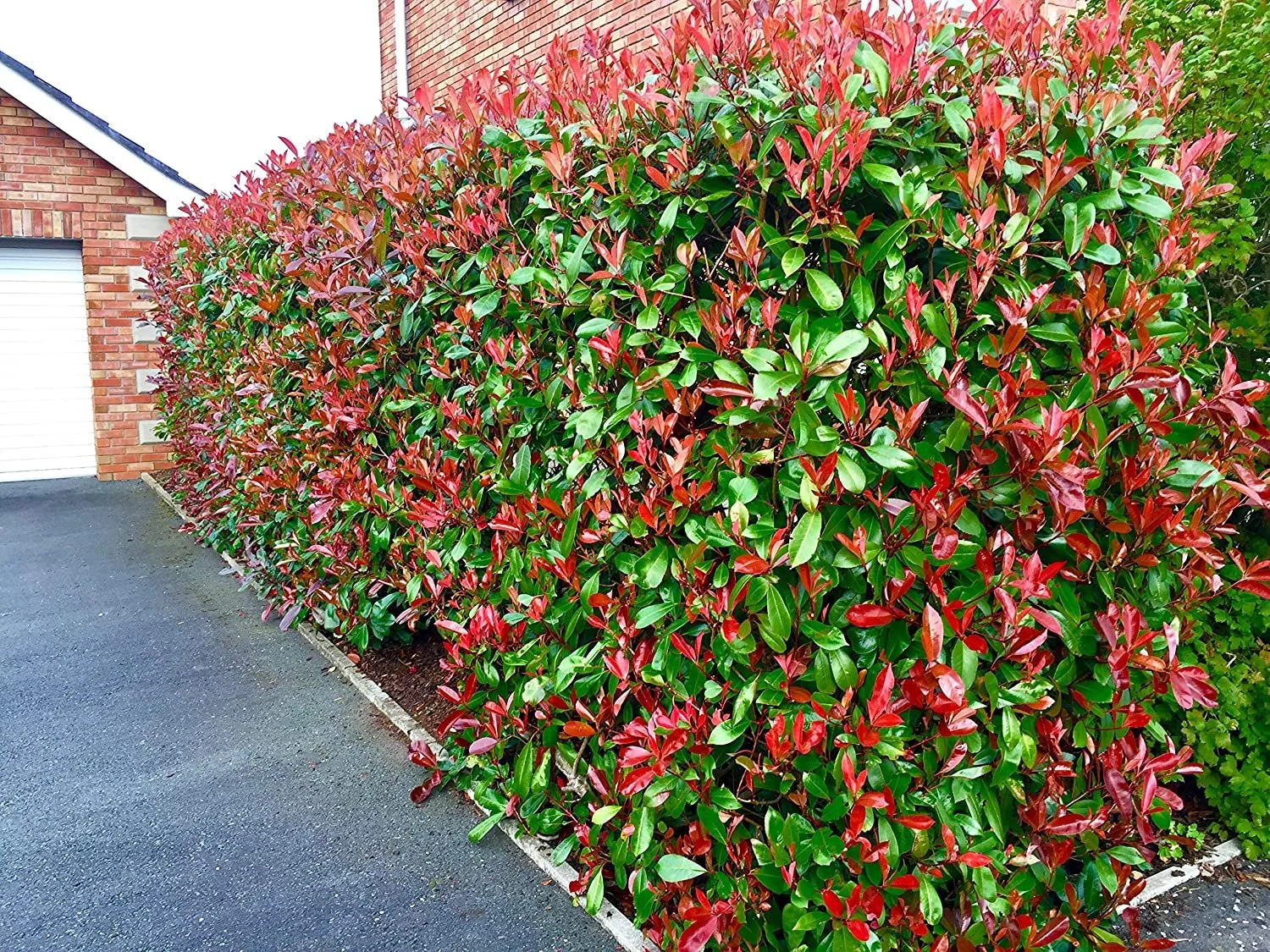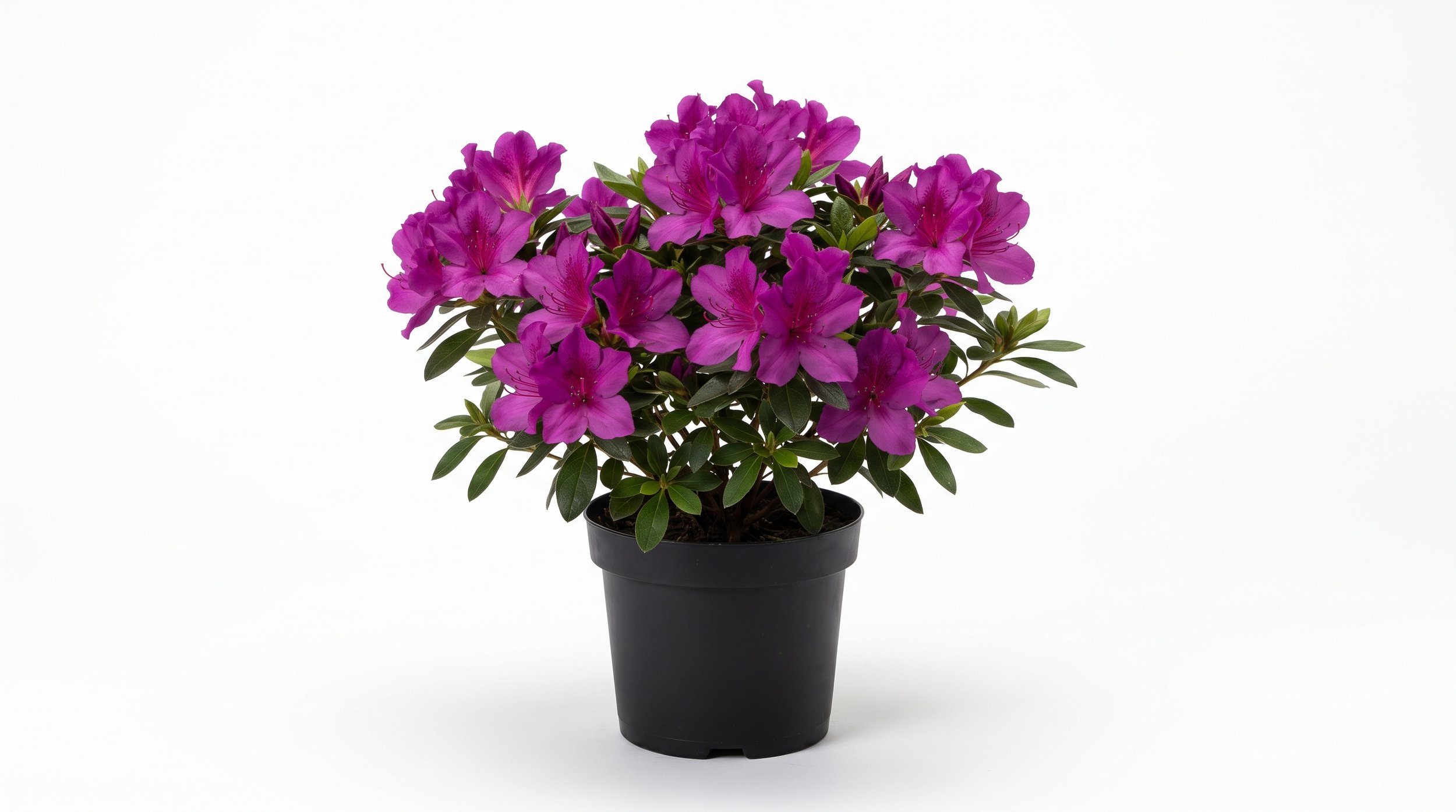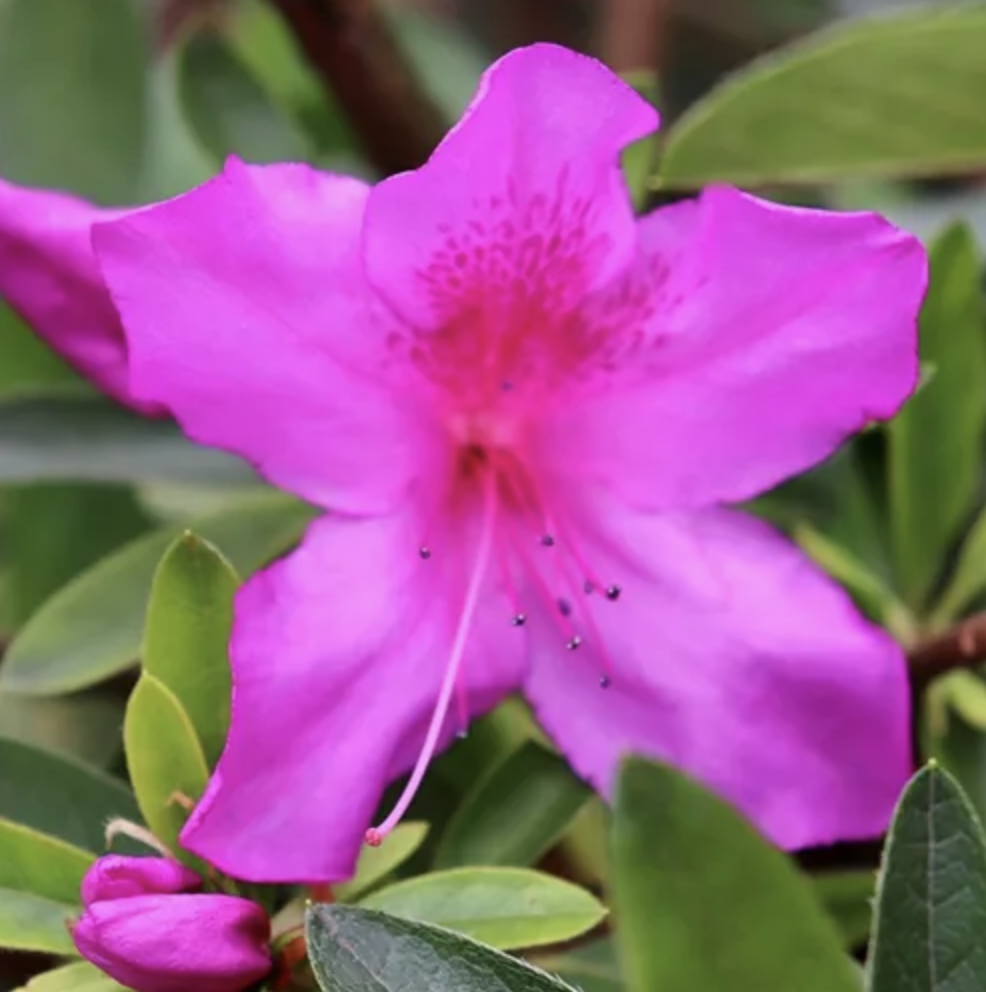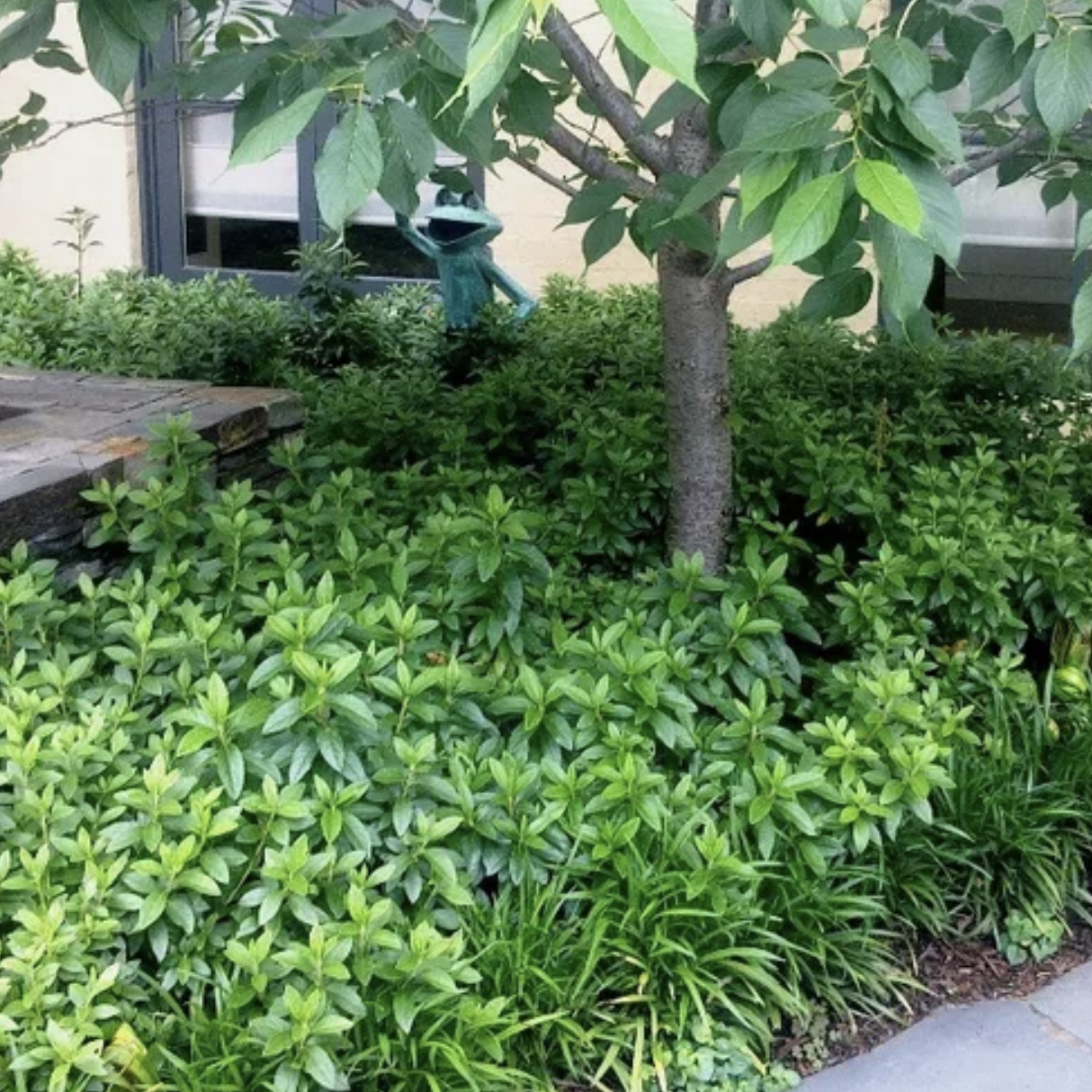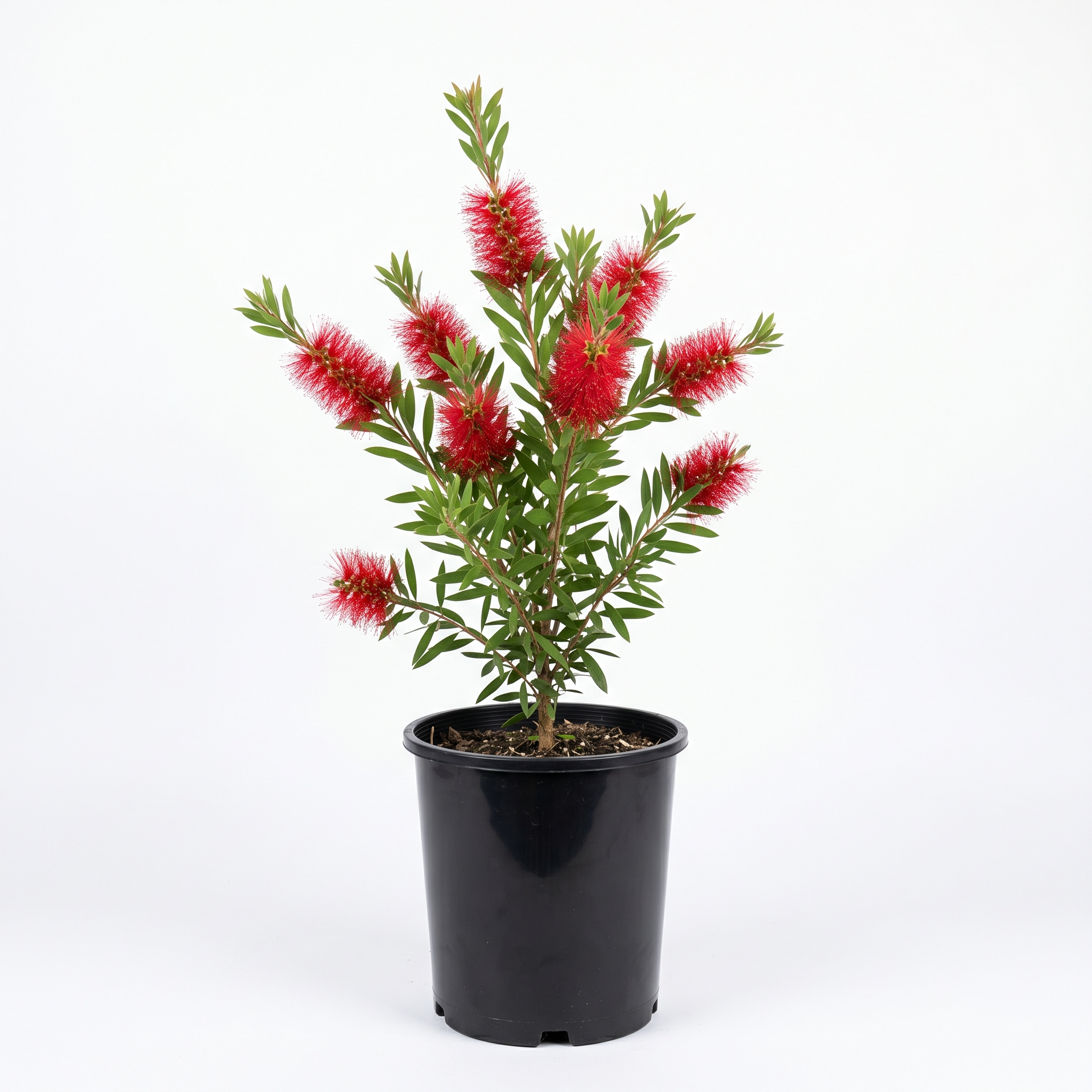
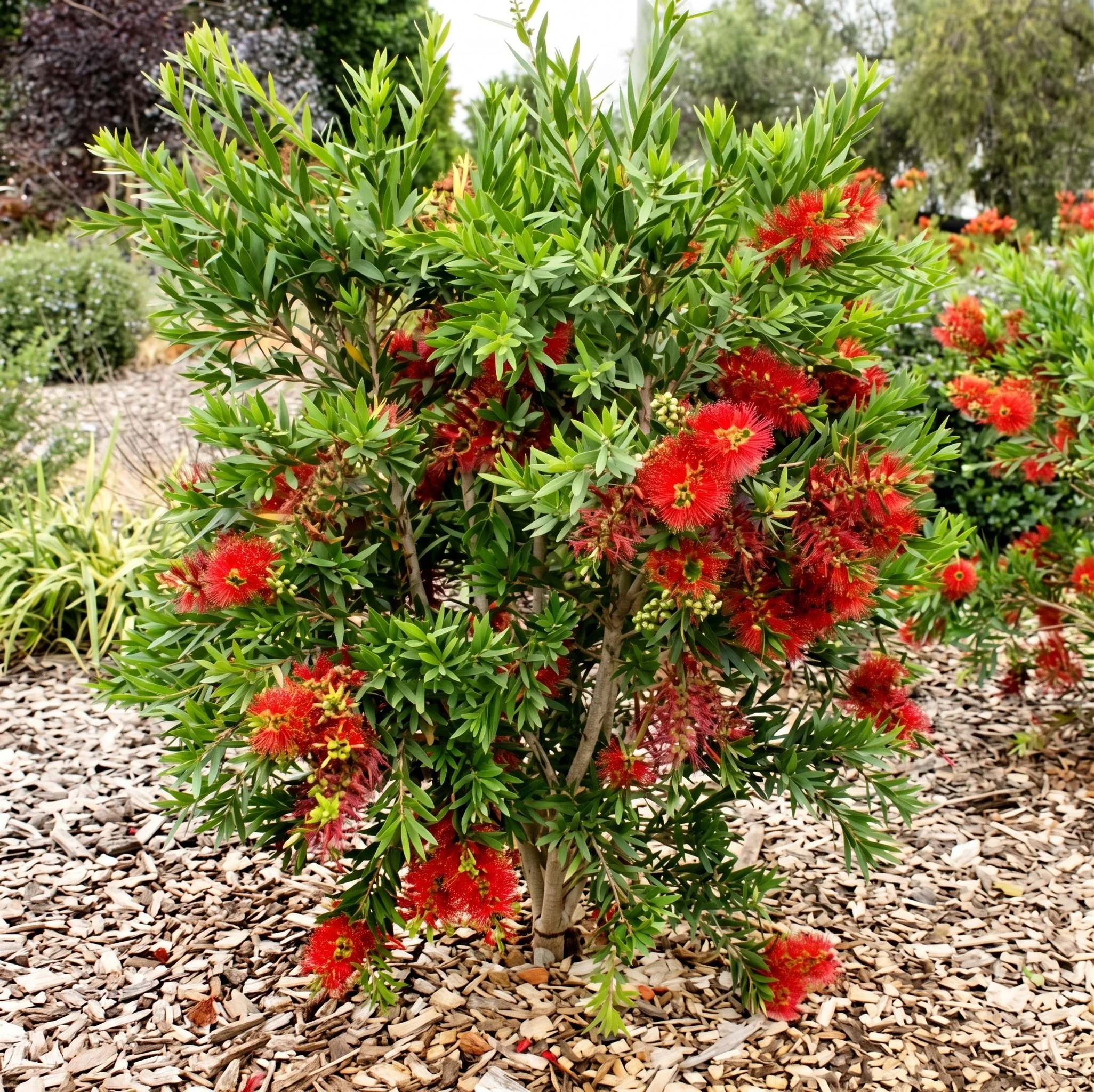
Callistemon 'Macarthur' is a compact, bushy bottlebrush with fresh green, weeping foliage and a naturally tidy shape. From spring into early summer it's covered in deep red flower spikes that draw nectar-feeding birds into the garden, with the occasional bonus flush in autumn. Hardy and adaptable, it tolerates light frost and copes well once established in Canberra conditions.
Mature size: 1.5–1.8m H x 1.5m W
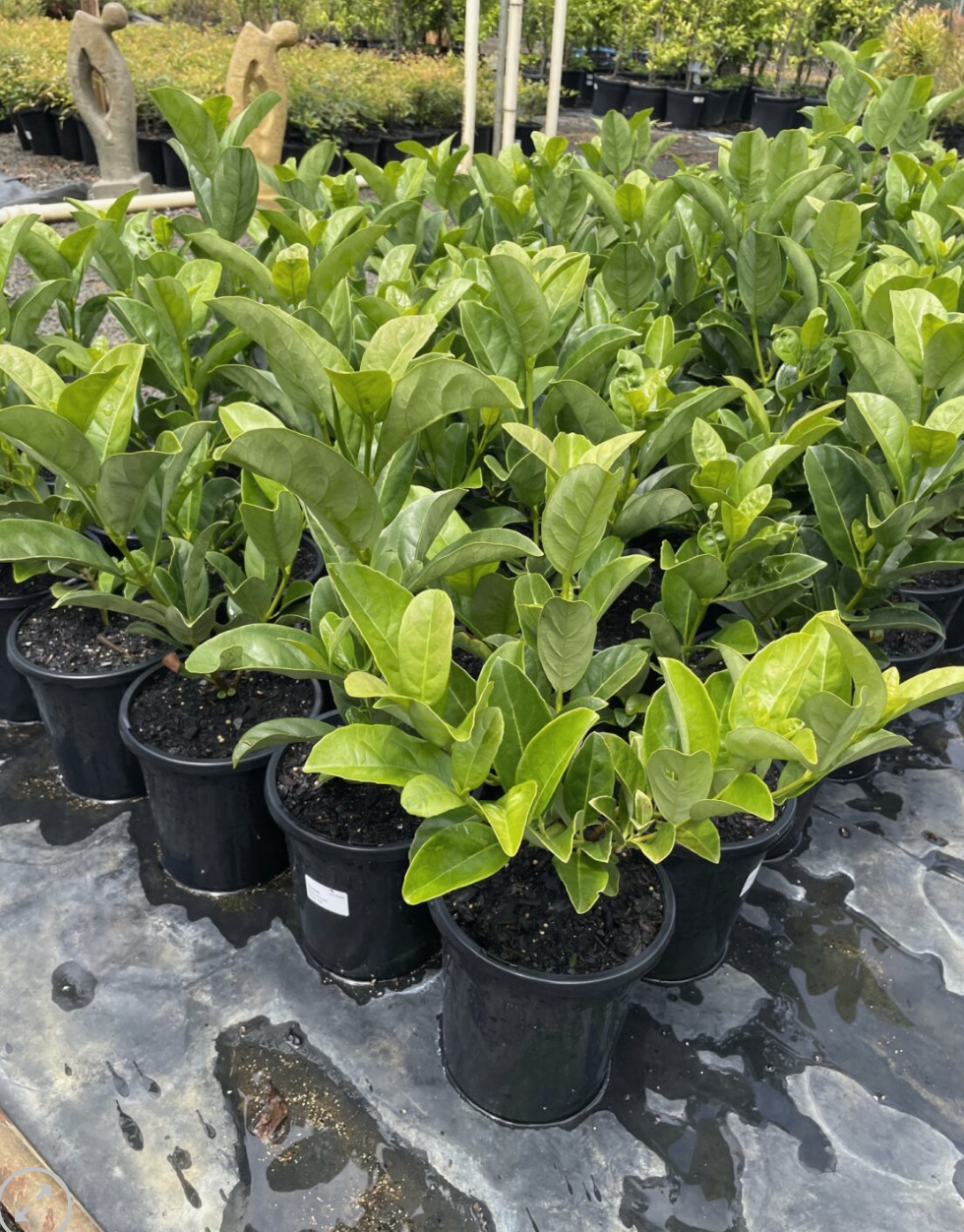
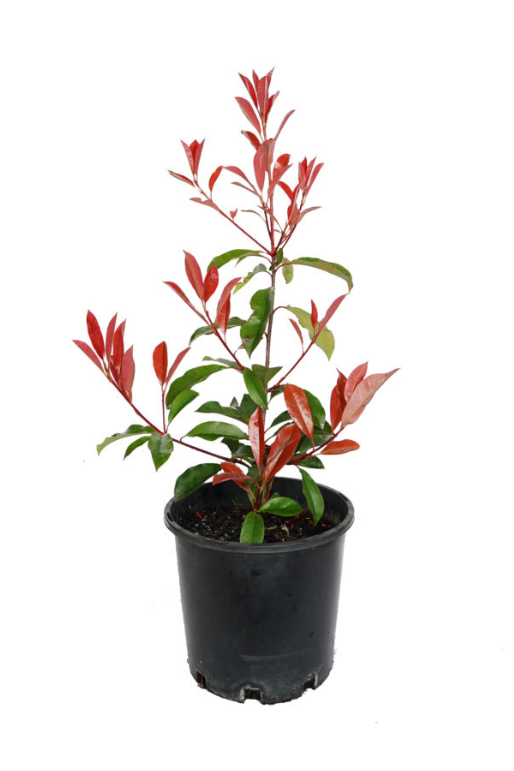
Foliage: fresh green, weeping, bushy and tidy
Flowers: deep red bottlebrush blooms, spring to early summer (spot flowering in autumn)
Growth habit: compact, weeping, bushy shrub
Position: full sun to part shade; adaptable to most soil types, best in moist, well-drained soil
Climate: tolerates light frost, drought tolerant once established
Water needs: water well for the first 8–13 weeks to establish; drought tolerant once mature
Maintenance: low; prune after flowering (1–3 times a year) to shape and encourage denser, more prolific blooms
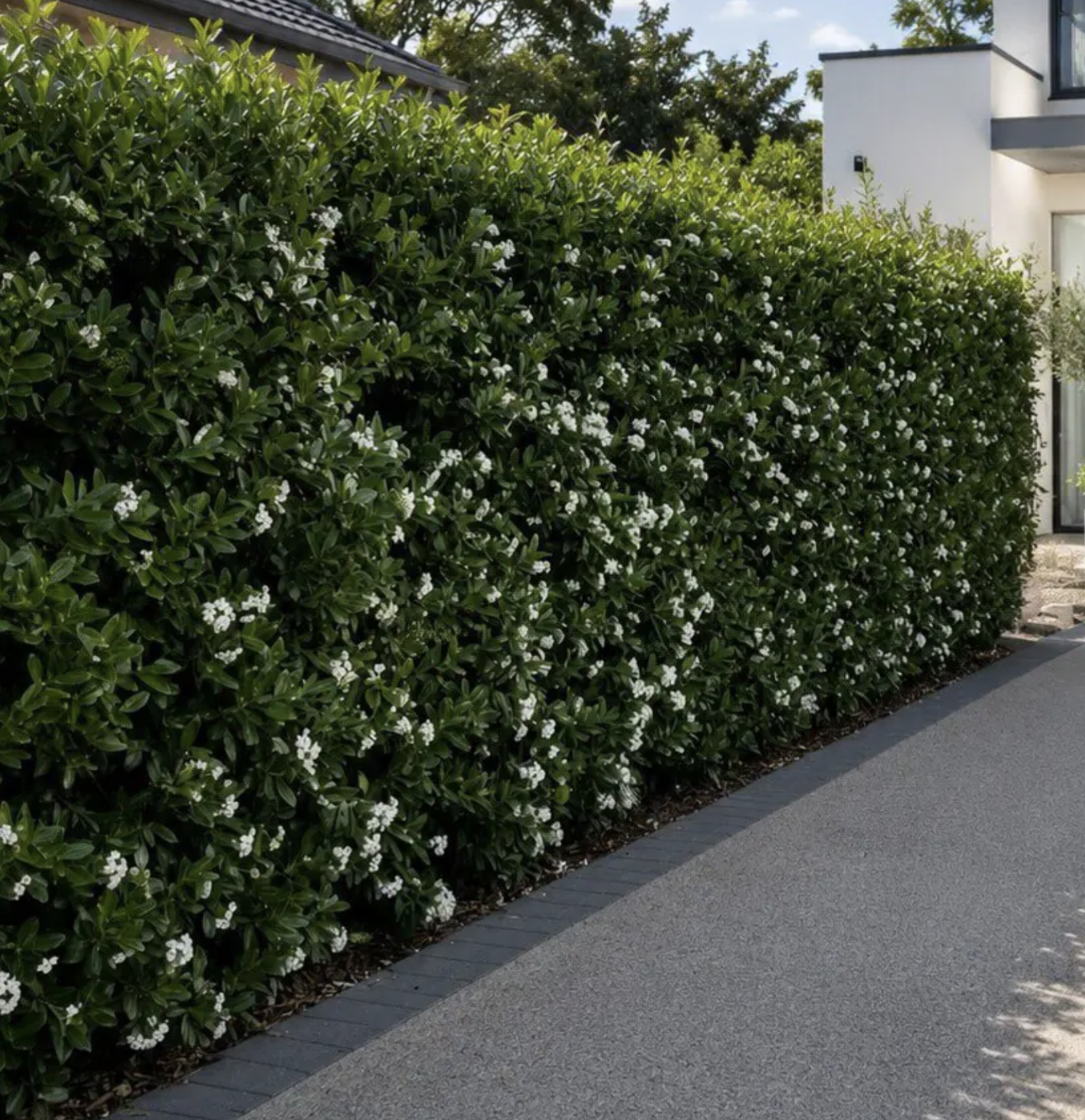
Ideal for: hedging, specimen planting, street planting, bird-attracting native gardens
Callistemon 'Macarthur' is a compact, bushy bottlebrush with fresh green, weeping foliage and a naturally tidy shape. From spring into early summer it's covered in deep red flower spikes that draw nectar-feeding birds into the garden, with the occasional bonus flush in autumn. Hardy and adaptable, it tolerates light frost and copes well once established in Canberra conditions.
Mature size: 1.5–1.8m H x 1.5m W
Foliage: fresh green, weeping, bushy and tidy
Flowers: deep red bottlebrush blooms, spring to early summer (spot flowering in autumn)
Growth habit: compact, weeping, bushy shrub
Position: full sun to part shade; adaptable to most soil types, best in moist, well-drained soil
Climate: tolerates light frost, drought tolerant once established
Water needs: water well for the first 8–13 weeks to establish; drought tolerant once mature
Maintenance: low; prune after flowering (1–3 times a year) to shape and encourage denser, more prolific blooms
Ideal for: hedging, specimen planting, street planting, bird-attracting native gardens