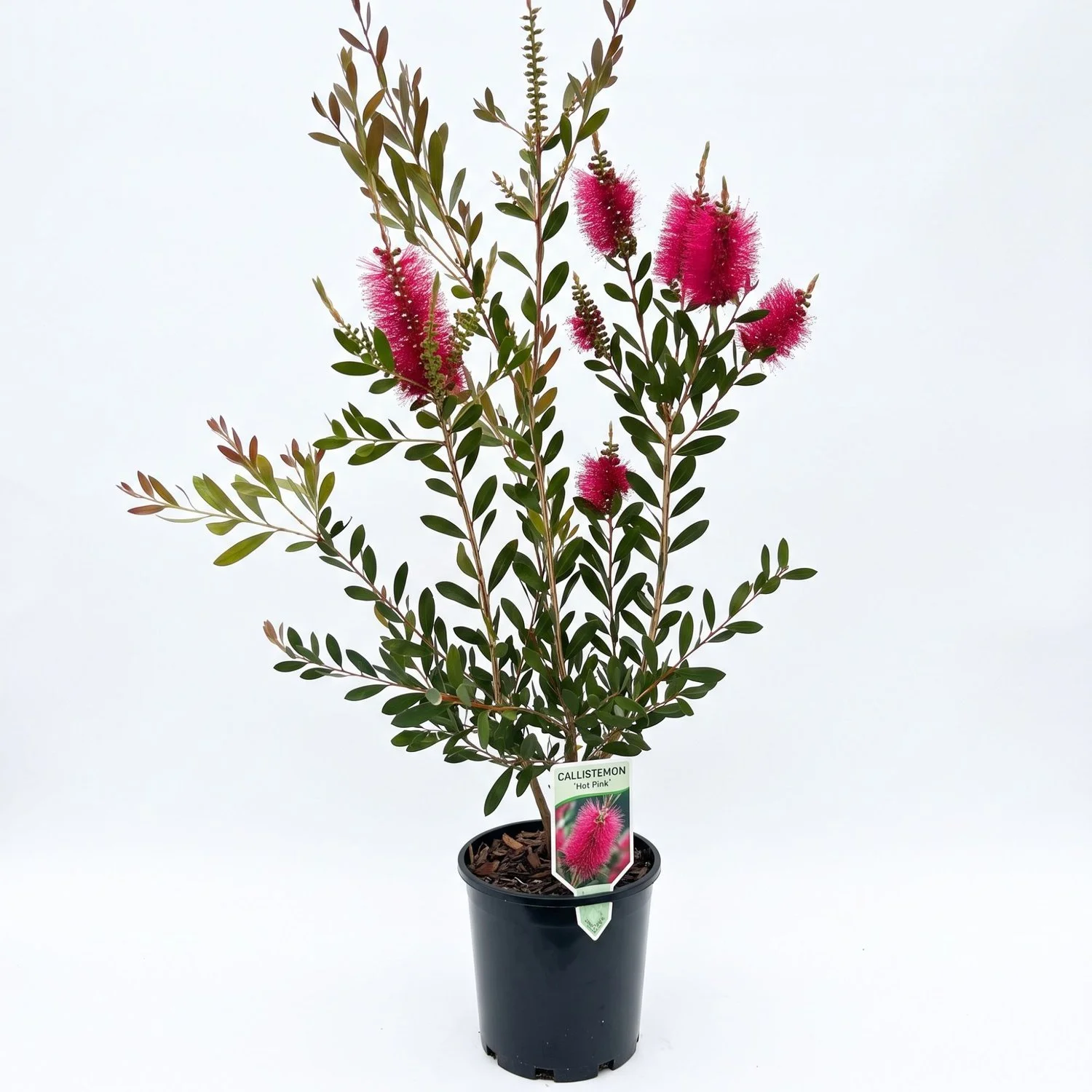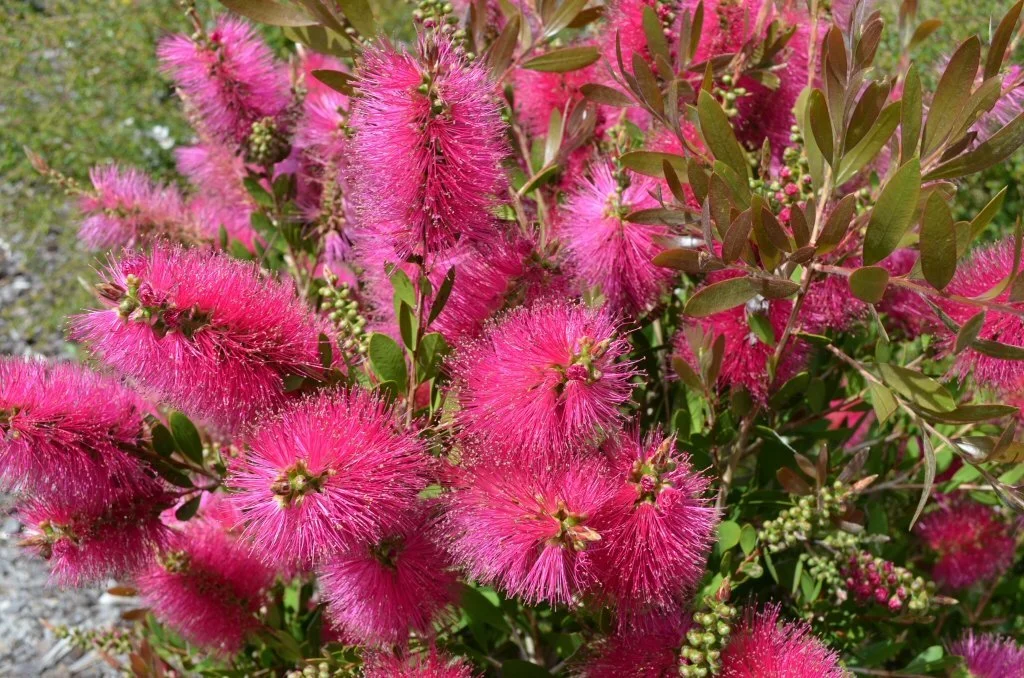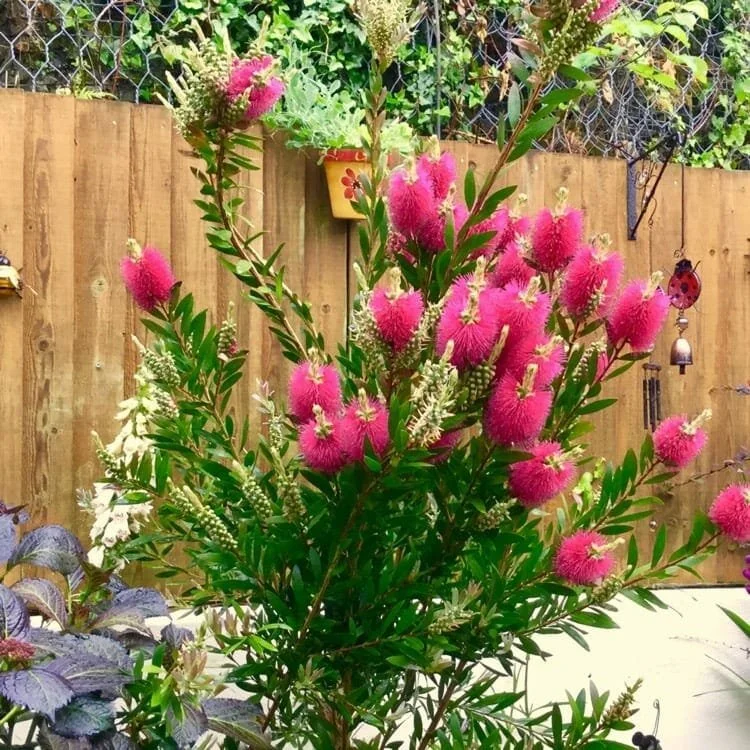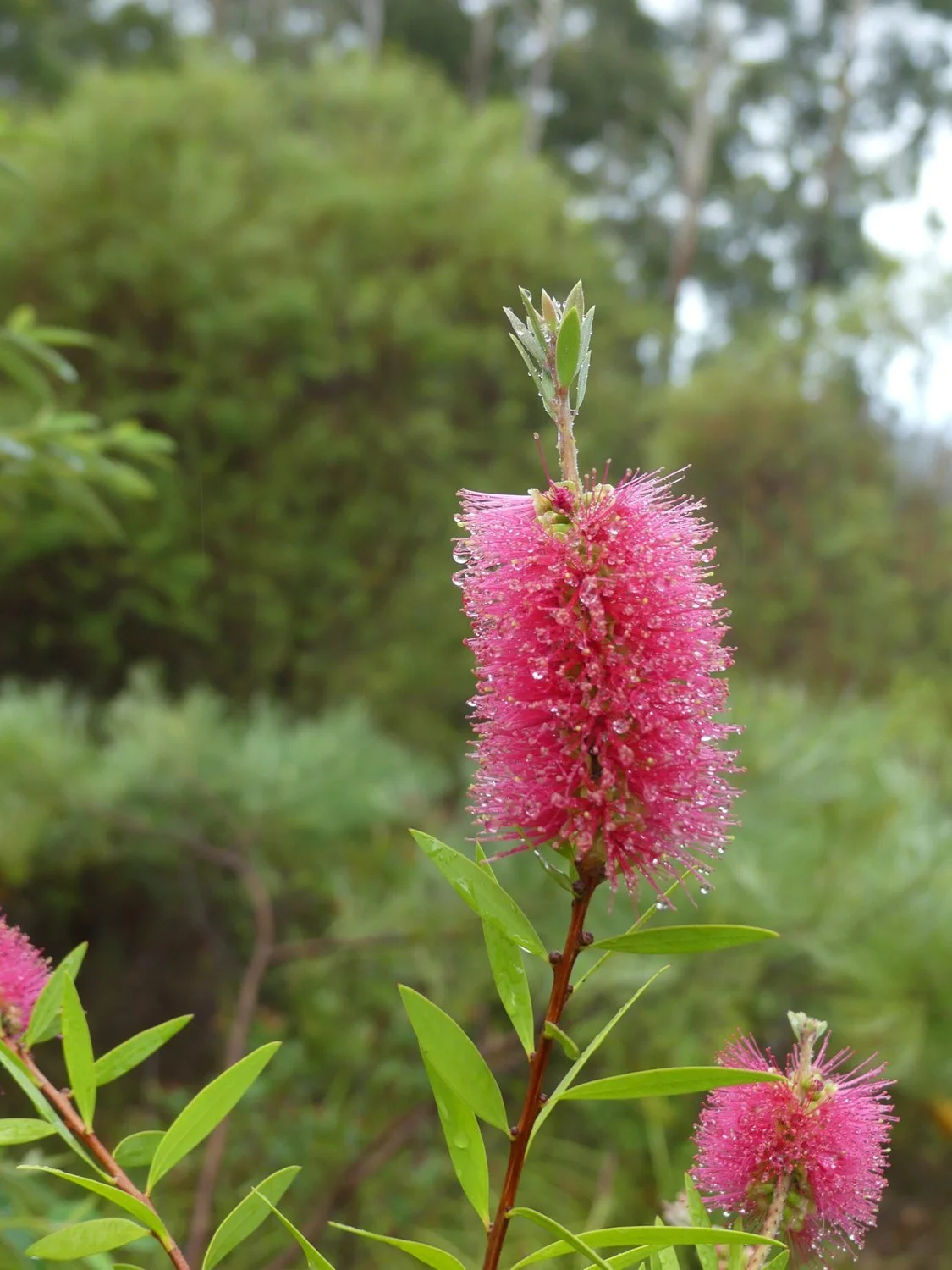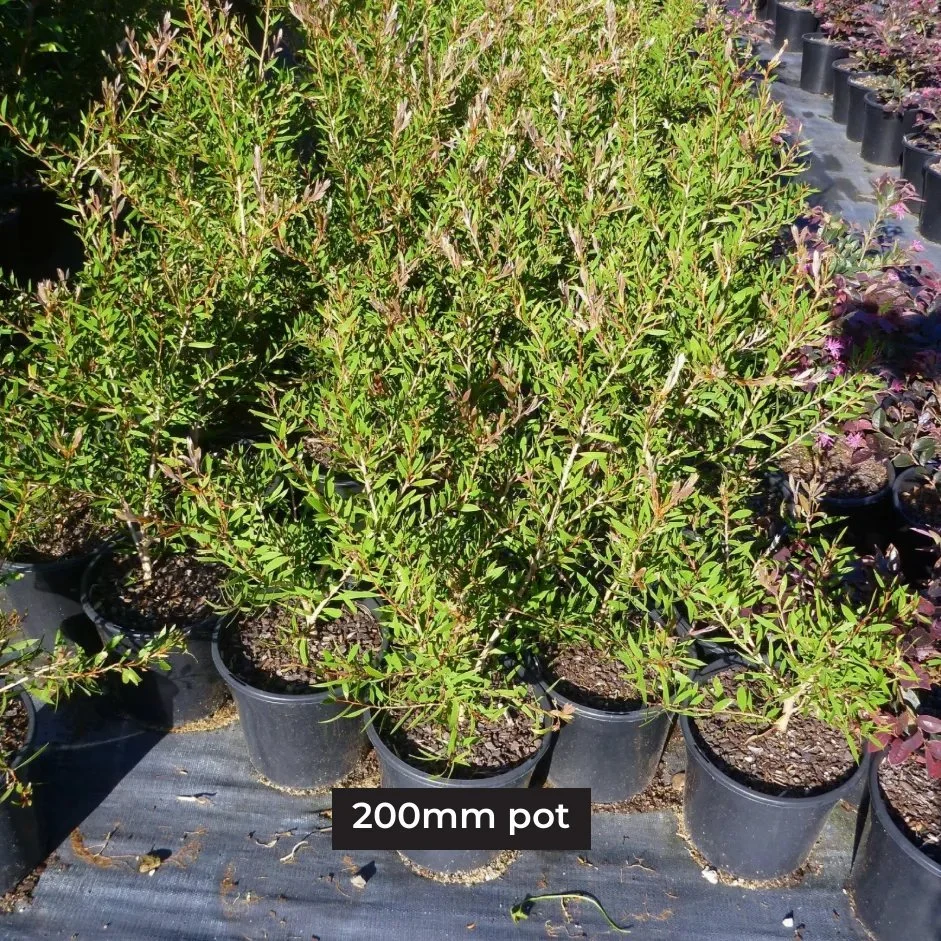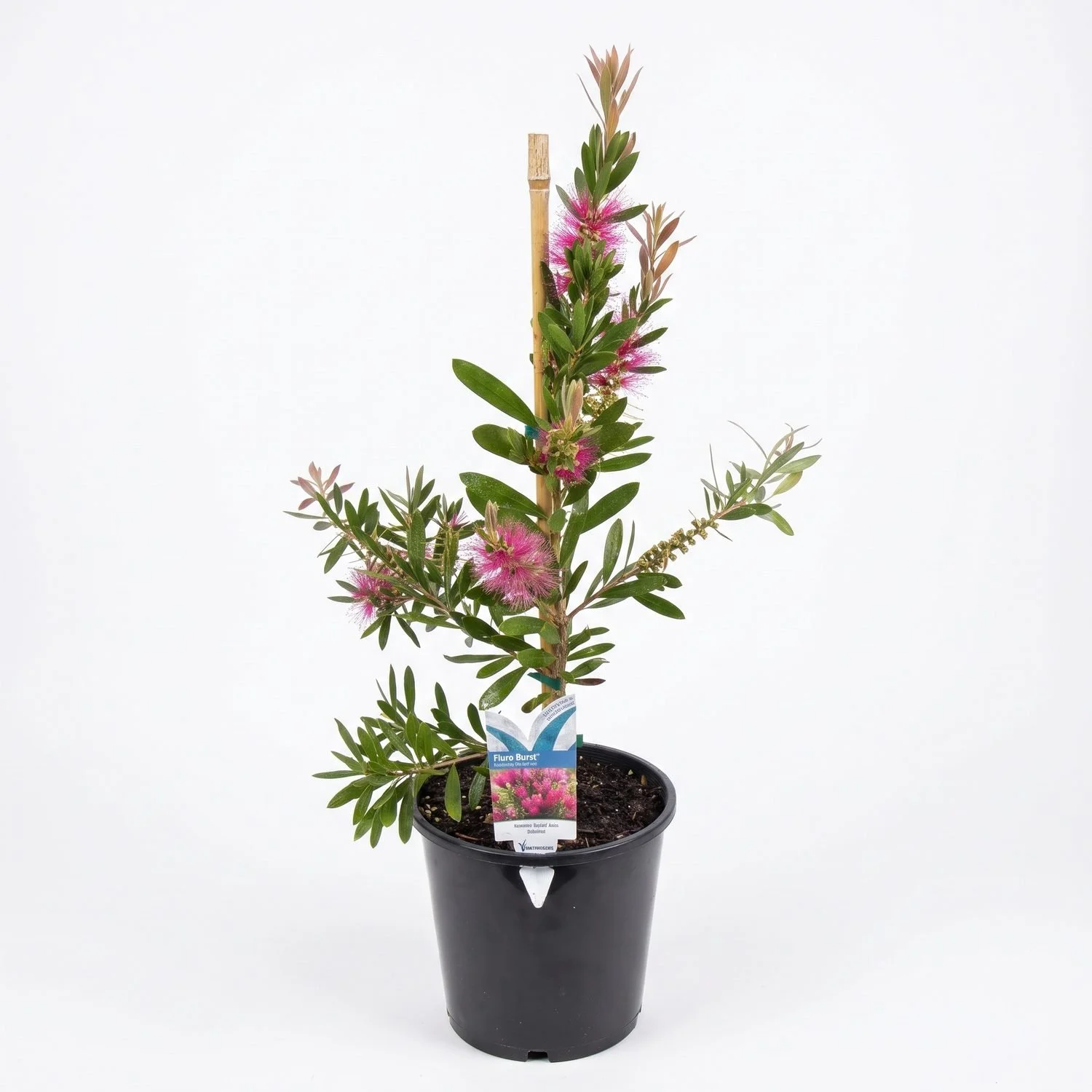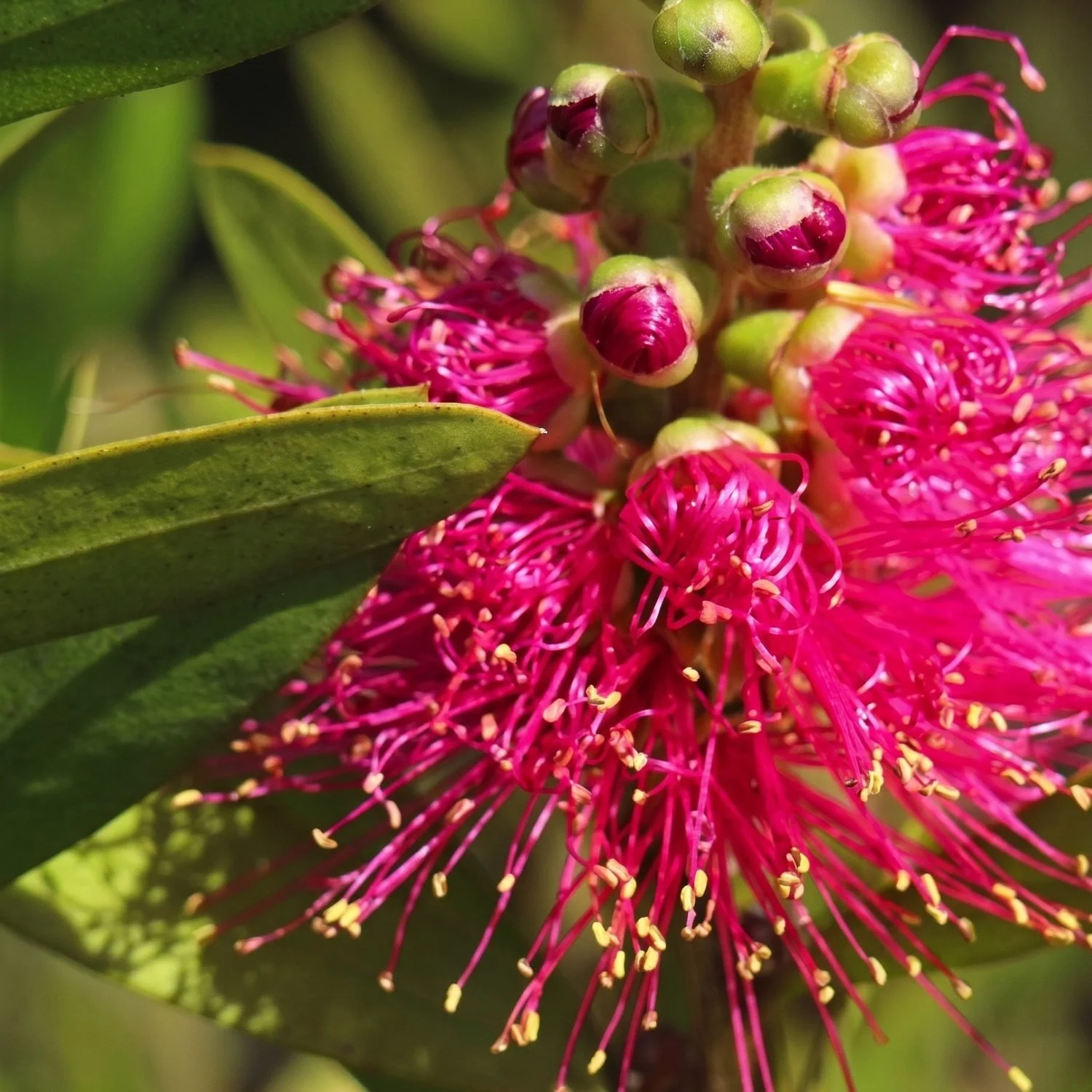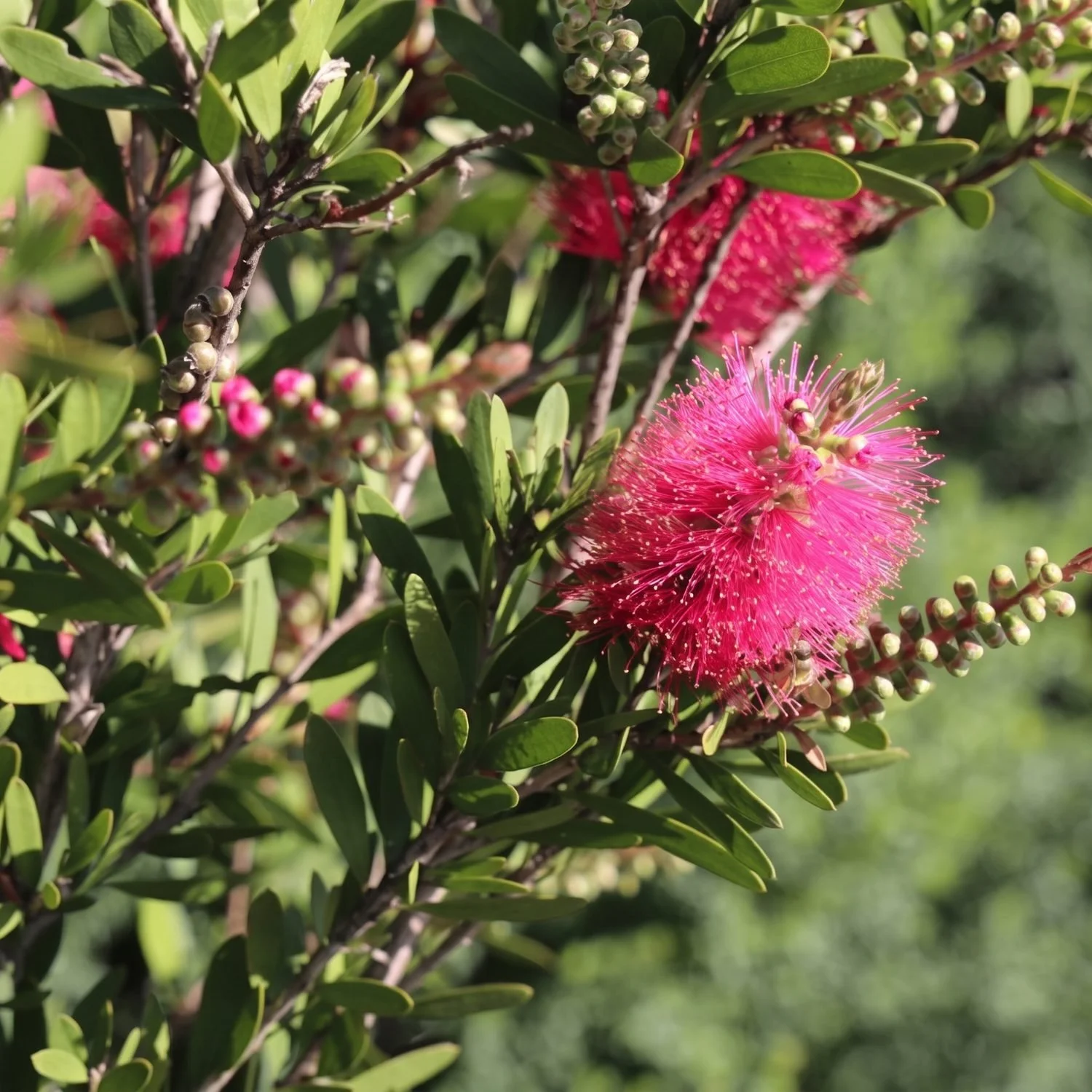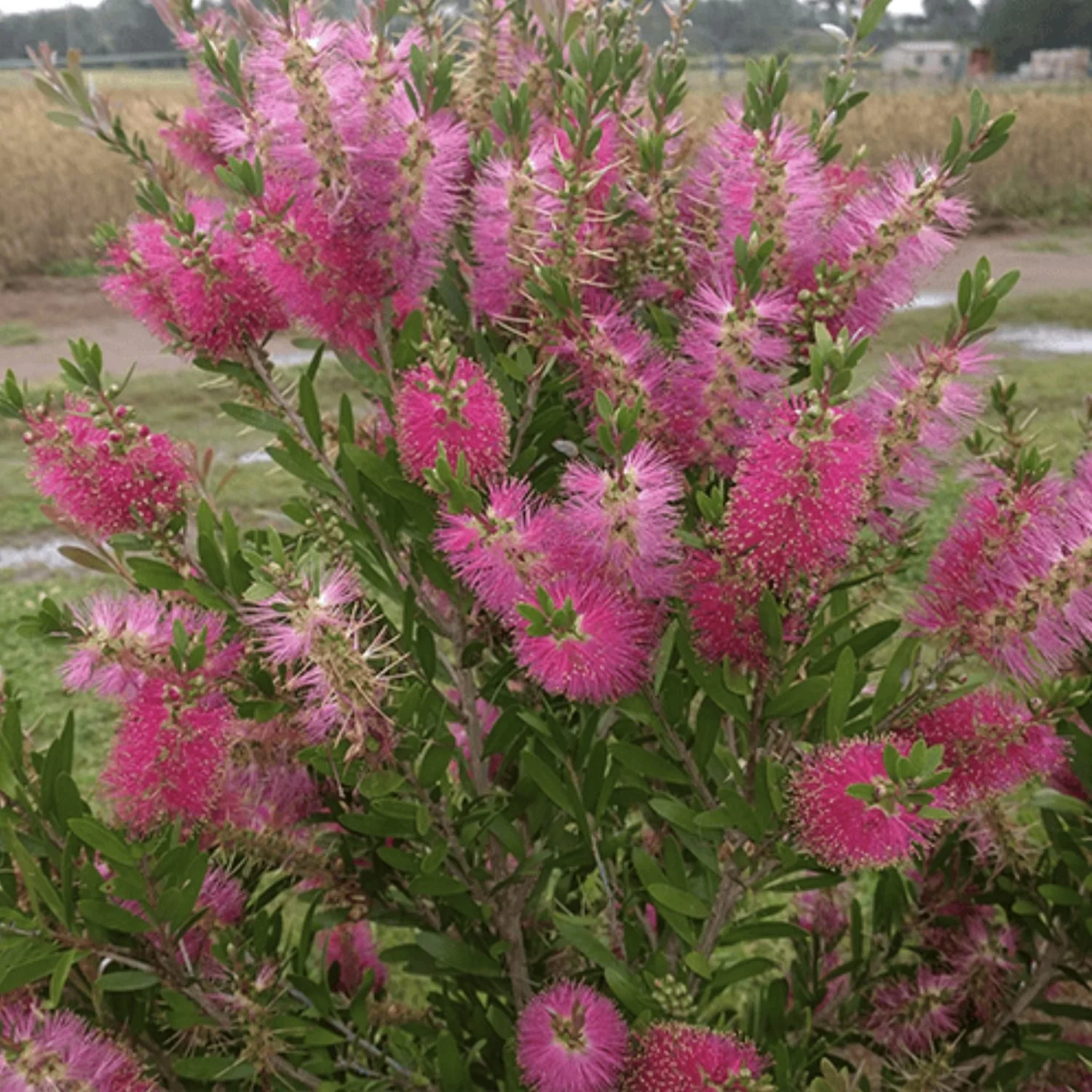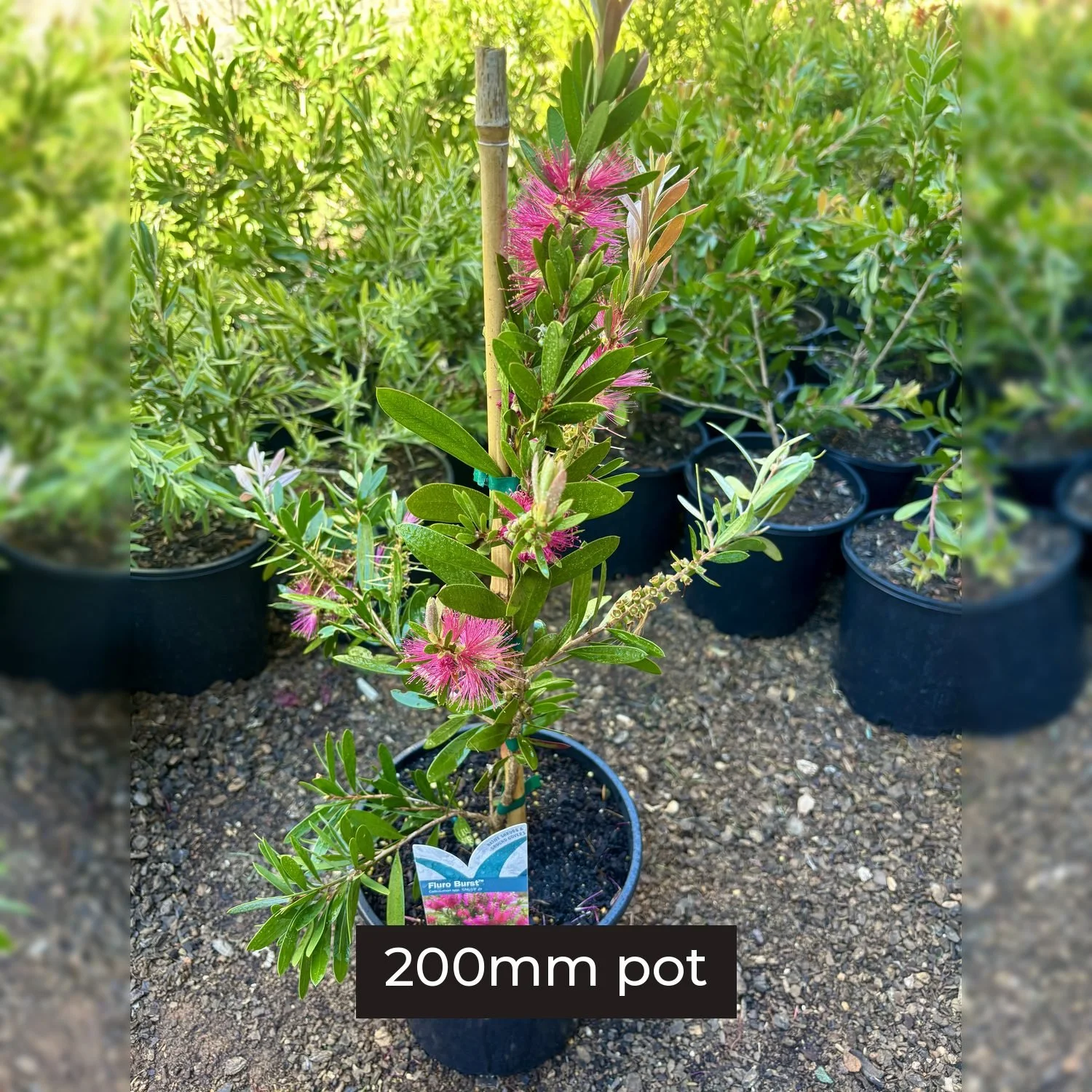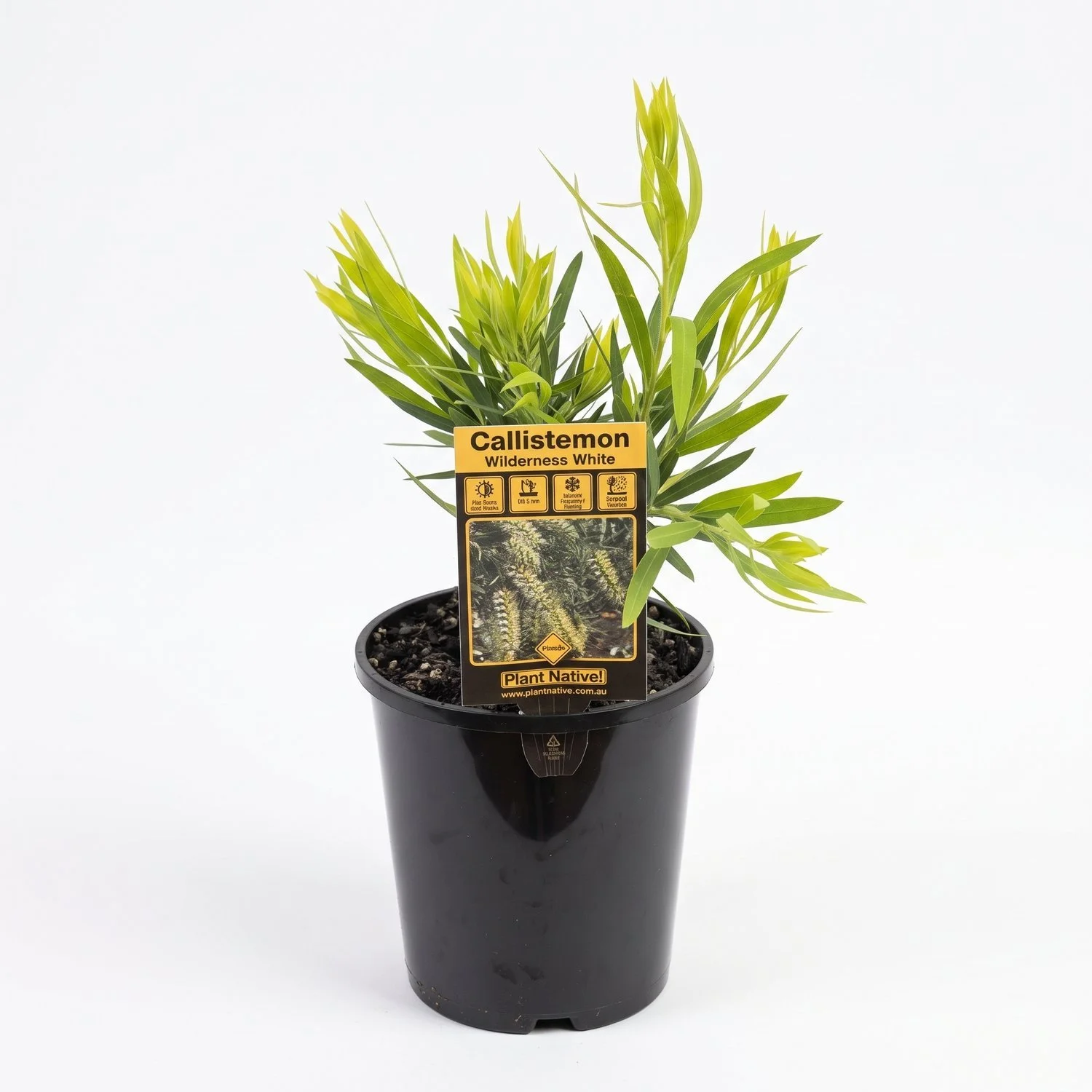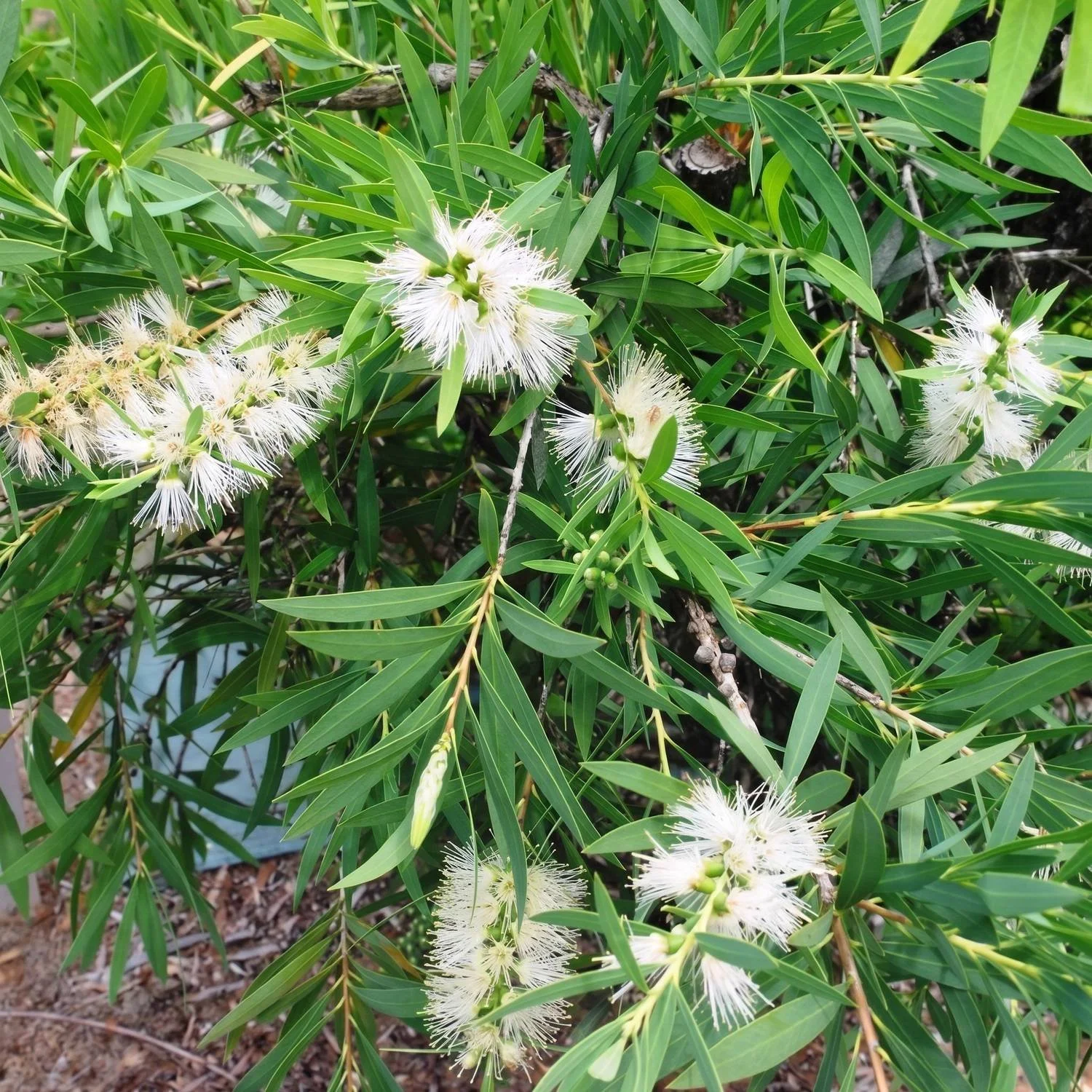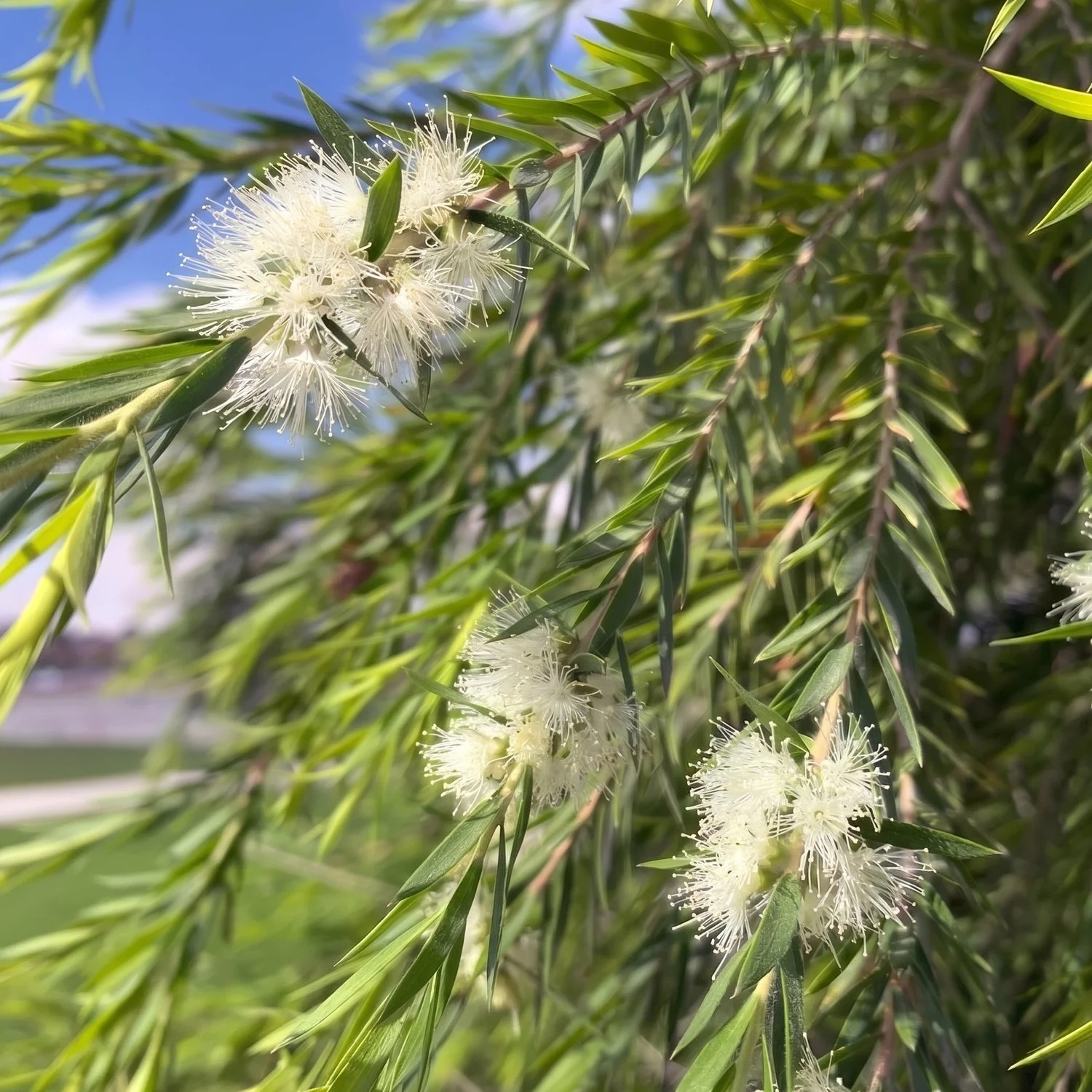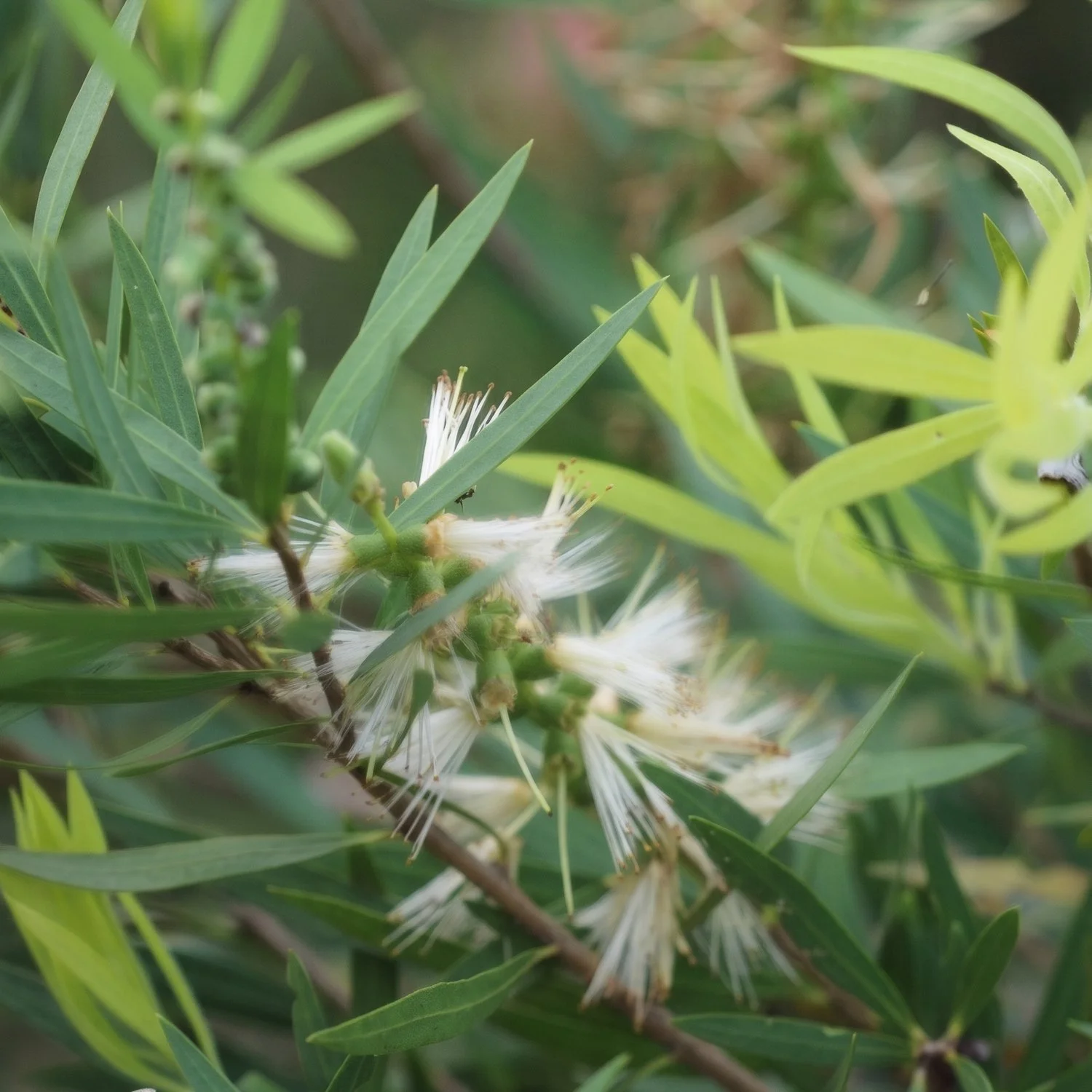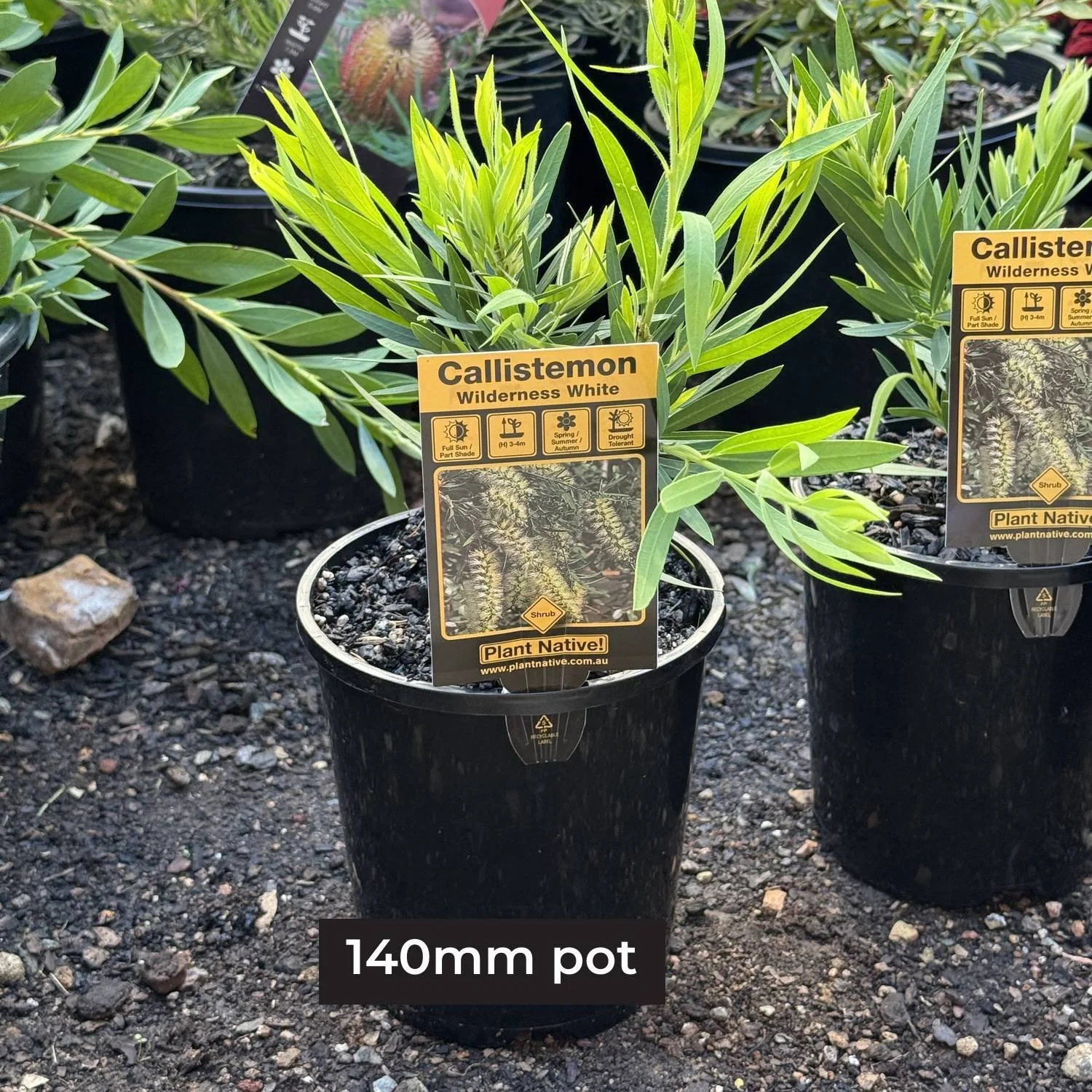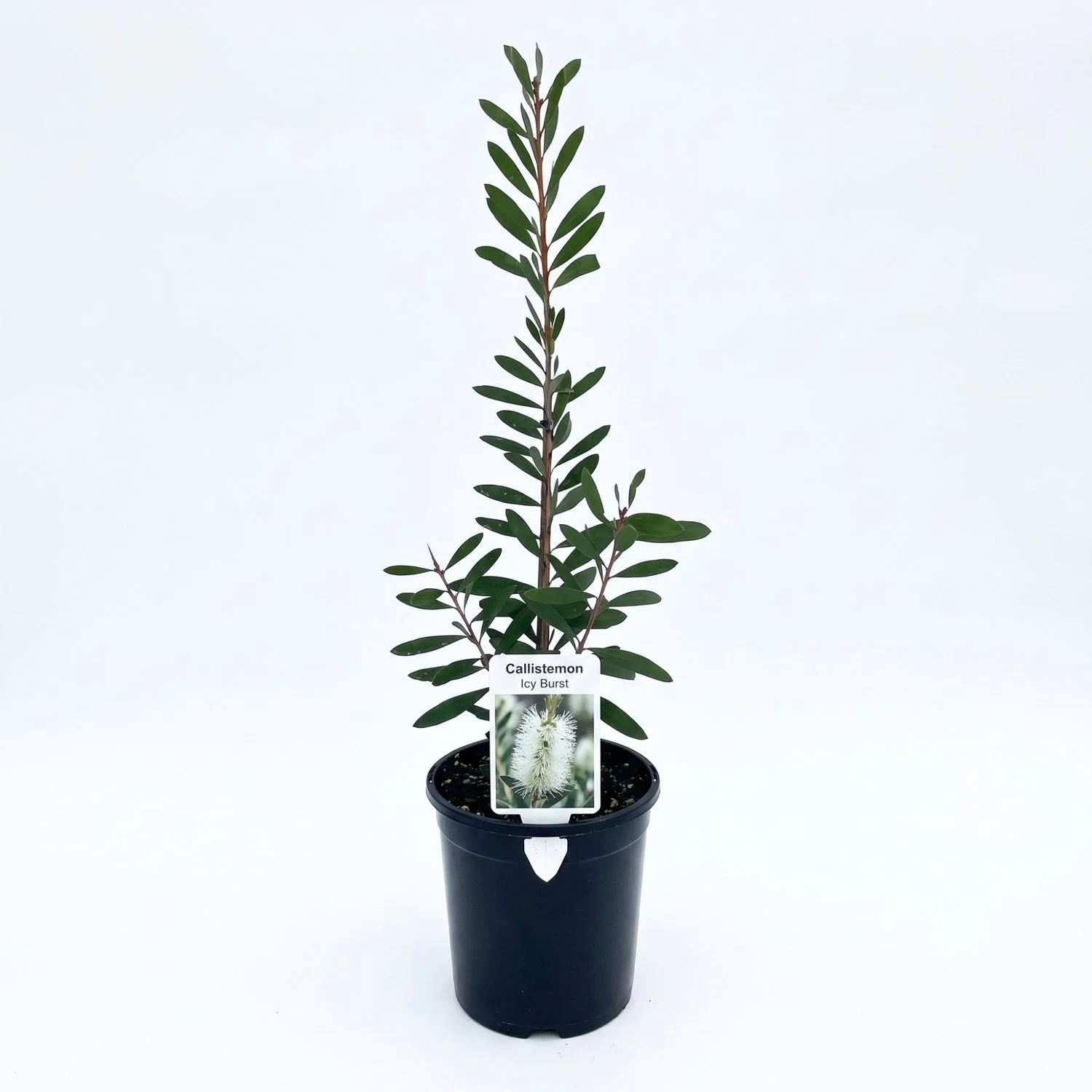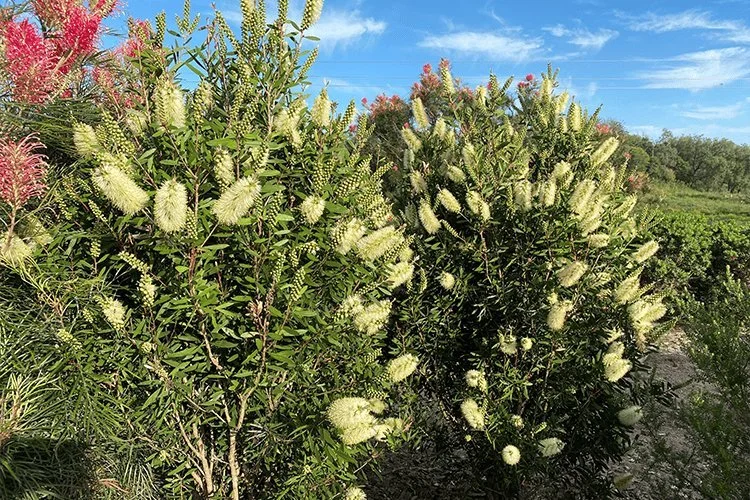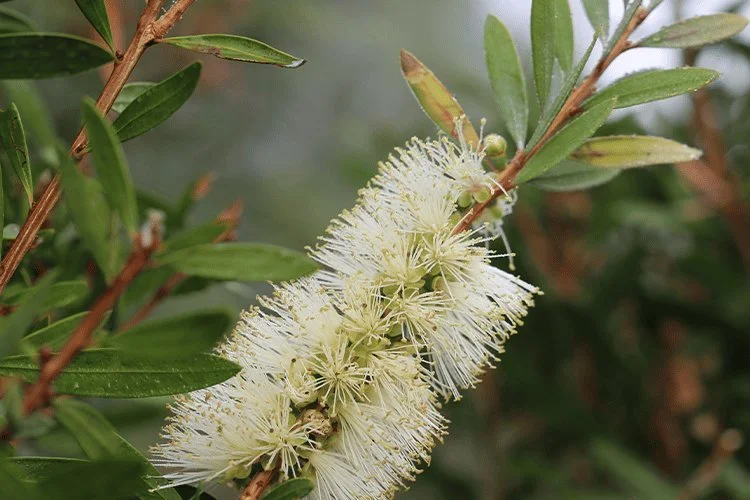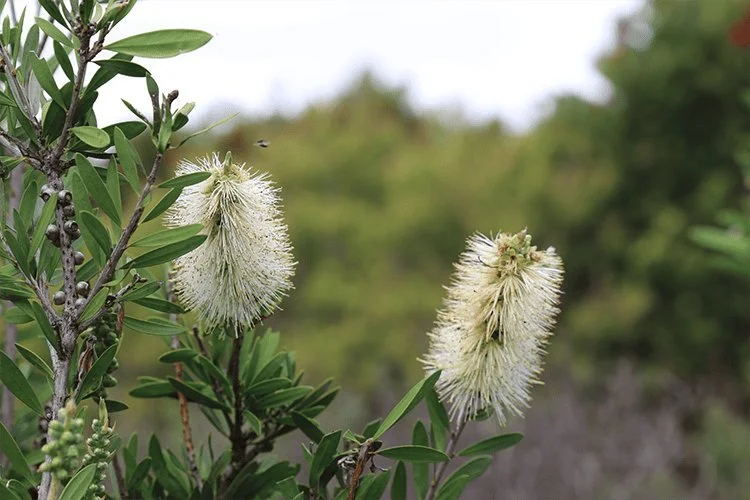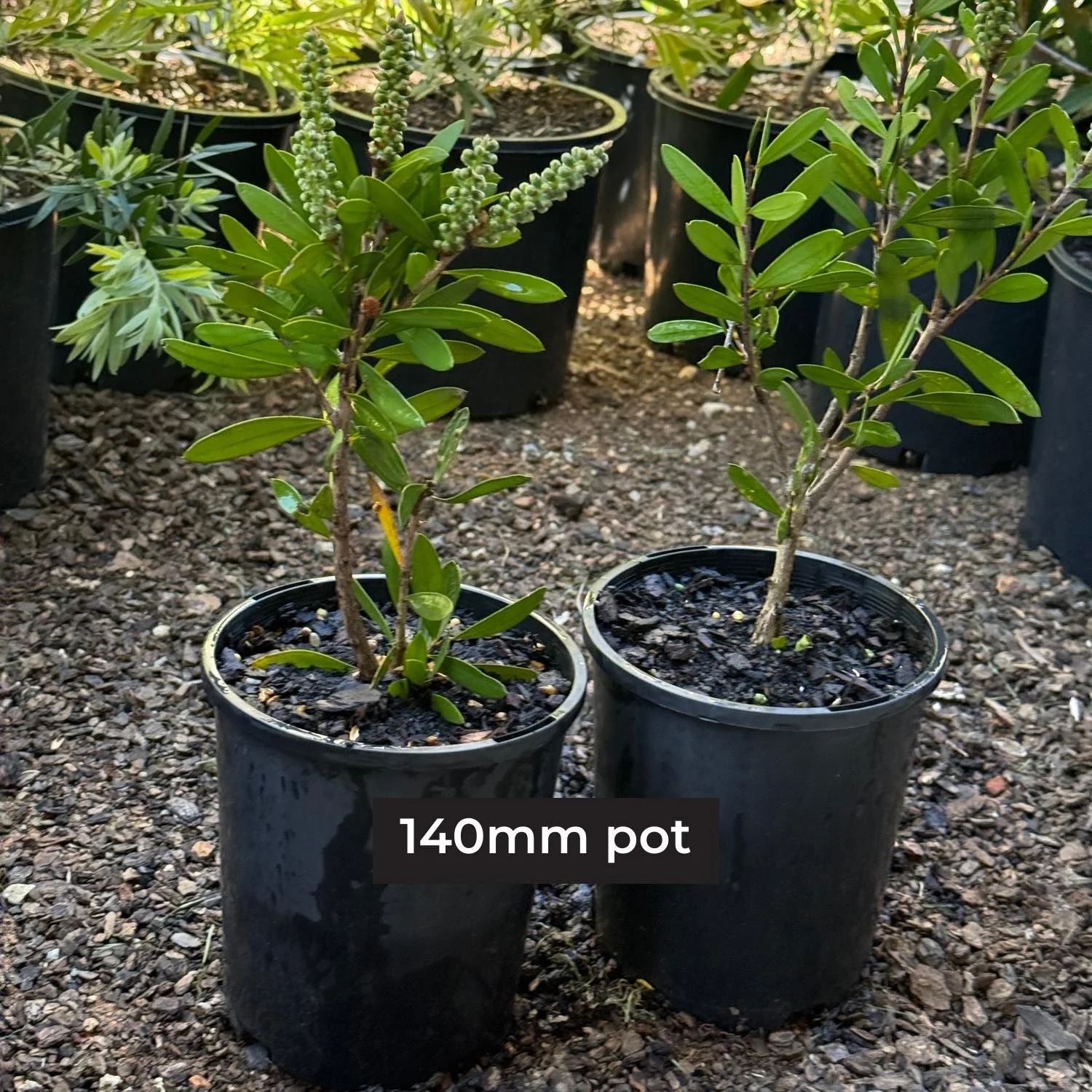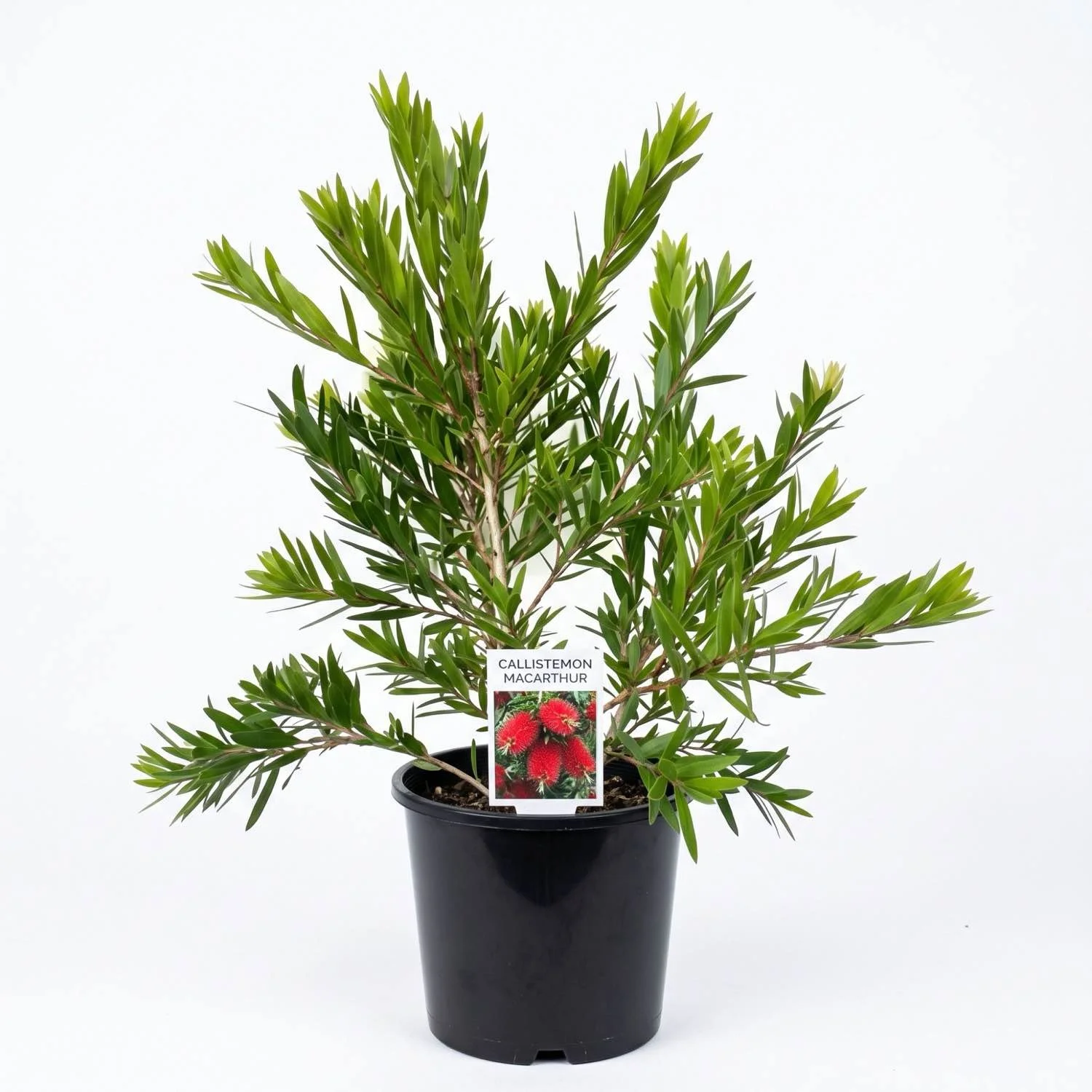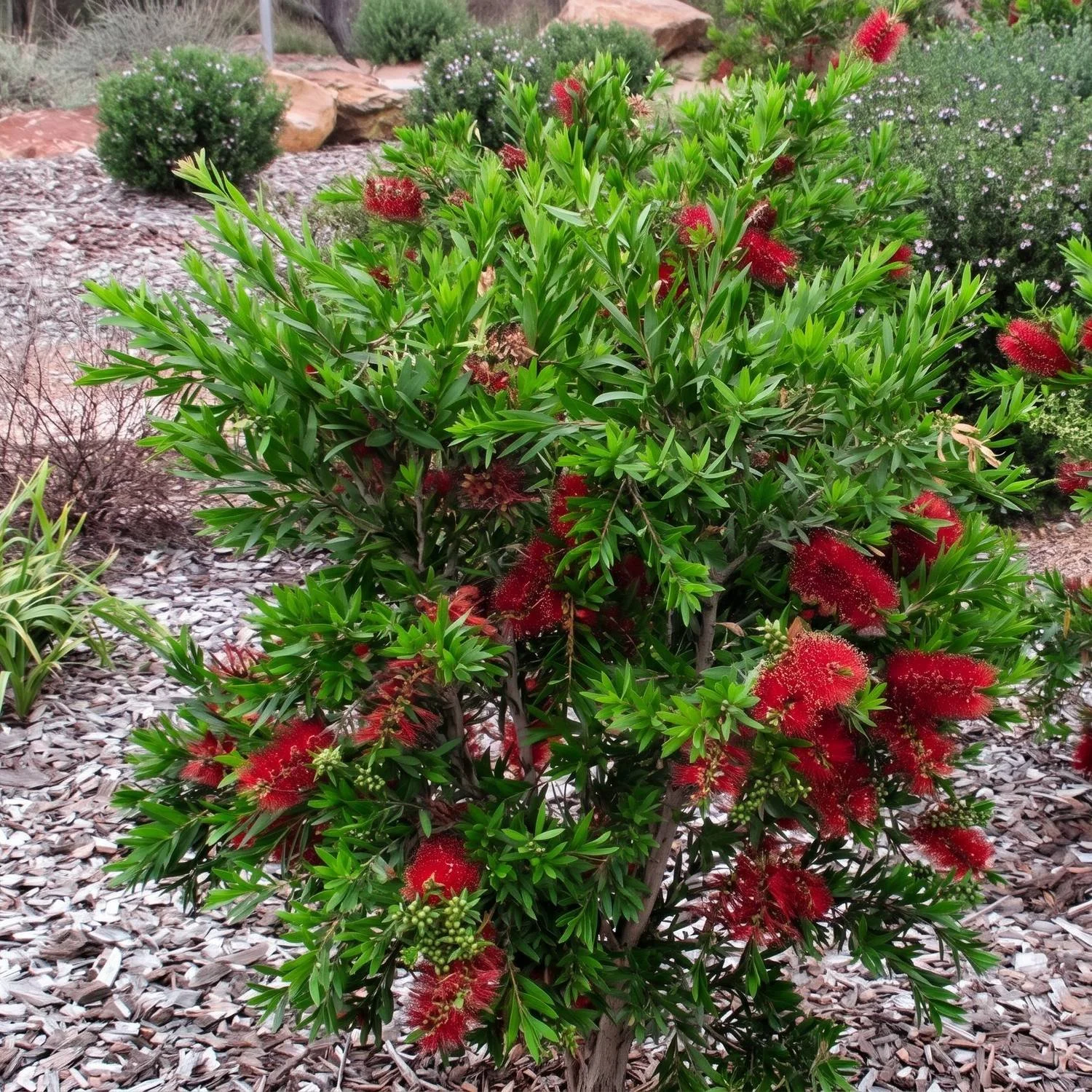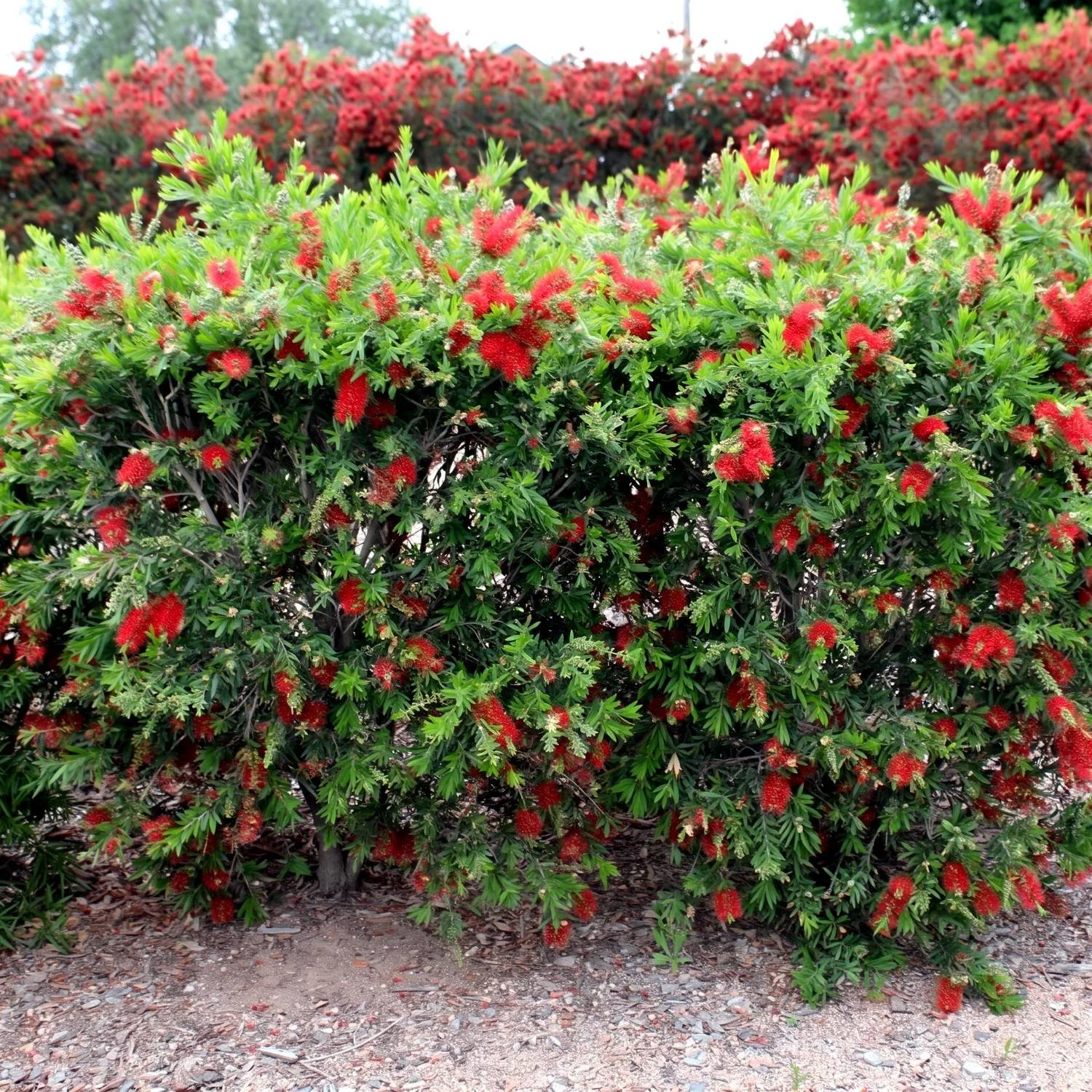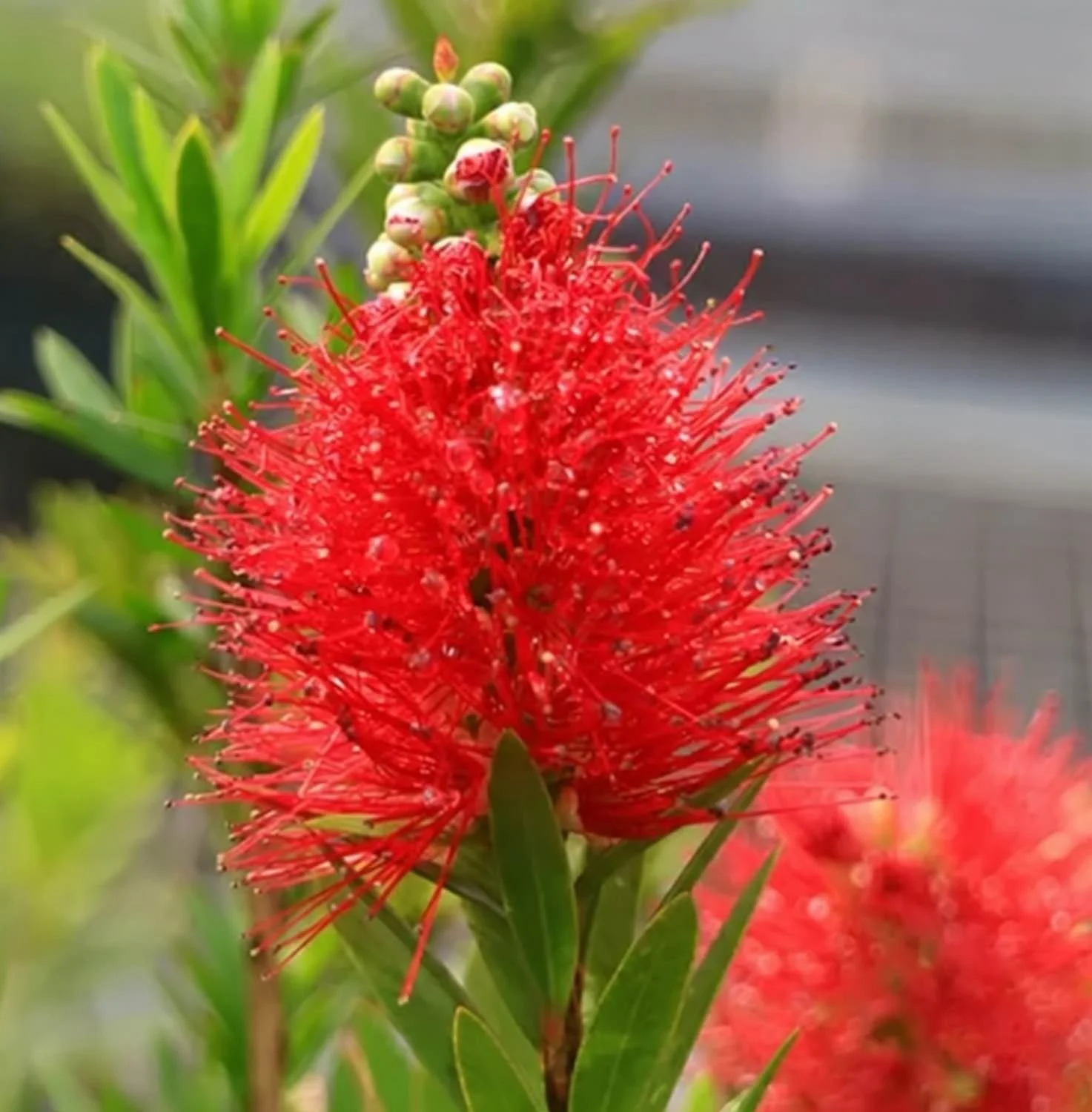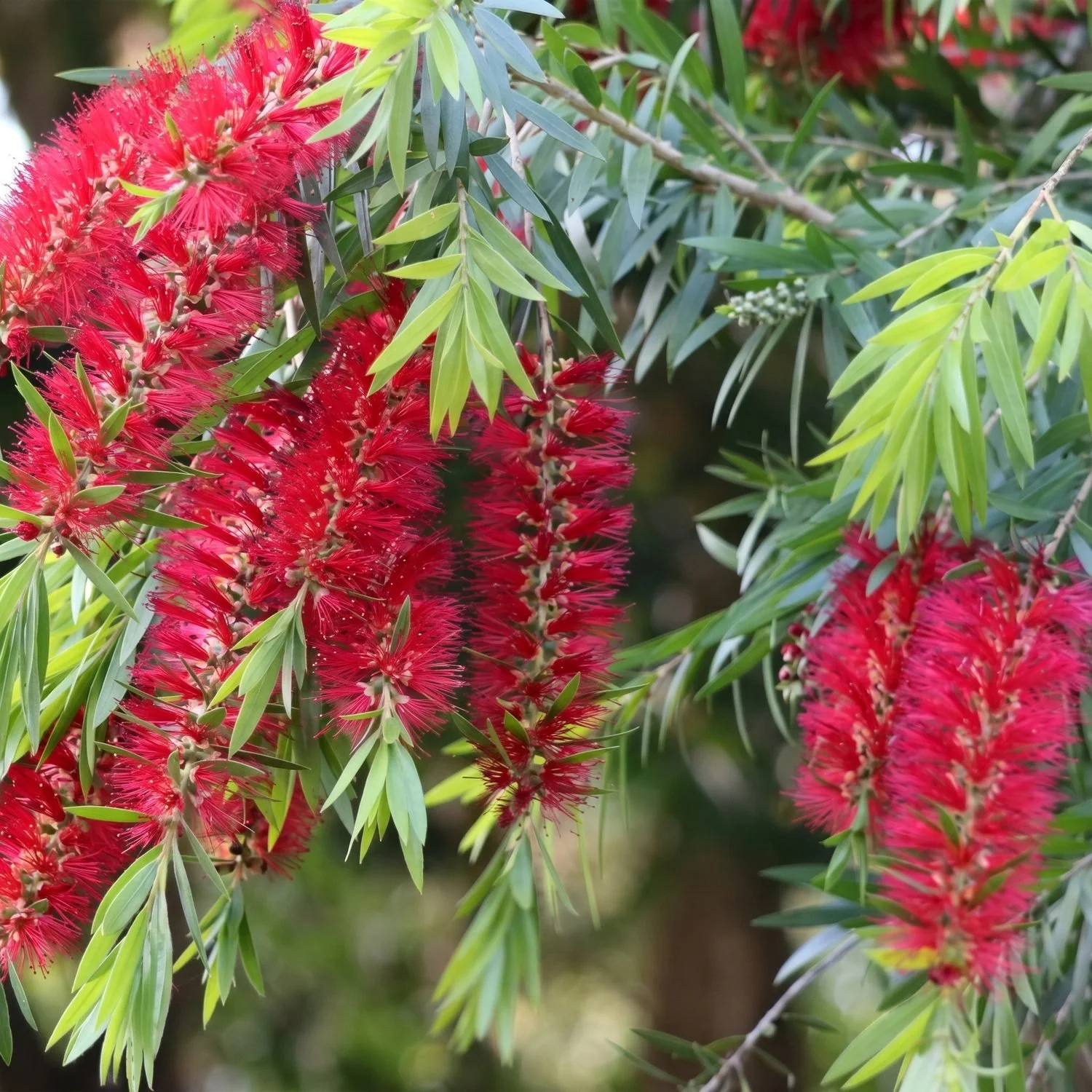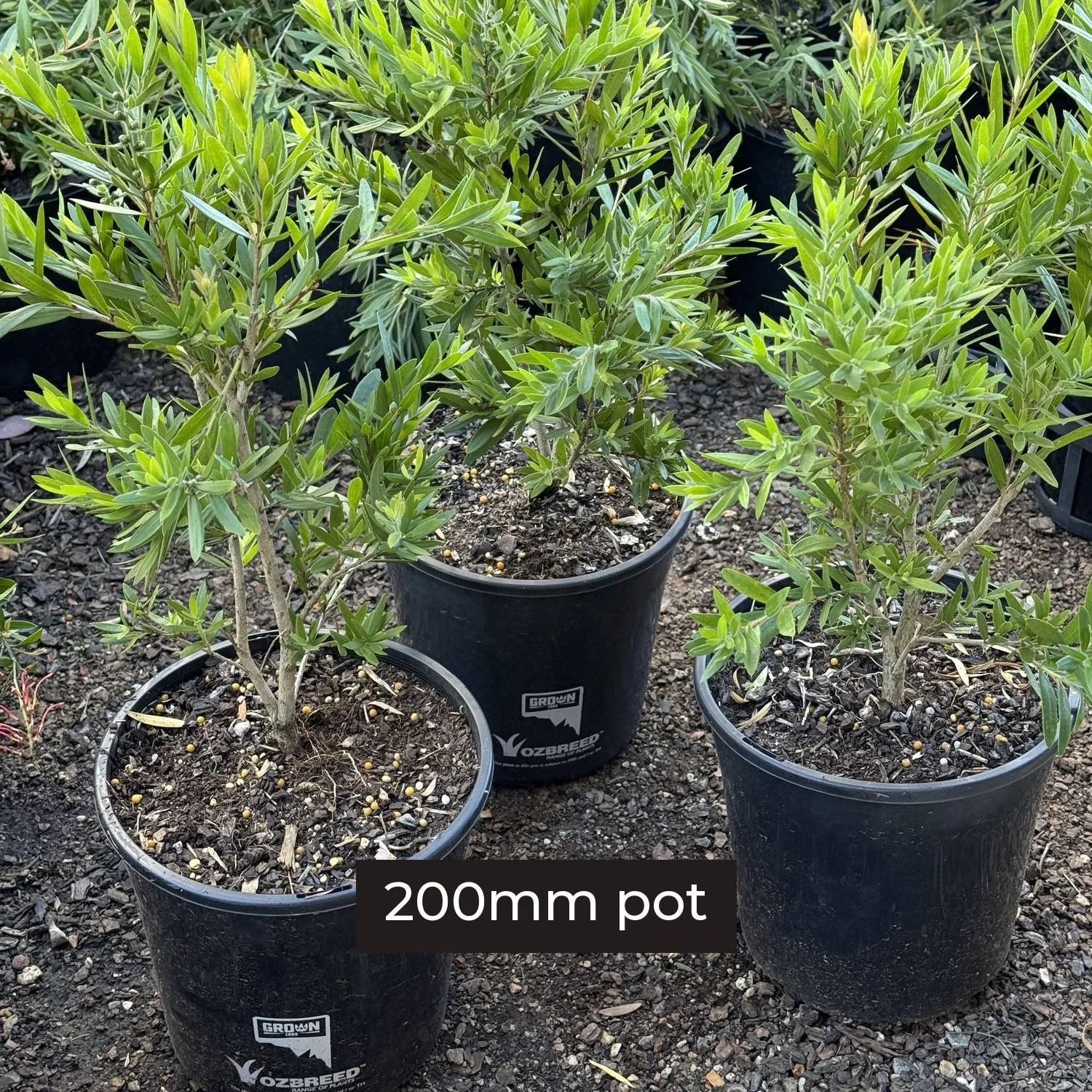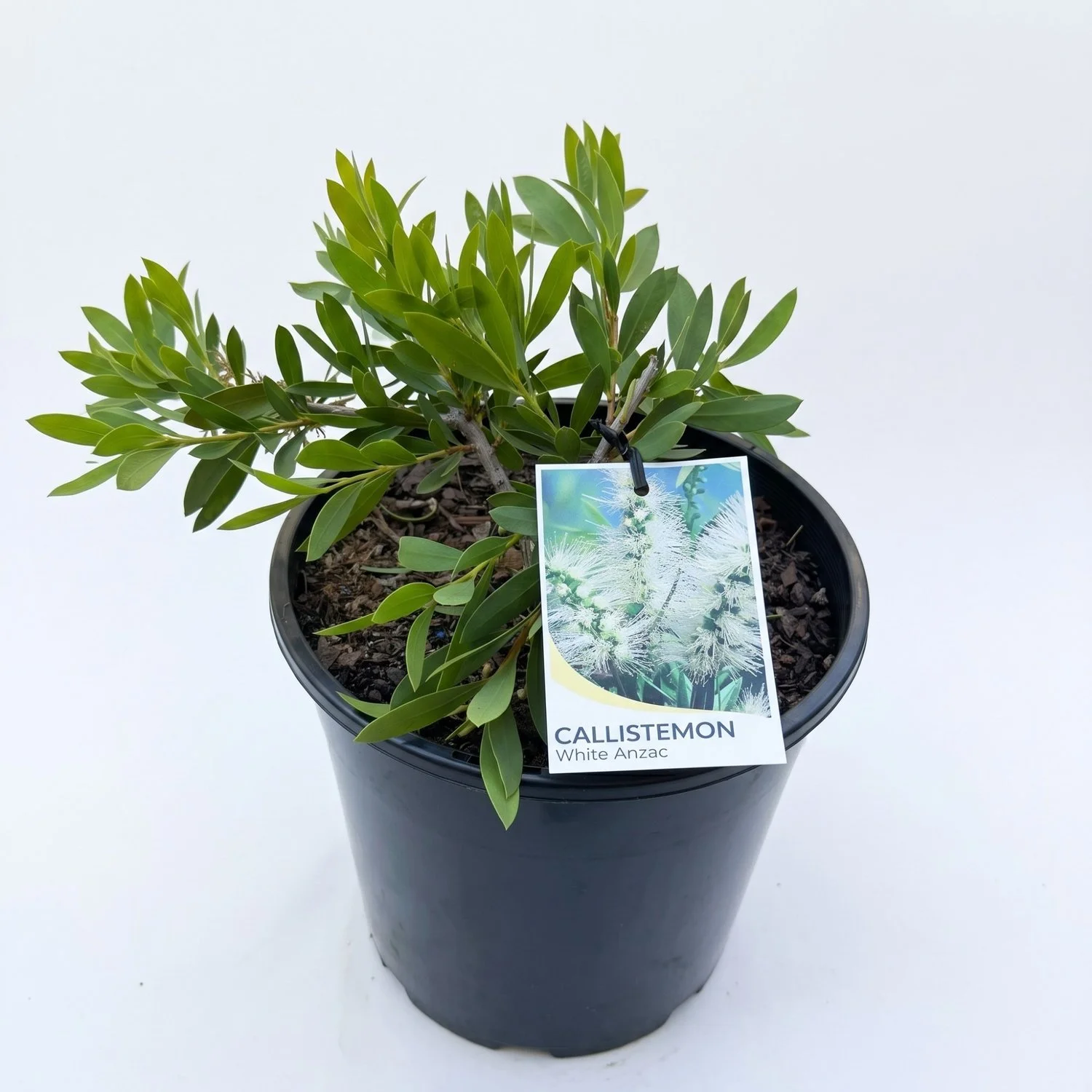
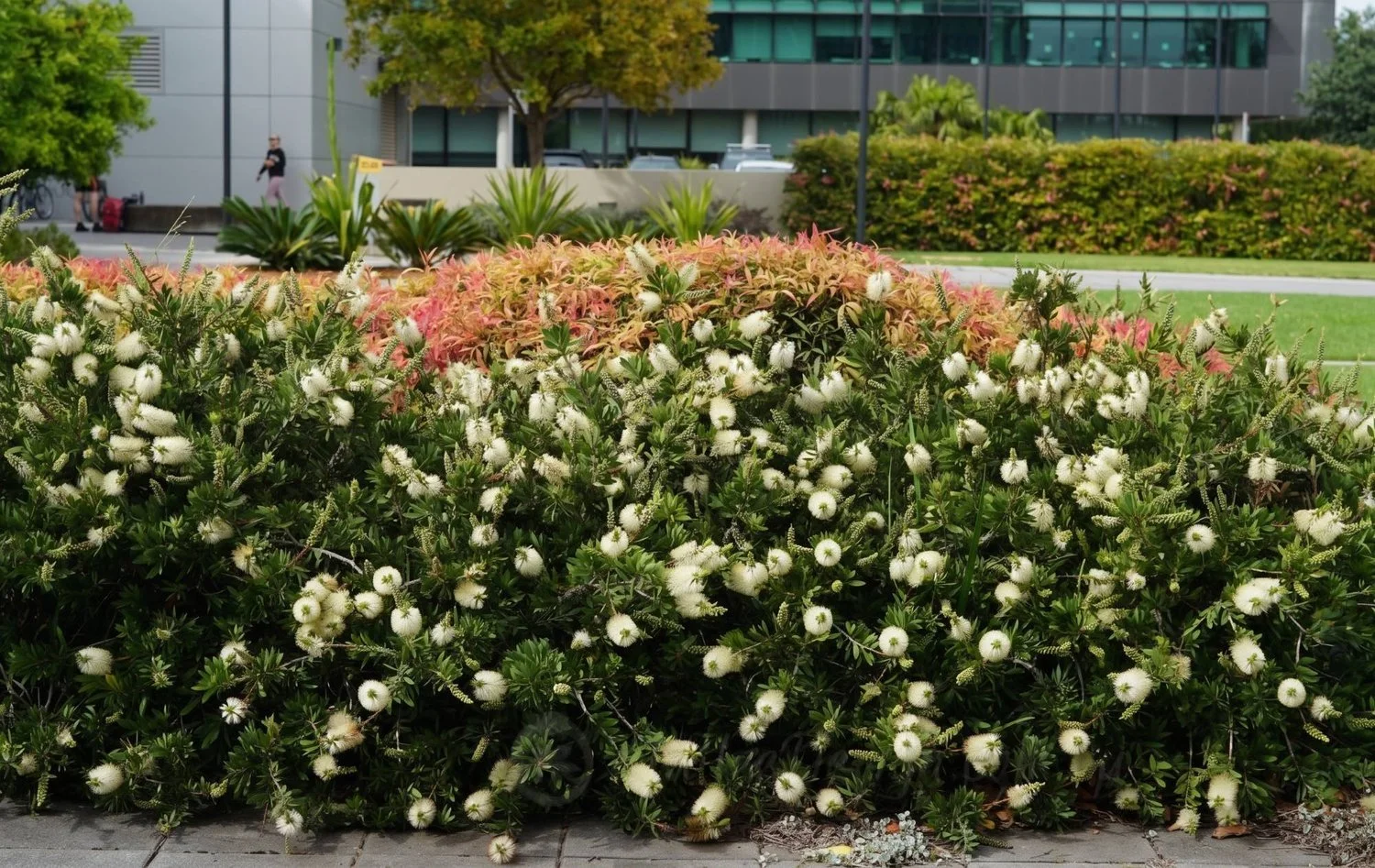
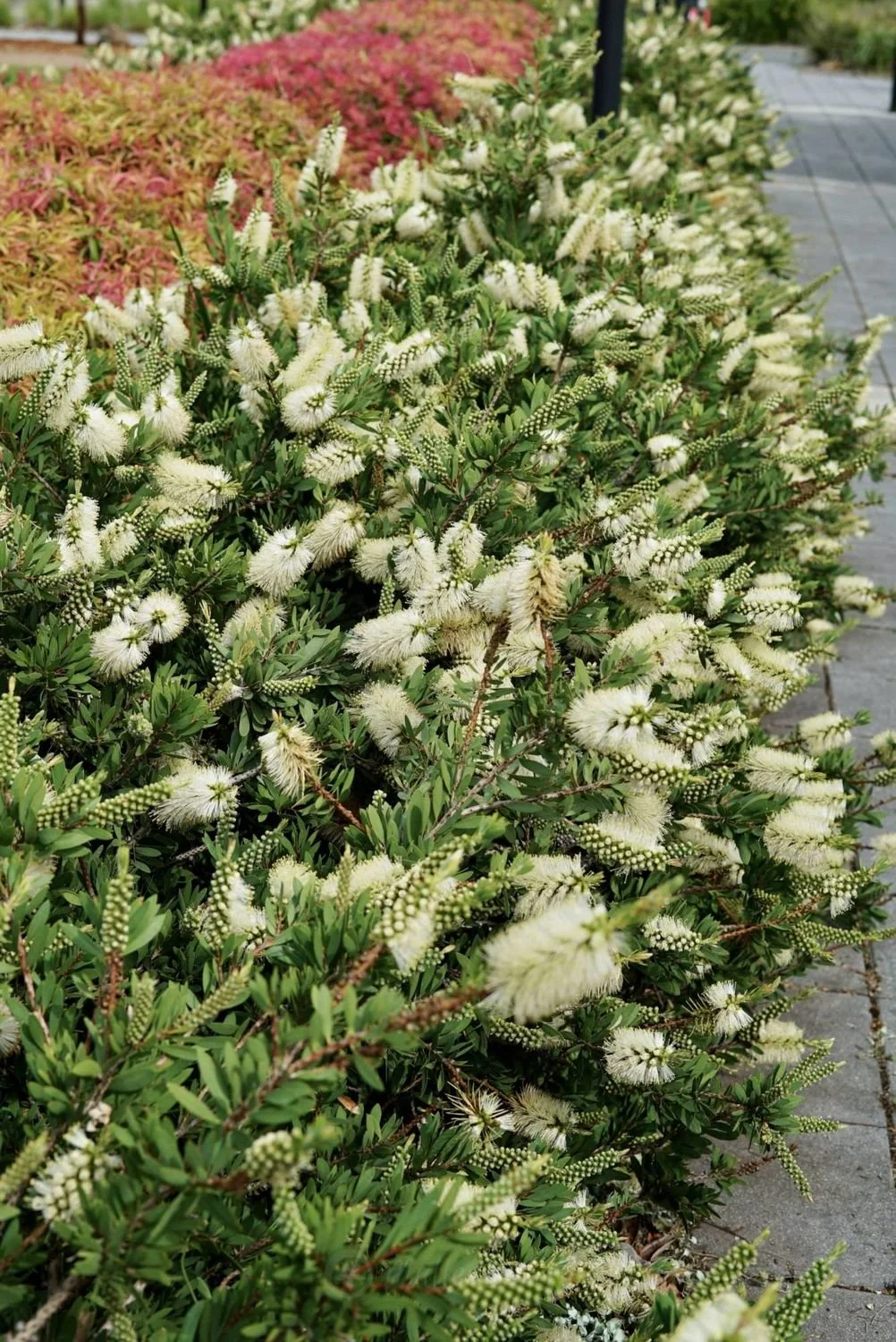
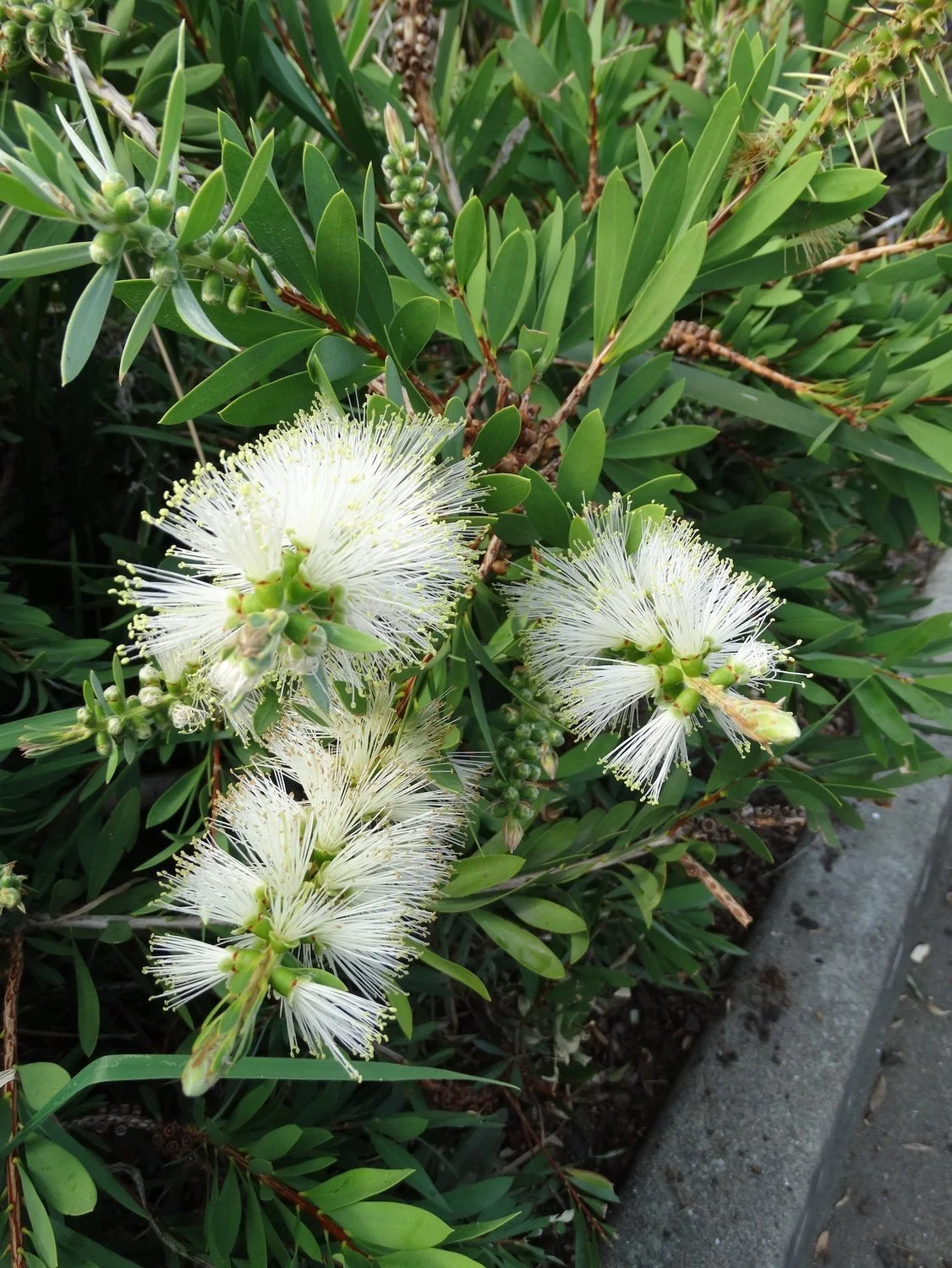
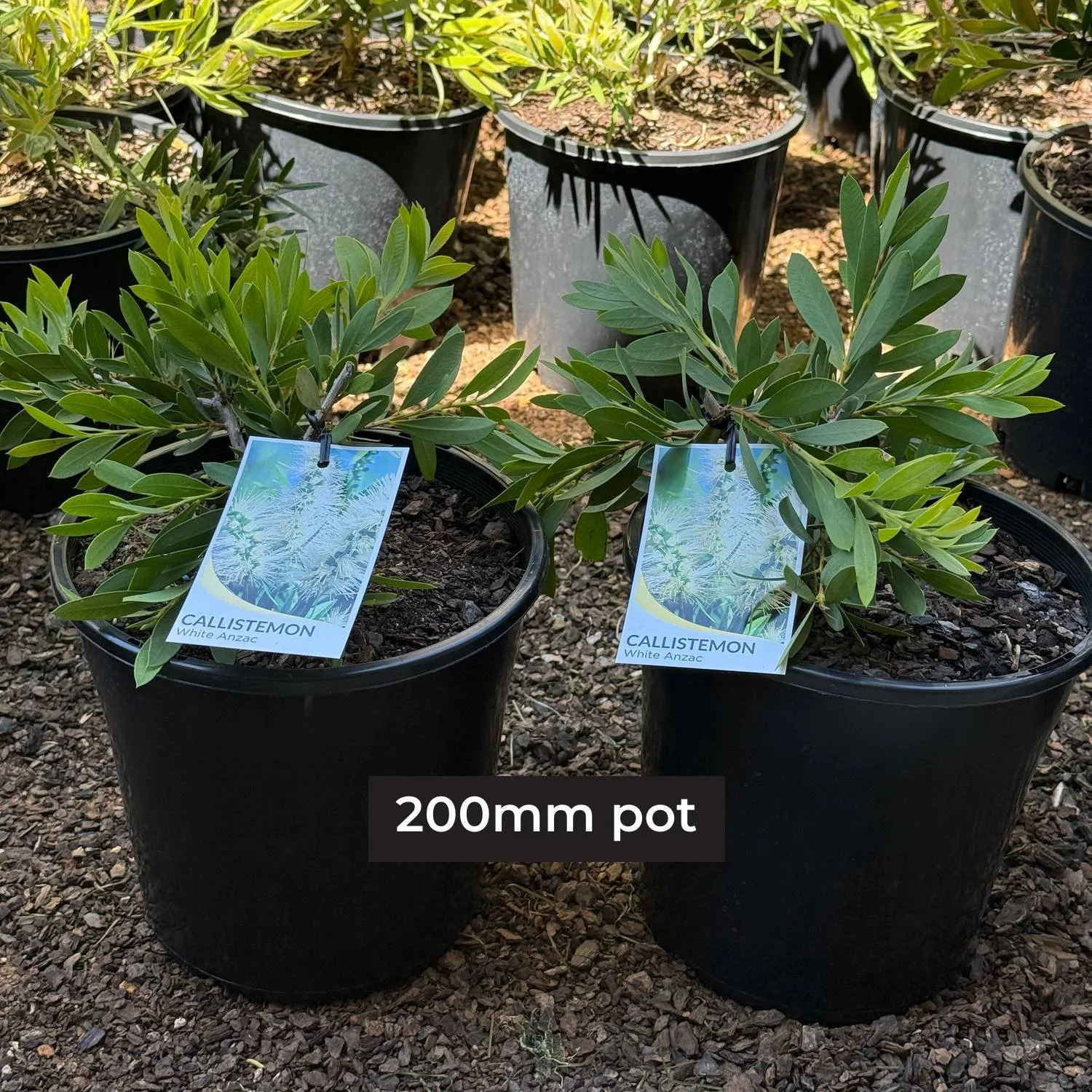
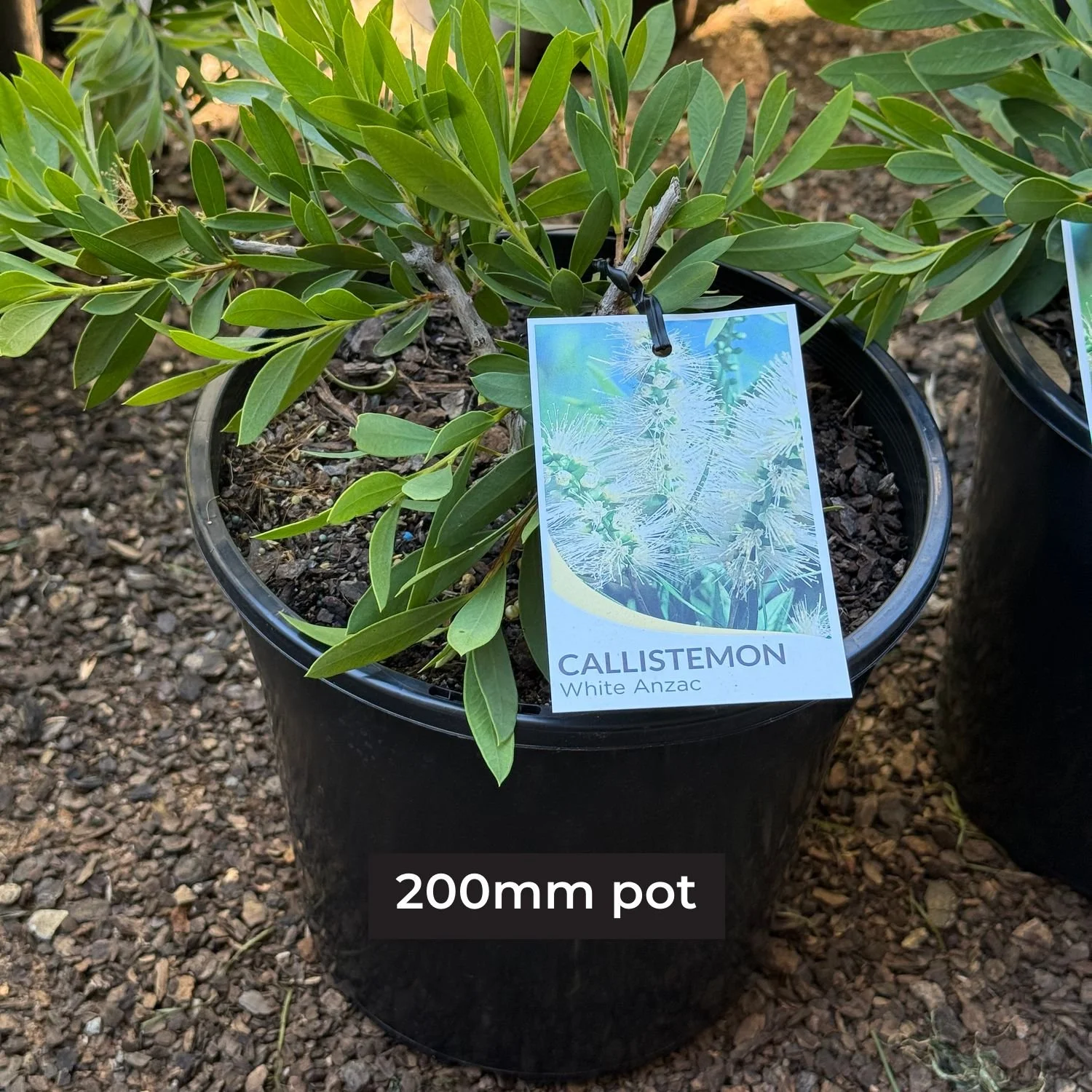
This spreading native bottlebrush is a little different to the usual reds, with clusters of soft white flowers appearing over summer against neat, paired oval leaves. Wider than it is tall, it's a hardy, bird-attracting native that copes well with Canberra's frosts and dry spells once established.
This spreading native bottlebrush is a little different to the usual reds, with clusters of soft white flowers appearing over summer against neat, paired oval leaves. Wider than it is tall, it's a hardy, bird-attracting native that copes well with Canberra's frosts and dry spells once established.
What our customers say

“Wonderful service, beautiful plants and prompt next day delivery!! Will definitely be ordering more in the future.”
“Delivery was prompt. Plants arrived in excellent condition. Was able to get the colours I wanted. Would recommend this business any time.”
“Quality of the plants is great! Delivery was super quick. Comms were excellent. Would highly recommend.”
“Received two beautiful camellias yesterday. Great quality and very fast delivery. Very friendly personal service.”
We're Canberra locals who know plants, and we know what grows well here. Every order is hand-picked and hand-delivered by us, so you get real people who care about getting your plants right.
Alongside garden favourites like hedges, trees and shrubs, we stock a wide range of natives and special varieties that can be hard to track down in Canberra. Each plant is chosen to cope with Canberra's frosts and dry summers. Every plant page lists its mature size, frost tolerance and simple care tips, so you know what will thrive before you buy.
Skip the nursery runs, the trailer hire and the heavy lifting. Shop online and we'll deliver to your door in 2–3 business days, anywhere in Canberra and across Queanbeyan, Googong, Jerrabomberra, Yass and Murrumbateman.